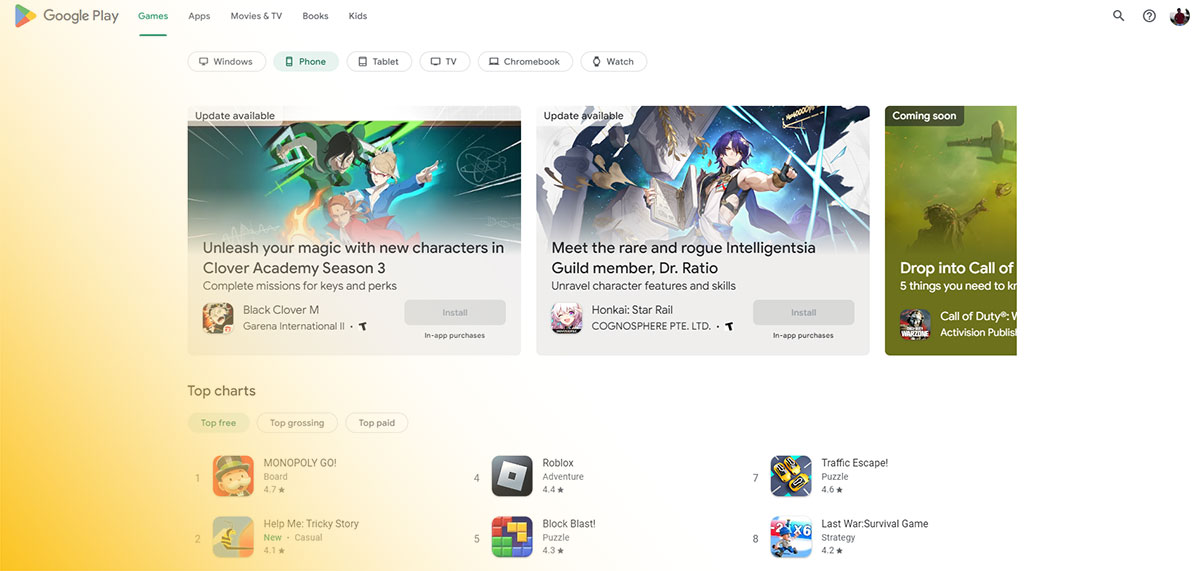
That app you downloaded last week? It probably went through thousands of real users before you ever saw it.
Understanding what is beta testing matters whether you’re building software, managing a product launch, or simply curious about how companies like Google and Microsoft polish their releases.
This pre-release phase catches bugs that internal quality assurance processes miss. Real users, real devices, real conditions.
This guide covers beta testing types, tools like TestFlight and JIRA, duration benchmarks, and how major tech companies run their programs.
You’ll learn exactly how beta testing fits into the software development process and why skipping it often leads to costly post-launch failures.
What is Beta Testing
Beta testing is a pre-release evaluation phase where real users test software in actual conditions before public launch.
It happens after internal testing wraps up. The product goes to external testers who use it like regular customers would.
These beta testers find bugs the development team missed. They report crashes, confusing features, and performance issues that only surface during real-world use.
The feedback collection process during this phase catches problems that controlled test environments simply cannot replicate.
Think of it as the final checkpoint before app deployment. Companies like Google, Microsoft, and Apple run beta programs for nearly every major product release.

How Does Beta Testing Work
The beta testing process follows a structured sequence within the broader software testing lifecycle.
Planning and Recruitment
Teams define testing goals, select beta testers, and establish feedback channels. The software test plan outlines what needs validation.
Distribution
Beta versions ship through platforms like TestFlight, Google Play Console, or direct downloads. Users get access codes or invitations.
Testing Period
Testers use the software normally. They submit bug reports through issue tracking systems like JIRA or Bugzilla.
Crash reports flow back automatically. User behavior analysis tools like Mixpanel or Amplitude capture engagement metrics.
Feedback Analysis
Development teams review all submissions. They prioritize fixes based on severity and frequency.
Defect tracking systems organize everything. Critical bugs get immediate attention.
Iteration
New beta builds address reported issues. The cycle repeats until the product meets acceptance criteria.
What Are the Types of Beta Testing
Different beta testing types serve different purposes. The choice depends on your product, timeline, and risk tolerance.
Closed Beta
Limited to invited participants only. Companies control who gets access.
Works best for sensitive products or early-stage software with known stability issues. Feedback quality tends to be higher since testers feel invested.
Open Beta
Anyone can participate. No invitation required.
Generates massive amounts of user feedback quickly. Steam Early Access games use this model constantly. The tradeoff is noisier data and potential reputation risk if bugs are severe.
Technical Beta
Focuses on performance, software scalability, and infrastructure stress testing.
Testers deliberately push limits. They test edge cases, high-load scenarios, and unusual configurations.
Focused Beta
Targets specific features or user segments. A payments company might beta test only the checkout flow with power users.
Efficient when you know exactly what needs validation.
Who Performs Beta Testing
Multiple roles contribute to successful beta programs.
External Beta Testers
Regular users outside the company. They represent your actual customer base.
Their fresh perspective catches usability issues that internal teams overlook. No technical background required, just willingness to report problems honestly.
QA Teams
A skilled QA engineer coordinates the entire beta program. They design test scenarios, manage tester communications, and synthesize feedback.
The software tester role bridges technical and user perspectives.
Early Adopters
Enthusiasts who actively seek pre-release software. They tolerate bugs in exchange for early access.
Mozilla Firefox Beta and Google Chrome Beta rely heavily on this community. These users often provide the most detailed bug reports.
Product Managers
They interpret beta feedback against business goals. Not every reported issue becomes a priority fix.
What is the Difference Between Alpha Testing and Beta Testing
Both fall under types of software testing, but they serve distinct purposes in the software release cycle.
Environment
Alpha testing happens internally, in controlled lab conditions. Beta testing occurs in real-world environments with actual user hardware and networks.
Testers
Alpha uses internal employees or dedicated QA staff. Beta involves external users with no company affiliation.
Timing
Alpha comes first. It validates core functionality before any external exposure.
Beta follows alpha. The product should already be stable enough for public use.
Goals
Alpha catches fundamental flaws in logic, architecture, and basic functionality.
Beta validates user experience, performance under real conditions, and edge cases that internal testing missed. It also confirms software reliability across diverse environments.
Quick Comparison
- Alpha: Internal testers, controlled environment, finds core bugs
- Beta: External users, real conditions, validates usability and stability
What Software Products Use Beta Testing
Nearly every category of software runs beta programs before public release.
Mobile Applications
Mobile application development teams rely heavily on beta testing. Both iOS development and Android development projects use platform-specific beta distribution tools.
Web Applications
Web apps and progressive web apps beta test across browsers and devices. Cross-browser compatibility issues surface only through real user testing.
Desktop Software
Microsoft Windows Insider Program tests operating system builds with millions of users. Adobe Prerelease Program does the same for creative tools.
Video Games
Steam Early Access pioneered open beta for games. Publishers test server capacity, balance mechanics, and catch game-breaking bugs before full launch.
Enterprise Software
Cloud-based applications run extended beta phases with select enterprise clients. Stakes are higher since downtime affects entire organizations.
What Are Beta Testing Tools
The right tools streamline distribution, feedback collection, and regression testing workflows.
Distribution Platforms
| Platform Attribute | TestFlight | Firebase App Distribution | Microsoft App Center | TestFairy |
|---|---|---|---|---|
| Operating System Support | iOS, tvOS, watchOS only | iOS, Android (cross-platform) | iOS, Android, macOS, Windows (retired March 31, 2025) | iOS, Android, tvOS, web applications |
| Tester Capacity Limit | 10,000 external, 25 internal testers | Unlimited testers | No fixed limit (service discontinued) | Unlimited testers |
| Distribution Approval Process | Requires Apple review (typically 1 day) | No review required (instant distribution) | No review required | No review required (instant distribution) |
| Build Availability Duration | 90 days per build | No specified expiration | Configurable retention policies | Configurable per enterprise requirements |
| Integrated Analytics Features | Basic feedback and crash reports | Firebase Crashlytics integration, analytics suite | Crash reports, analytics, diagnostics (extended until June 30, 2026) | Video session recording, CPU/memory/GPS/network monitoring, crash reports, logs |
| Installation Method | TestFlight app required, no provisioning profiles needed | Direct download via link or Firebase console | Over-the-air (OTA) installation via link | Direct download via link, OTA installation, public beta pages |
| Pricing Structure | Free (Apple Developer Program membership required at $99/year) | Free tier available, usage-based pricing | Previously free (no longer accepting new users) | Free tier, startup and enterprise paid plans |
| Primary Use Context | Production-ready iOS builds, App Store submission workflow | Staging environments, dev API testing, cross-platform teams | Multi-platform enterprise distribution (legacy option) | Enterprise beta testing, detailed session analysis, security-focused deployments with private cloud |
Bug Tracking Systems
JIRA dominates enterprise bug tracking. Bugzilla remains popular for open-source projects.
Trello and Asana work for smaller teams needing lightweight issue management.
Crash Reporting
Crashlytics captures crash reports automatically with stack traces. Instabug lets users annotate screenshots and record screen sessions.
User Feedback
SurveyMonkey and Typeform collect structured feedback. Hotjar records user sessions to see exactly where people struggle.
Analytics
Mixpanel and Amplitude track user engagement metrics during beta. Session duration, feature adoption, and drop-off points reveal usability issues.
How Long Does Beta Testing Take
Duration varies based on product complexity and risk tolerance.
Typical Timelines
- Mobile apps: 2-6 weeks
- Web applications: 2-4 weeks
- Desktop software: 4-12 weeks
- Video games: 1-6 months
- Enterprise software: 3-6 months
Factors That Extend Duration
Major bug discoveries reset the clock. Each new beta build needs fresh validation.
Regulatory requirements in healthcare and finance demand longer testing cycles with documented software validation.
When to Stop
Beta ends when critical bugs reach zero, crash rates stabilize, and user satisfaction scores meet targets. The product becomes a release candidate.
What Are Beta Testing Metrics
Track these numbers to measure beta success objectively.
Stability Metrics
- Crash rate: Crashes per 1,000 sessions
- ANR rate: Application Not Responding events (Android)
- Error frequency: Non-fatal errors logged
Quality Metrics
- Bug count: Total issues reported
- Bug severity distribution: Critical vs minor issues
- Fix rate: Bugs resolved per testing cycle
Engagement Metrics
Session duration shows if users stay engaged. Feature adoption rates reveal which functionality resonates.
Drop-off points indicate usability problems requiring UI/UX design improvements.
Feedback Metrics
Net Promoter Score (NPS) predicts launch reception. Response rate shows tester engagement quality.
What Companies Are Known for Beta Testing Programs
These organizations run some of the largest beta programs globally.
Apple
TestFlight handles all iOS, iPadOS, and macOS beta distribution. Public betas for major OS releases attract millions of testers annually.
Chrome Beta, Android Beta, and early access programs for Google Workspace. The company runs perpetual betas for many products.
Microsoft
Windows Insider Program has over 10 million participants. Xbox Insider tests game updates and console features.
Meta
Facebook and Instagram beta test features through controlled rollouts to percentage-based user groups.
Gaming Publishers
Blizzard, Electronic Arts, and Riot Games run extensive multiplayer betas. Server stress testing requires massive participant pools.
What Are Common Beta Testing Challenges
Every beta program faces predictable obstacles.
Recruitment Issues
Finding enough qualified testers takes effort. The beta user pool must represent your actual target audience demographics.
Feedback Quality
Vague reports like “it crashed” provide no actionable information. Training testers on proper bug reporting improves data quality.
Version Control
Multiple beta builds circulating simultaneously creates confusion. Source control management and clear semantic versioning prevent chaos.
Security Concerns
Pre-release code leaks damage competitive advantage. NDAs and access controls mitigate risk but add friction.
Tester Fatigue
Long beta phases cause drop-off. Testers lose interest if they report bugs that never get fixed.
Scope Creep
Beta feedback often requests new features rather than reporting bugs. Teams must distinguish between defects and enhancement requests.
How to Become a Beta Tester

Multiple paths exist for joining beta programs.
Official Programs
- Apple Beta Software Program: beta.apple.com
- Google Play Beta: Opt-in through Play Store app listings
- Windows Insider: insider.windows.com
- Steam: Right-click games, select Properties, choose Beta tab
Dedicated Platforms
BetaTesting.com and UserTesting connect testers with companies. Centercode manages enterprise beta communities.
These platforms often pay testers or provide free product access.
Direct Sign-ups
Many companies list beta opportunities on their websites. Check product pages for “early access” or “beta program” links.
What Makes a Good Beta Tester
- Writes detailed, reproducible bug reports
- Tests systematically rather than randomly
- Communicates clearly without technical jargon
- Responds promptly to follow-up questions
- Tolerates instability without complaining publicly
FAQ on Beta Testing
What is the main purpose of beta testing?
Beta testing validates software with real users in actual environments before public release. It catches bugs, usability issues, and performance problems that internal testing misses. The goal is ensuring product readiness and gathering feedback for final improvements.
How is beta testing different from QA testing?
QA testing happens internally with controlled test scenarios. Beta testing uses external users in unpredictable real-world conditions. QA finds technical defects; beta testing reveals user experience issues, compatibility problems, and edge cases across diverse devices and networks.
Who can participate in beta testing?
Anyone meeting program criteria. Closed betas require invitations. Open betas accept all volunteers. Platforms like BetaTesting.com and UserTesting connect testers with companies. Major programs include Apple Beta Software Program, Windows Insider, and Google Play beta tracks.
How long does a typical beta test last?
Mobile apps typically run 2-6 weeks. Desktop software needs 4-12 weeks. Enterprise applications and video games often require 3-6 months. Duration depends on product complexity, bug severity, and whether software compliance requirements apply.
What happens after beta testing ends?
Teams analyze all feedback, fix remaining critical bugs, and prepare the final build. The product moves through continuous deployment pipelines to production. Post-deployment maintenance handles issues discovered after public launch.
Can beta testing replace other forms of testing?
No. Beta testing complements unit testing, integration testing, and alpha testing. Each phase catches different defect types. Skipping earlier stages means beta testers encounter fundamental bugs that should have been fixed internally.
What tools do companies use for beta testing?
Distribution tools include TestFlight, Google Play Console, and Firebase App Distribution. Bug tracking uses JIRA or Bugzilla. Crashlytics captures crash reports. Mixpanel and Amplitude track user engagement metrics throughout the beta phase.
Is beta software safe to use?
Beta versions contain known bugs and stability issues. Data loss, crashes, and security vulnerabilities are possible. Never install beta software on primary devices or production systems. Always back up data before participating in any beta program.
Do beta testers get paid?
Rarely for public betas. Some platforms like UserTesting pay for structured feedback sessions. Most testers receive early access, free product licenses, or recognition. Professional beta testing through Centercode or enterprise programs sometimes offers compensation.
What makes a successful beta testing program?
Clear goals, diverse tester recruitment, efficient feedback channels, and rapid iteration cycles. Success requires acting on feedback quickly. Programs fail when teams collect data but never fix reported issues or communicate progress to participants.
Conclusion
Understanding what beta testing is gives you a clearer picture of how successful software reaches users without critical flaws.
This pre-release phase bridges internal development and public launch. Real testers using real devices catch what automated tests and QA teams cannot.
Whether you’re running a beta program or joining one, the fundamentals remain constant: recruit diverse testers, collect structured feedback, iterate quickly, and track metrics that matter.
Tools like Crashlytics and Hotjar make feedback collection seamless. Platforms like TestFlight and Google Play Console handle distribution at scale.
Beta testing fits within broader software development lifecycle models alongside continuous integration and software verification.
Skip it, and you risk launching buggy software. Do it right, and your product ships with confidence.

- MongoDB Cheat Sheet - October 20, 2026
- Adding AI Video Generation to a Software Product: Architecture, Cost Guardrails and QA - October 20, 2026
- Show Hidden Characters, Spaces, and Line Endings in Notepad++ - October 19, 2026