What Is a Feasibility Study in Software Projects?

Summarize this article with:

Every software project starts with ambitious ideas, but how do you know if they’re actually achievable? Understanding what is a feasibility study in software projects can save your organization from costly failures and resource waste.

Software project failures cost companies billions annually. Most disasters stem from skipping proper viability assessment during project planning phases.

A feasibility study serves as your project’s reality check. It evaluates technical capabilities, budget constraints, and business requirements before development begins.

This guide explains feasibility analysis components, evaluation techniques, and implementation best practices. You’ll learn to:

  • Assess technical feasibility and infrastructure requirements
  • Evaluate economic viability through cost-benefit analysis
  • Identify operational risks and stakeholder impacts
  • Apply proven assessment methodologies and tools

Master these project viability principles to make informed investment decisions and increase software project success rates.

What Is a Feasibility Study in Software Projects?

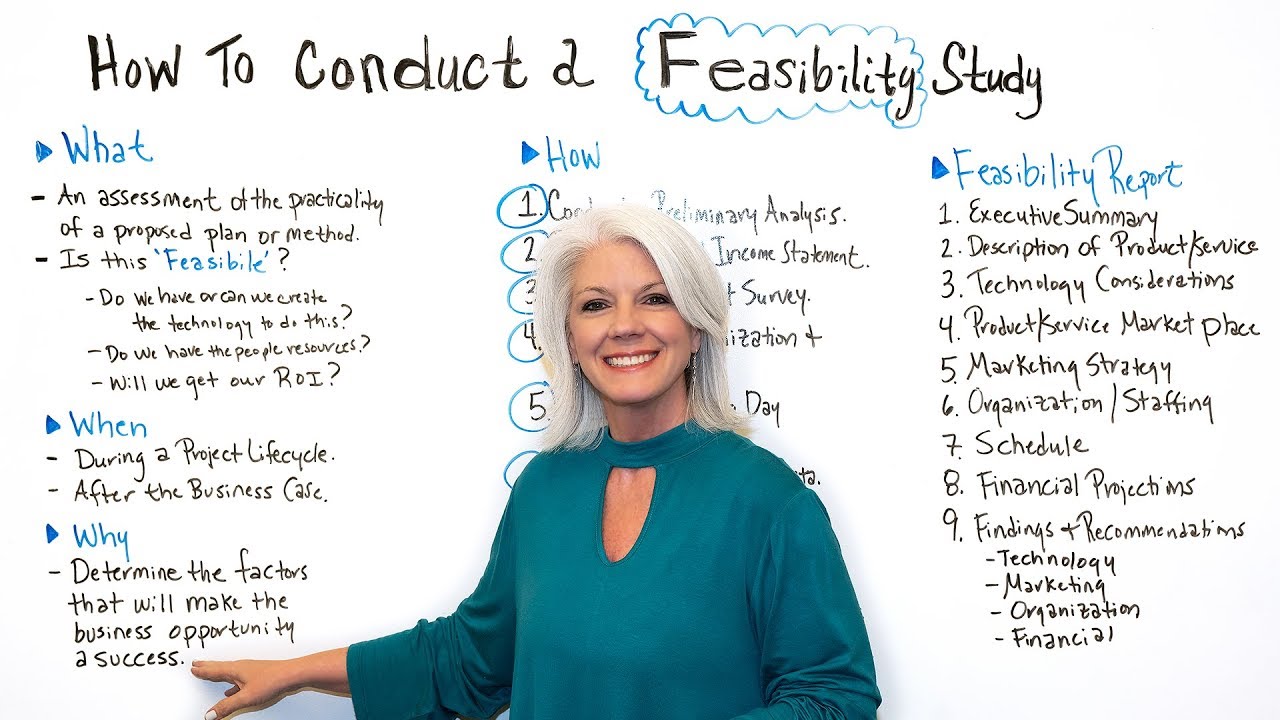
A feasibility study in software projects assesses whether a proposed system is practical and viable. It evaluates technical, economic, legal, operational, and schedule factors to determine if the project should proceed. This early analysis helps avoid costly failures by ensuring the project is achievable and aligns with business goals.

Types of Feasibility Analysis in Software Projects

Feasibility TypePrimary FocusKey Assessment AreasRisk Indicators
Technical Feasibility
System implementation capabilities and technological requirements assessmentHardware specifications, software compatibility, network infrastructure, development team expertise, technology stack maturityInsufficient technical expertise, outdated infrastructure, incompatible technology stacks, scalability limitations
Economic Feasibility
Financial viability through cost-benefit analysis and return on investment calculationsDevelopment costs, operational expenses, maintenance budgets, revenue projections, payback period, NPV analysisBudget overruns, inadequate funding sources, poor ROI projections, market volatility, cost underestimation
Operational Feasibility
Organizational readiness and user acceptance for system integration and workflow changesUser training requirements, organizational culture adaptability, business process integration, stakeholder buy-in, change managementUser resistance, inadequate training programs, cultural misalignment, poor stakeholder engagement, workflow disruption
Legal & Regulatory Feasibility
Compliance verification with applicable laws, regulations, and industry standardsData privacy regulations, intellectual property rights, industry compliance standards, licensing requirements, contractual obligationsRegulatory non-compliance, intellectual property violations, data breach liabilities, licensing restrictions, legal disputes
Schedule Feasibility
Timeline viability assessment considering project constraints and delivery expectationsProject timeline estimation, resource availability, milestone dependencies, critical path analysis, buffer time allocationUnrealistic deadlines, resource conflicts, dependency bottlenecks, scope creep, inadequate contingency planning

Technical Feasibility

Technology Stack Assessment and Compatibility

Technical feasibility forms the backbone of any software project evaluation. It examines whether your development team can actually build what stakeholders envision.

The assessment starts with evaluating existing infrastructure capabilities. Can your current systems handle the proposed solution? Modern software development requires careful consideration of technology compatibility.

Infrastructure Requirements and Constraints

Infrastructure analysis goes beyond simple hardware needs. Cloud computing resources, database systems, and network capabilities all factor into the equation.

Performance benchmarks must align with expected user loads. Security protocols need integration with existing frameworks. The technical architecture should support future scalability requirements.

Development Team Skills and Capabilities

Team expertise directly impacts project viability. Skills assessment reveals gaps that could derail timelines.

Do your developers understand the chosen technology stack? Software development roles vary significantly in complexity. Missing capabilities require training or hiring decisions.

Integration with Existing Systems

Legacy system integration presents unique challenges. API integration complexities can multiply project costs unexpectedly.

Data migration strategies need evaluation. System downtime during transitions affects business operations. Compatibility issues between old and new systems require mitigation plans.

Economic Feasibility

Cost-Benefit Analysis and ROI Calculations

cost-analysis What Is a Feasibility Study in Software Projects?

Economic viability determines whether project benefits justify the investment. Financial projections must account for both direct and indirect costs.

Return on investment calculations help stakeholders make informed decisions. Budget constraints often shape project scope and timeline expectations.

Budget Requirements and Funding Sources

Comprehensive budget estimation includes development, testing, and deployment phases. Post-deployment maintenance costs frequently exceed initial projections.

Funding availability affects project feasibility. Alternative financing options might influence implementation strategies. Resource allocation decisions impact quality outcomes.

Resource Allocation and Timeline Estimates

Resource planning extends beyond financial considerations. Human resource requirements, vendor dependencies, and third-party services all need evaluation.

Timeline estimation accuracy depends on realistic resource allocation. Milestone planning helps track progress against budget constraints.

Ongoing Maintenance and Operational Costs

Long-term operational expenses often surprise project sponsors. Server hosting, software licenses, and support staff represent recurring investments.

Maintenance requirements vary by technology choice. Cloud-based solutions offer different cost structures than on-premise deployments. Software scalability affects future expense projections.

Operational Feasibility

Business Process Impact and Workflow Changes

Operational assessment examines how new software affects daily business operations. Workflow disruptions can undermine project success despite technical excellence.

Process reengineering might be necessary for optimal results. Stakeholder resistance to change presents real implementation risks. Change management strategies become critical success factors.

User Adoption and Training Requirements

User acceptance determines software effectiveness. Training programs require time and budget allocation. User experience design influences adoption rates significantly.

Complex interfaces slow user adoption. Simple, intuitive designs reduce training overhead. User feedback during development phases improves final outcomes.

Support and Maintenance Capabilities

Support structure evaluation prevents post-launch problems. Internal IT capabilities might need expansion. External vendor relationships require management attention.

Help desk resources need sizing for expected user volumes. Documentation quality affects support ticket volumes. Technical documentation becomes essential for ongoing operations.

Organizational Readiness for Change

Cultural resistance can kill technically sound projects. Leadership commitment signals organizational readiness. Change management processes smooth transition periods.

Communication strategies help build user buy-in. Pilot programs demonstrate value before full deployment. Success metrics help measure adoption progress.

Legal and Regulatory Feasibility

Compliance Requirements and Industry Standards

Regulatory compliance adds complexity to software projects. Industry-specific requirements shape system design decisions.

Data protection regulations influence architecture choices. Software compliance requirements vary by jurisdiction and sector. Audit capabilities need built-in support.

Data Privacy and Security Regulations

Privacy laws continue evolving globally. Security protocols must meet current and anticipated requirements. Data encryption standards affect performance characteristics.

User consent mechanisms need legal review. Cross-border data transfers require special consideration. Compliance failures carry significant financial penalties.

Intellectual Property Considerations

Patent landscapes affect technology choices. Open source licensing creates obligations and opportunities. Intellectual property clearance prevents future legal issues.

Third-party component licensing needs careful evaluation. Custom development creates ownership advantages. Vendor relationships include IP transfer terms.

Contractual and Licensing Obligations

Software licensing costs impact project economics. Vendor agreements contain usage restrictions and obligations. Enterprise licensing often provides better terms than individual licenses.

Support agreement terms affect operational capabilities. License compliance requires ongoing monitoring. Audit rights in vendor contracts create obligations.

Schedule Feasibility

Timeline Constraints and Delivery Deadlines

Schedule assessment balances scope against available time. Market windows might dictate inflexible deadlines. Regulatory requirements often create non-negotiable dates.

Resource availability affects timeline achievability. Critical path analysis identifies potential bottlenecks. Buffer time allocation helps manage unexpected delays.

Resource Availability and Allocation

Development team availability varies throughout project lifecycles. Resource conflicts between projects require resolution. Skill-specific bottlenecks often determine overall timelines.

Vendor resource allocation needs advance planning. Peak demand periods affect resource costs. Flexible resource strategies provide scheduling advantages.

Dependencies and Critical Path Analysis

External dependencies create schedule risks. Third-party integrations follow external timelines. Critical path identification helps focus management attention.

Dependency mapping reveals potential delay sources. Parallel development streams can accelerate delivery. Risk mitigation strategies protect critical milestones.

Risk Factors Affecting Project Duration

Schedule risks multiply in complex projects. Technical unknowns create estimation challenges. Changing requirements extend development cycles predictably.

Team turnover disrupts project continuity. Learning curves for new technologies add time overhead. Quality issues can force schedule extensions.

Components of a Software Feasibility Study

Executive Summary

Project Overview and Business Rationale

The executive summary provides decision-makers with essential project information. Clear business justification helps secure stakeholder support.

Problem statements should connect to business objectives. Solution benefits need quantification where possible. Strategic alignment with organizational goals strengthens project cases.

Key Findings and Recommendations

Summary findings highlight critical success factors and major risks. Recommendation clarity helps stakeholders make informed decisions.

Alternative approaches might offer better value propositions. Risk mitigation strategies need executive attention. Resource requirements should align with organizational capabilities.

Go/No-Go Decision Framework

Decision criteria should be objective and measurable. Success probability assessments guide investment decisions. Risk tolerance levels vary among stakeholders.

Approval thresholds need stakeholder agreement. Conditional approvals might require specific risk mitigation. Alternative funding scenarios could enable modified approaches.

Project Scope and Requirements

Functional Requirements Definition

Functional requirements specify what the system must accomplish. Requirements engineering processes ensure completeness and clarity.

User story development helps capture business needs. Acceptance criteria provide testing standards. Requirement traceability links features to business objectives.

Non-Functional Requirements and Constraints

Performance, security, and usability requirements shape system architecture. Functional and non-functional requirements serve different purposes in system design.

Scalability requirements affect technology choices. Security standards influence development approaches. Usability expectations impact UI/UX design decisions.

Success Criteria and Acceptance Standards

Measurable success criteria enable objective project evaluation. Performance metrics should align with business objectives. User satisfaction measures complement technical metrics.

Quality standards need stakeholder agreement. Testing criteria should verify requirement satisfaction. Business value metrics demonstrate project success.

Assumptions and Limitations

Project assumptions require documentation and validation. Technology assumptions might prove incorrect during development. Resource availability assumptions need regular review.

Scope limitations help manage stakeholder expectations. Budget constraints affect feature prioritization. Timeline limitations influence development approaches.

Technical Analysis

Architecture and Design Considerations

System architecture decisions affect all other project aspects. Software architect expertise becomes crucial for complex projects.

Modular design approaches provide flexibility advantages. Integration patterns affect system maintainability. Technology selection impacts long-term support requirements.

Technology Evaluation and Selection

Technology choices create long-term consequences. Vendor evaluation includes support, licensing, and roadmap considerations. Open source alternatives offer different risk profiles.

Software development methodologies influence technology requirements. Development tool selection affects team productivity. Testing framework choices impact quality assurance processes.

Performance and Scalability Requirements

Performance benchmarks must reflect real-world usage patterns. Load testing reveals system limitations. Scalability planning prevents future bottlenecks.

Database performance affects overall system responsiveness. Network bandwidth requirements vary by user activity. Caching strategies improve perceived performance.

Security and Data Protection Measures

Security architecture requires expert design. Data protection measures must meet regulatory requirements. Authentication and authorization systems need robust implementation.

Encryption requirements affect system performance. Audit trail capabilities support compliance needs. Vulnerability management processes prevent security incidents.

Resource Assessment

Human Resource Requirements and Skills

Development team composition affects project success probability. Skill gaps require training or hiring decisions. Software development roles include specialized expertise areas.

QA engineer involvement ensures quality outcomes. Project management capabilities coordinate team efforts. Domain expertise accelerates requirement understanding.

Hardware and Software Infrastructure Needs

Infrastructure requirements extend beyond development environments. Production environment specifications affect ongoing costs. Development tool licensing represents recurring expenses.

Testing environment setup requires separate resource allocation. Backup and disaster recovery systems need planning. Monitoring and logging capabilities support operations.

Third-Party Services and Vendor Dependencies

Vendor relationships create ongoing obligations and risks. Service level agreements define performance expectations. Integration complexity varies by vendor API quality.

Cloud service providers offer scalability advantages. Third-party component updates might require system modifications. Vendor support quality affects system reliability.

Training and Development Requirements

Skill development programs ensure team readiness. Technology training might require significant time investment. Process training helps teams adopt new methodologies.

Knowledge transfer processes preserve institutional knowledge. Documentation standards support training efforts. Mentoring programs accelerate skill development.

Risk Analysis

Technical Risks and Mitigation Strategies

Technical unknowns create project uncertainties. Software prototyping can validate technical approaches. Proof of concept development reduces implementation risks.

Integration complexity might exceed initial estimates. Performance issues could require architecture changes. Security vulnerabilities need proactive mitigation.

Business and Market Risks

Market conditions might change during development. Competitive threats could affect project value. Regulatory changes might require design modifications.

User adoption rates affect project success. Business priority shifts could impact resource allocation. Economic conditions influence budget availability.

Resource and Timeline Risks

Resource availability fluctuates throughout project lifecycles. Key personnel departure creates knowledge gaps. Vendor delays affect project schedules.

Scope creep typically extends timelines. Quality issues might force delivery delays. External dependencies create schedule uncertainties.

Contingency Planning Approaches

Risk mitigation strategies reduce negative impact probability. Contingency budgets help manage unexpected costs. Alternative implementation approaches provide backup options.

Escalation procedures help resolve issues quickly. Communication plans keep stakeholders informed. Recovery procedures minimize disruption impacts.

Cost Analysis

Development Costs Breakdown

Development expenses include salary, benefits, and overhead costs. Tool and software licensing represents additional overhead. Infrastructure costs vary by deployment approach.

Third-party component licensing affects ongoing expenses. Consultant fees might supplement internal capabilities. Quality assurance testing requires dedicated resources.

Implementation and Deployment Expenses

Deployment costs often exceed development estimates. Data migration requires specialized expertise and time. System integration testing validates deployment success.

Training program development and delivery costs need budgeting. User support during transition periods requires staffing. Parallel system operation increases temporary costs.

Training and Change Management Costs

Change management programs require dedicated funding. User training materials need development and maintenance. Support staff training ensures effective help desk operations.

Communication campaigns build user awareness and buy-in. Process documentation updates support organizational changes. Success measurement activities validate change effectiveness.

Long-Term Operational and Maintenance Costs

Operational expenses continue throughout system lifecycle. Post-deployment maintenance includes bug fixes and enhancements. Infrastructure costs scale with usage growth.

License renewals represent predictable annual expenses. Support staff salaries provide ongoing operational capabilities. System upgrade cycles require periodic investment.

Conducting a Feasibility Study Process

maxresdefault What Is a Feasibility Study in Software Projects?

Planning and Preparation Phase

Study Scope Definition and Objectives

Project scope boundaries prevent analysis paralysis and resource waste. Clear objectives guide research activities toward actionable outcomes.

Define what you’re evaluating and why. Scope creep during feasibility analysis delays critical decisions. Well-defined parameters keep teams focused on essential questions.

Team Formation and Role Assignments

Cross-functional teams bring diverse perspectives to feasibility analysis. Technical experts, business analysts, and financial specialists each contribute unique insights.

Project sponsors provide strategic context and decision authority. Software development roles vary based on project complexity. Team composition affects analysis quality and stakeholder buy-in.

Timeline and Milestone Establishment

Milestone planning creates accountability and progress checkpoints. Feasibility studies shouldn’t drag on indefinitely while market conditions change.

Decision deadlines often drive analysis timelines. Resource availability affects milestone achievability. Buffer time accommodates unexpected complexity discoveries.

Data Collection Strategy Development

Information gathering strategies determine analysis depth and accuracy. Multiple data sources provide validation and reduce bias risks.

Primary research offers current insights but requires more time. Secondary research provides historical context efficiently. Stakeholder interviews reveal operational realities that documentation misses.

Information Gathering Methods

Stakeholder Interviews and Surveys

Stakeholder input reveals requirements that formal documentation often overlooks. End users understand workflow impacts better than system administrators.

Interview techniques vary by stakeholder type and availability. Survey tools enable broader participation with less scheduling complexity. Mixed methods capture both quantitative data and qualitative insights.

Executive sponsors focus on strategic alignment and budget implications. Technical teams provide implementation reality checks. QA engineers highlight quality assurance challenges early.

Technical Research and Proof of Concepts

Proof of concept development validates technical assumptions before full commitment. Software prototyping reveals integration challenges and performance characteristics.

Technology evaluation includes vendor discussions and pilot implementations. Performance benchmarks require realistic test environments. Security assessments need expert evaluation beyond basic compliance checks.

Market Analysis and Competitive Research

Market research validates business case assumptions and competitive positioning. Industry trends affect technology choices and user expectations.

Competitive analysis reveals feature gaps and differentiation opportunities. Customer research validates problem definitions and solution approaches. Market timing affects project success probability significantly.

Documentation Review and System Audits

System audits provide baseline understanding of current capabilities and constraints. Technical documentation quality affects integration complexity estimates.

Legacy system documentation often contains outdated information. Software configuration management practices influence change complexity. Current system performance provides scalability benchmarks.

Analysis and Evaluation Techniques

SWOT Analysis for Project Assessment

SWOT methodology organizes internal strengths and weaknesses against external opportunities and threats. Structured analysis prevents oversight of critical factors.

Strengths include existing team capabilities and infrastructure assets. Weaknesses might involve skill gaps or technical debt. Opportunities emerge from market conditions or regulatory changes. Threats include competitive pressures and resource constraints.

Cost-Benefit Analysis Methodologies

Financial modeling quantifies project value propositions with measurable metrics. Return on investment calculations guide funding priorities and resource allocation decisions.

Direct costs include development, testing, and deployment expenses. Indirect costs encompass training, change management, and opportunity costs. Benefits range from cost savings to revenue generation and risk mitigation.

Payback period calculations help prioritize competing projects. Net present value analysis accounts for time value of money in long-term projects.

Risk Assessment Frameworks

risk-assessment-matrix What Is a Feasibility Study in Software Projects?

Risk evaluation identifies potential problems before they derail projects. Risk assessment matrix tools organize threats by probability and impact levels.

Technical risks include integration failures and performance bottlenecks. Business risks encompass market changes and resource availability. Operational risks involve user adoption and support capabilities.

Mitigation strategies reduce risk impact or probability. Contingency plans provide backup approaches when primary strategies fail.

Decision Matrix and Scoring Models

Scoring models enable objective comparison of alternatives against weighted criteria. Decision matrices prevent emotional bias from overriding analytical evidence.

Criteria weights reflect organizational priorities and strategic objectives. Scoring scales need consistent interpretation across evaluators. Sensitivity analysis tests decision robustness against assumption changes.

Alternative scenarios help stakeholders understand tradeoff implications. What-if analysis reveals decision sensitivity to changing conditions.

Documentation and Reporting

Study Structure and Content Organization

Report structure follows logical decision-making flow from problem definition to recommendations. Executive summary provides key findings for time-constrained readers.

Technical sections support detailed analysis for implementation teams. Financial analysis substantiates business case claims. Risk assessment informs contingency planning needs.

Appendices contain supporting data without cluttering main narrative. Reference sections enable follow-up research and validation efforts.

Visual Aids and Supporting Materials

Data visualization communicates complex information more effectively than text alone. Charts and graphs highlight trends and relationships clearly.

Process diagrams illustrate workflow impacts and system interactions. Timeline visualizations show critical path dependencies. Cost breakdowns enable detailed budget planning.

Screenshots and mockups help stakeholders envision proposed solutions. Architecture diagrams communicate technical approaches to diverse audiences.

Recommendations and Decision Criteria

Clear recommendations translate analysis findings into actionable decisions. Go/no-go determinations need explicit justification and confidence levels.

Alternative approaches provide fallback options if primary recommendations prove unfeasible. Conditional recommendations specify requirements for different scenarios.

Success metrics enable post-implementation evaluation of feasibility study accuracy. Decision criteria should align with organizational risk tolerance and strategic objectives.

Presentation to Stakeholders and Decision Makers

Stakeholder communication adapts content depth and focus to audience needs and authority levels. Executive presentations emphasize strategic implications and resource requirements.

Technical teams need implementation details and architecture specifications. Financial stakeholders focus on budget implications and return calculations. End users care about workflow impacts and training requirements.

Q&A preparation anticipates likely questions and objections. Follow-up materials support detailed discussions after initial presentations.

Benefits and Applications of Feasibility Studies

Risk Mitigation and Decision Making

Early Identification of Potential Problems

Early problem detection prevents expensive failures during later project phases. Technical challenges discovered during feasibility analysis cost significantly less to address.

Integration complexities often surprise development teams without proper feasibility evaluation. Performance bottlenecks identified early enable architectural adjustments. Security vulnerabilities require proactive design consideration rather than retrofitting.

Resource constraints become apparent through thorough analysis. Unrealistic timelines get adjusted before team commitments and stakeholder expectations solidify.

Informed Go/No-Go Decisions

Evidence-based decisions replace gut feelings and wishful thinking with analytical rigor. Objective criteria enable consistent evaluation across multiple project opportunities.

Decision frameworks provide clear thresholds for project approval. Risk tolerance levels guide investment decisions appropriately. Alternative investment opportunities compete on comparable analytical foundations.

Stakeholder alignment improves when decisions follow transparent, logical processes. Political considerations get balanced against business realities through structured analysis.

Resource Optimization and Planning

Resource allocation improves through accurate demand forecasting and capacity planning. Skill requirements become clear before hiring or training decisions.

Budget accuracy increases with detailed cost analysis and historical benchmarking. Timeline estimates improve through realistic task decomposition and dependency mapping. Vendor relationships develop based on actual capability needs rather than assumptions.

Infrastructure planning aligns with performance requirements and growth projections. Technology investments focus on actual business needs rather than latest trends.

Stakeholder Alignment and Buy-In

Consensus building occurs naturally when stakeholders participate in analysis processes. Shared understanding reduces resistance and increases cooperation during implementation.

Communication improves when everyone works from common factual foundation. Expectation management prevents disappointment and scope disputes later. Change management becomes easier with early stakeholder involvement.

Project Success Factors

Realistic Expectations and Scope Setting

Scope clarity prevents feature creep and budget overruns through disciplined boundary setting. Realistic timelines account for actual complexity and resource constraints.

Stakeholder expectations align with technical realities and business constraints. Success criteria become measurable and achievable rather than aspirational. Quality standards balance perfection desires with budget limitations.

Requirements engineering processes benefit from feasibility insights during specification development. Acceptance criteria reflect achievable outcomes within project parameters.

Proper Resource Allocation and Budgeting

Budget accuracy improves dramatically with thorough feasibility analysis. Hidden costs surface before they create financial surprises. Resource planning matches actual needs with available capacity.

Development team sizing reflects project complexity and timeline requirements. Infrastructure investments align with performance and scalability needs. Training budgets account for skill gaps and technology learning curves.

Post-deployment maintenance costs get included in total cost calculations. Long-term operational expenses influence technology selection decisions.

Timeline Accuracy and Milestone Planning

Schedule realism prevents the optimism bias that plagues many software projects. Task estimates improve through detailed decomposition and historical benchmarking.

Critical path analysis identifies potential bottlenecks before they delay deliveries. Resource dependencies get mapped and managed proactively. Buffer time allocation accommodates inevitable uncertainties.

Milestone definitions provide meaningful progress checkpoints. Delivery schedules align with business needs and resource availability.

Quality Assurance and Standards Compliance

Quality planning begins during feasibility analysis rather than as an afterthought. Software testing lifecycle considerations influence architecture and timeline decisions.

Compliance requirements affect technology choices and development processes. Software quality assurance process planning prevents quality shortcuts under schedule pressure.

Testing strategy development aligns with project risk profile and quality objectives. Types of software testing selection depends on system criticality and user impact.

Business Value and ROI

Clear Understanding of Project Benefits

Value proposition clarity helps prioritize competing investment opportunities. Quantified benefits enable objective comparison against costs and alternatives.

Revenue impact calculations justify business case investments. Cost reduction estimates provide concrete savings targets. Risk mitigation value often exceeds direct financial returns.

Productivity improvements require realistic measurement and baseline establishment. User experience enhancements translate to customer satisfaction and retention benefits.

Cost Justification and Budget Approval

Financial justification requires thorough analysis of both costs and benefits over realistic timeframes. App pricing models influence revenue projections and business case strength.

Budget approval processes require clear articulation of value delivery. Alternative investment options compete for limited organizational resources. Executive sponsors need confidence in financial projections.

Cost-benefit ratios provide objective comparison metrics. Payback period calculations guide cash flow planning and financing decisions.

Performance Measurement and Tracking

Success metrics established during feasibility analysis enable post-implementation evaluation. Performance benchmarks provide objective progress measurement.

Key performance indicators align with business objectives and strategic goals. Measurement systems enable continuous improvement and course correction. Regular reporting maintains stakeholder engagement and accountability.

Baseline establishment during feasibility analysis provides comparison points. Trend analysis reveals whether projected benefits materiialize as expected.

Strategic Alignment with Business Goals

Strategic fit evaluation ensures projects support organizational objectives rather than pursuing technology for its own sake. Business strategy drives technology investments rather than vice versa.

Competitive advantage considerations influence priority and resource allocation. Market positioning objectives shape feature requirements and timeline pressures. Long-term strategic value might justify short-term cost investments.

Common Use Cases

New Software Product Development

Product development feasibility studies evaluate market opportunity, technical complexity, and resource requirements. Custom app development projects require comprehensive viability assessment.

Market research validates customer demand and competitive positioning. Technical architecture analysis identifies development challenges and infrastructure needs. Financial modeling projects revenue potential and development costs.

Mobile application development feasibility includes platform decisions and user experience considerations. Cross-platform app development approaches affect timeline and maintenance complexity.

System Modernization and Migration Projects

Legacy modernization requires careful analysis of current system capabilities and migration risks. Software system replacement projects involve significant operational disruption potential.

Data migration complexity often exceeds initial estimates without proper analysis. Integration requirements with existing systems create technical constraints. User training needs multiply during system transitions.

Cloud-based app migration offers scalability benefits but requires security and compliance evaluation. Performance characteristics might change significantly in cloud environments.

Enterprise Software Implementation

Enterprise implementation projects involve multiple stakeholders and complex integration requirements. Software configuration management becomes critical for large-scale deployments.

Organizational change management needs increase with implementation scope. Training programs require substantial resource allocation. Support structure development ensures post-implementation success.

Vendor evaluation includes product capabilities, support quality, and long-term viability. License modeling affects total cost calculations significantly.

Custom Application Development Initiatives

Custom development projects require thorough technical feasibility evaluation and resource planning. Software development process selection influences timeline and quality outcomes.

Architecture decisions affect scalability, maintainability, and performance characteristics. Technology stack selection creates long-term support obligations. Software development methodologies choice impacts team productivity and stakeholder communication.

Integration requirements with existing systems create complexity and risk factors. User interface design affects adoption rates and training requirements significantly.

Best Practices for Effective Feasibility Studies

Study Scope and Methodology

Clear Objectives and Success Criteria Definition

Success criteria must be measurable and aligned with business objectives. Vague goals lead to unfocused analysis and weak recommendations.

Define what constitutes project success before starting the analysis. Quantifiable metrics prevent subjective interpretation of results. Decision thresholds help stakeholders understand approval criteria upfront.

Comprehensive Stakeholder Involvement

Stakeholder engagement prevents critical perspective gaps that undermine study accuracy. Different roles provide unique insights into project feasibility.

Business users understand operational impacts better than technical teams. Software architects grasp integration complexities that analysts might miss. Executive sponsors provide strategic context and resource constraints.

Include skeptics alongside champions to balance optimism bias. Early involvement builds buy-in for eventual recommendations.

Realistic Timeline and Resource Allocation

Timeline pressure often compromises feasibility study thoroughness. Rushed analysis leads to poor decisions and expensive surprises later.

Allow adequate time for stakeholder interviews and technical research. Software prototyping requires development time but reduces implementation risks significantly.

Resource allocation should match study scope and complexity. Complex enterprise projects need more analysis depth than simple applications.

Regular Progress Monitoring and Updates

Progress tracking keeps feasibility studies on schedule and within scope. Regular checkpoints prevent scope creep and timeline overruns.

Weekly status updates maintain stakeholder engagement. Milestone reviews enable course corrections before problems escalate. Change requests require formal approval to prevent scope expansion.

Data Collection and Analysis

Multiple Information Sources and Validation

Source diversity reduces bias and improves accuracy through triangulation. Single sources of information often contain errors or incomplete perspectives.

Technical documentation might be outdated or incorrect. Stakeholder interviews reveal current operational realities. Market research validates business assumptions against external data.

Cross-reference findings across multiple sources to identify discrepancies. Conflicting information requires investigation and resolution.

Objective Assessment and Unbiased Evaluation

Analytical objectivity prevents wishful thinking from distorting feasibility conclusions. Personal preferences and political pressures can compromise study integrity.

Use structured evaluation criteria rather than subjective judgment. Quantitative analysis provides more defensible conclusions than qualitative opinions. Independent reviewers catch bias that internal teams might miss.

Document assumptions explicitly to enable validation and sensitivity testing. Challenge optimistic estimates with historical benchmarks.

Quantitative and Qualitative Analysis Balance

Mixed methods provide comprehensive understanding of project feasibility. Numbers tell important stories but miss human factors that affect success.

Financial analysis quantifies costs and benefits objectively. User interviews reveal adoption challenges that spreadsheets cannot capture. Technical benchmarks validate performance assumptions.

Qualitative insights explain quantitative findings and identify implementation risks. Both types of evidence support well-rounded recommendations.

Scenario Planning and Sensitivity Analysis

What-if analysis tests recommendation robustness against changing conditions. Single-point estimates ignore uncertainty and variability inherent in complex projects.

Best-case scenarios reveal maximum potential benefits. Worst-case analysis identifies survival requirements and risk tolerance needs. Most-likely scenarios provide realistic planning baselines.

Sensitivity testing reveals which assumptions most affect feasibility conclusions. Critical variables require extra validation and monitoring.

Communication and Reporting

Clear and Concise Documentation Standards

Report clarity determines stakeholder understanding and decision quality. Complex analysis means nothing if decision-makers cannot grasp key findings.

Executive summaries capture essential information for busy leaders. Technical sections provide implementation details without overwhelming business readers. Visual aids communicate complex data more effectively than text.

Technical documentation standards ensure consistency and completeness. Appendices contain supporting details without cluttering main narrative.

Regular Updates to Stakeholders and Sponsors

Communication frequency maintains engagement and prevents surprise reactions to final recommendations. Silent periods create anxiety and speculation.

Weekly progress reports keep stakeholders informed of findings. Preliminary results enable early course corrections. Regular touchpoints build confidence in the analysis process.

Executive sponsors need frequent updates on timeline and budget implications. Technical teams require progress on architecture and integration issues.

Visual Presentation of Key Findings

Data visualization improves comprehension and retention of complex information. Charts and graphs highlight trends and relationships clearly.

Cost breakdowns enable detailed budget planning discussions. Timeline visuals show critical dependencies and milestone relationships. Risk matrices communicate threat priorities effectively.

Process diagrams illustrate workflow impacts on end users. Architecture diagrams help technical teams understand proposed solutions.

Actionable Recommendations and Next Steps

Clear recommendations translate analysis into specific actions. Vague suggestions provide little value for decision-making.

Go/no-go decisions need explicit justification and confidence levels. Alternative approaches provide fallback options when primary recommendations prove unfeasible. Implementation roadmaps specify next steps and resource requirements.

Success metrics enable post-implementation evaluation. Decision criteria should reflect organizational risk tolerance.

Common Pitfalls to Avoid

⚠️

CRITICAL ALERT
If you check multiple boxes, STOP and reassess your feasibility study approach immediately

StatusWarning Sign / Red FlagWhy This is DangerousImmediate Action Required
🔴 OVERLY OPTIMISTIC ASSUMPTIONS
🚨 All estimates are “best case” scenariosProjects rarely go according to plan. Best-case assumptions ignore Murphy’s Law and lead to budget/timeline disasters.Add 20-30% buffer to all estimates. Create worst-case scenarios. Use historical project data for reality checks.
🚨 Team claims “this will be easy” without analysisOverconfidence blinds teams to hidden complexity. “Easy” projects often become the most problematic.Demand detailed technical analysis. Build proof of concepts. Interview external experts for reality checks.
🚨 Benefits are assumed, not calculated or validatedImaginary benefits justify real costs. Without validation, you’re building on quicksand.Quantify all benefits with data. Interview actual users. Get commitment from business sponsors on benefit realization.
🟠 INSUFFICIENT STAKEHOLDER ENGAGEMENT
⚠️ Only IT/technical teams are consultedTechnical teams understand systems but miss business realities, user needs, and operational constraints.Interview end users, business owners, support staff, and executives. Get diverse perspectives on impact and value.
⚠️ Key decision makers are “too busy” to participateWithout executive input, you’ll miss strategic context and may lose support when funding decisions are made.Escalate to get executive time. If they won’t invest time in feasibility, they won’t fund the project.
⚠️ Stakeholders give conflicting requirementsUnresolved conflicts will explode during development. Scope will grow as different groups push their agendas.Facilitate requirements workshops. Get written sign-off on priorities. Establish change control processes.
🟡 INADEQUATE RISK ASSESSMENT
⚠️ Risk list is generic, not project-specificGeneric risks miss the unique dangers of your specific project context, technology choices, and team capabilities.Conduct thorough risk brainstorming with project-specific focus. Consider technical, business, and operational risks.
⚠️ No mitigation plans for high-probability risksIdentifying risks without mitigation plans is worthless. When risks occur, you’ll be unprepared and reactive.Develop specific mitigation strategies for all medium and high-probability risks. Assign risk owners and timelines.
⏰ RUSHED TIMELINE & INCOMPLETE ANALYSIS
🚨 Feasibility study timeline is under 2 weeksRushed analysis leads to missed risks, inadequate research, and poor decisions that cost far more later.Negotiate realistic timeline. Better to delay start than to rush feasibility and fail during development.
🚨 Technical research skipped due to time pressureTechnical assumptions without validation are the #1 cause of project failure. You’re gambling with the entire investment.Build proof of concepts. Test critical integrations. Validate performance assumptions with realistic data.
🚨 Study conclusions predetermined before analysisConfirmation bias destroys study integrity. You’ll find evidence to support predetermined conclusions and miss critical issues.Maintain analytical objectivity. Be prepared to recommend “no-go” if evidence doesn’t support the project.
📊 POOR DATA QUALITY & VALIDATION
⚠️ Relying on single information sourcesSingle sources often contain bias, errors, or incomplete information. Critical decisions need multiple validation points.Triangulate data from multiple sources. Cross-validate findings. Interview multiple stakeholders for each topic.
⚠️ No sensitivity analysis on key assumptionsKey assumptions might be wrong. Without sensitivity analysis, you don’t know which variables could kill the project.Test “what-if” scenarios. Identify break-even points. Understand which assumptions are most critical to success.

📊 Risk Score Assessment

0-2 Checks
LOW RISK
Proceed with normal caution
3-5 Checks
MODERATE RISK
Address issues before proceeding
6+ Checks
HIGH RISK
STOP – Redesign your approach

✅ Immediate Action Items

If you checked ANY boxes: Schedule a team meeting to address specific issues before continuing
If you checked 3+ boxes: Consider bringing in external expertise or extending the study timeline
If you checked 6+ boxes: Halt the current study and redesign your approach with proper methodology
Remember: A thorough feasibility study costs 1-5% of project budget but prevents failures that cost 100% of project budget.

Overly Optimistic Assumptions and Estimates

Optimism bias consistently underestimates costs, timelines, and complexity while overestimating benefits and user adoption rates.

Historical project data provides reality checks for estimates. Independent validation challenges internal assumptions. Worst-case scenario planning reveals downside risks.

Buffer allocation accounts for inevitable uncertainties. Conservative estimates build stakeholder confidence through consistent delivery.

Insufficient Stakeholder Engagement

Limited participation creates knowledge gaps and reduces buy-in for final recommendations. Key stakeholders provide essential insights and political support.

End users understand workflow impacts that analysts might miss. Change management requirements increase without early user involvement.

Executive sponsors provide strategic context and resource commitment authority. Technical experts identify implementation challenges and integration risks.

Inadequate Risk Assessment and Planning

Risk blindness ignores potential problems that could derail project success. Comprehensive risk analysis identifies threats before they become crises.

Technical risks include integration failures and performance bottlenecks. Business risks encompass market changes and competitive threats. Operational risks involve user adoption and support capabilities.

Mitigation strategies reduce risk probability or impact. Contingency planning provides backup approaches when primary strategies fail.

Rushed Timeline and Incomplete Analysis

Time pressure compromises analysis depth and accuracy. Incomplete feasibility studies lead to poor decisions and expensive corrections later.

Adequate research time improves recommendation quality significantly. Stakeholder interviews require scheduling coordination and follow-up discussions. Technical analysis needs proof-of-concept development and testing.

Quality control processes catch errors and inconsistencies. Peer review improves analysis objectivity and completeness.

Tools and Techniques for Feasibility Analysis

Project Management Tools

Project Management ToolFeasibility Analysis CapabilitiesKey Features for Software ProjectsPricing Structure
Microsoft ProjectAdvanced
Comprehensive resource allocation, critical path analysis, and risk assessment features specifically designed for complex feasibility studies
  • Gantt charts with dependency tracking
  • Resource leveling and capacity planning
  • Budget forecasting and cost analysis
  • Timeline visualization tools
$10-55/user/month
Enterprise-focused pricing with desktop and cloud options
ClickUpVersatile
Multiple project views, custom fields, and automation capabilities that adapt to various feasibility analysis methodologies
  • Custom dashboards and reporting
  • Goal tracking and milestone management
  • Time tracking and workload management
  • Integration with development tools
Free-$19/user/month
Freemium model with scalable paid tiers
Monday.comVisual
Color-coded boards and visual project tracking suitable for collaborative feasibility assessment workflows
  • Customizable workflow automation
  • Timeline and Gantt chart views
  • Collaboration and communication tools
  • Progress tracking dashboards
$8-16/user/month
Tiered pricing based on features and team size
AsanaStructured
Task hierarchies and project templates that support systematic feasibility analysis processes
  • Portfolio management and reporting
  • Custom fields and forms
  • Timeline view for project planning
  • Goal alignment and tracking
Free-$24.99/user/month
Free tier available with premium features for larger teams
JiraTechnical
Issue tracking and agile methodologies tailored for software development feasibility analysis
  • Epic and story management
  • Sprint planning and tracking
  • Developer-focused reporting tools
  • Integration with development ecosystem
$7.16-$14.50/user/month
Atlassian ecosystem pricing with volume discounts
SmartsheetData-Driven
Spreadsheet-based project management with advanced formulas and reporting for detailed feasibility calculations
  • Advanced reporting and dashboards
  • Resource management capabilities
  • Automated workflows and approvals
  • Risk and issue tracking
$7-$25/user/month
Business-focused pricing with enterprise options
TrelloSimple
Basic Kanban boards suitable for lightweight feasibility tracking and team collaboration
  • Card-based task management
  • Power-Ups for enhanced functionality
  • Team collaboration features
  • Basic automation with Butler
Free-$17.50/user/month
Freemium model with affordable premium tiers
WrikeScalable
Flexible project structures and custom workflows that accommodate growing feasibility analysis requirements
  • Dynamic request forms
  • Advanced analytics and reporting
  • Resource management tools
  • Cross-project dependencies
Free-$24.80/user/month
Free tier with paid plans for advanced features
NotionAll-in-One
Database-driven workspace that combines documentation, planning, and tracking for comprehensive feasibility studies
  • Custom databases and relations
  • Wiki-style documentation
  • Template systems for consistency
  • Collaborative editing and comments
Free-$15/user/month
Generous free tier with team and enterprise options
LucidchartVisual Modeling
Specialized diagramming and flowchart tools essential for mapping feasibility analysis processes and system architectures
  • System architecture diagrams
  • Process flow visualization
  • Stakeholder mapping tools
  • Real-time collaborative editing
Free-$20/user/month
Free tier with professional and enterprise plans

Work Breakdown Structure and Scheduling Tools

Project decomposition improves estimation accuracy through detailed task analysis. Project management framework tools organize complex projects into manageable components.

Microsoft Project provides comprehensive scheduling and resource management capabilities. Gantt charts visualize dependencies and critical path relationships clearly. Task hierarchies break large projects into estimable work packages.

Agile planning tools support iterative development approaches. Sprint planning enables shorter-term estimation accuracy. Burndown charts track progress against timeline commitments.

Resource Planning and Allocation Software

Resource management tools optimize team utilization and identify capacity constraints. Skill-based allocation matches tasks with appropriate expertise levels.

Resource calendars account for availability, vacations, and competing project demands. Capacity planning prevents overallocation and unrealistic commitments. Load balancing distributes work evenly across team members.

Cost tracking integrates with resource allocation to monitor budget consumption. Time tracking provides actual effort data for future estimation improvement.

Risk Management and Tracking Systems

Risk registers organize identified threats and track mitigation progress. Probability and impact scoring prioritizes attention and resources appropriately.

Risk assessment matrices visualize threat landscapes clearly. Automated alerts notify stakeholders of changing risk conditions. Action item tracking ensures mitigation plans get implemented.

Historical risk data improves future project risk assessment accuracy. Lessons learned databases capture institutional knowledge for reuse.

Collaboration and Communication Platforms

Communication tools keep distributed teams synchronized and informed. Document sharing prevents version control problems and information silos.

Slack or Microsoft Teams enable real-time discussion and quick question resolution. Video conferencing supports remote stakeholder interviews and presentations. Screen sharing facilitates technical discussions and demonstrations.

Wiki platforms organize project knowledge and requirements documentation. Comment systems enable collaborative review and feedback collection.

Financial Analysis Tools

Cost Estimation and Budgeting Software

Estimation tools improve accuracy through historical data analysis and parametric modeling. Gap analysis capabilities identify cost drivers and optimization opportunities.

Spreadsheet templates standardize estimation processes and calculations. Database integration provides historical project cost benchmarks. What-if analysis tests different scenario assumptions quickly.

Monte Carlo simulation accounts for estimation uncertainty and variability. Confidence intervals communicate estimate reliability to stakeholders.

ROI and NPV Calculation Tools

Financial modeling quantifies project value propositions with standard business metrics. Return on investment calculations guide funding priorities and resource allocation.

Net present value analysis accounts for time value of money in long-term projects. Internal rate of return provides investment attractiveness measures. Payback period calculations support cash flow planning.

Sensitivity analysis reveals which variables most affect financial outcomes. Break-even analysis identifies minimum performance requirements for project success.

Sensitivity Analysis and Scenario Planning

What-if modeling tests financial projections against changing assumptions. Multiple scenarios reveal outcome ranges and decision robustness.

Best-case projections show maximum potential returns. Worst-case analysis identifies survival requirements and risk tolerance needs. Most-likely scenarios provide realistic planning baselines.

Tornado diagrams rank assumption impacts on financial outcomes. Data tables organize scenario results for comparison and analysis.

Financial Modeling and Forecasting Applications

Forecasting tools project future costs and benefits based on current trends and assumptions. Multi-year projections support long-term investment decisions.

Time series analysis identifies patterns in historical financial data. Regression modeling quantifies relationships between variables. Correlation analysis reveals hidden cost drivers.

Dashboard reporting provides real-time visibility into financial performance. Variance analysis compares actuals against projections to improve future accuracy.

Technical Assessment Methods

Proof of Concept Development

Prototype creation validates technical approaches before full development commitment. Software prototyping reveals integration challenges and performance characteristics early.

Rapid development frameworks accelerate prototype creation timelines. Rapid app development approaches enable quick technical validation. Throwaway prototypes focus on specific technical questions.

User feedback on prototypes improves requirements understanding. Technical spikes investigate specific implementation challenges. Performance testing validates scalability assumptions.

Technology Evaluation Frameworks

Vendor comparison matrices organize feature sets and capabilities systematically. Technology scorecards enable objective evaluation against weighted criteria.

Software development methodologies affect tool requirements and team productivity. DevOps practices influence infrastructure and deployment tool selection.

Open source alternatives provide cost-effective options with different support models. Vendor roadmaps indicate future capability development and investment protection.

Performance Testing and Benchmarking

Load testing validates system capacity under realistic usage conditions. Performance benchmarks establish baseline measurements for improvement tracking.

Automated testing tools simulate user loads and measure response times. Stress testing identifies breaking points and failure modes. Scalability testing validates growth assumptions and infrastructure requirements.

Build pipeline performance affects development team productivity. Database query optimization impacts application responsiveness significantly.

Architecture Design and Modeling Tools

System architecture visualization helps stakeholders understand proposed solutions. Software modeling tools capture design decisions and facilitate communication.

UML diagrams standardize architecture documentation and communication. Entity relationship diagrams model data structures and relationships. Sequence diagrams illustrate system interactions and workflows.

Cloud architecture tools support infrastructure planning and cost estimation. Container orchestration platforms enable scalable deployment strategies.

Documentation and Presentation Tools

Report Writing and Formatting Software

Document creation tools ensure professional presentation and consistent formatting. Template libraries accelerate report creation and maintain standards.

Microsoft Word provides comprehensive formatting and collaboration features. Google Docs enables simultaneous editing and real-time collaboration. LaTeX produces high-quality technical documentation with complex formatting.

Version control systems track document changes and enable rollback capabilities. Comment systems facilitate review and feedback collection processes.

Data Visualization and Charting Tools

Chart creation improves data comprehension and stakeholder communication. Professional visualizations enhance credibility and understanding.

Excel provides basic charting capabilities for most business needs. Tableau enables advanced data analysis and interactive dashboards. PowerBI integrates with Microsoft ecosystem tools seamlessly.

Custom dashboard development provides real-time project visibility. Interactive charts enable stakeholder exploration of underlying data.

Presentation Software and Templates

Slide creation tools organize findings into compelling stakeholder presentations. Professional templates ensure consistent branding and visual appeal.

PowerPoint remains the business standard for presentation creation. Google Slides enables collaborative development and easy sharing. Prezi offers dynamic, non-linear presentation approaches.

Animation capabilities highlight key findings and maintain audience attention. Speaker notes support detailed presentation delivery. Export options enable multiple distribution formats.

Collaborative Document Management Systems

Document sharing prevents version control problems and ensures information accessibility. Central repositories organize project knowledge effectively.

SharePoint provides enterprise-grade document management and collaboration. Google Drive offers simple sharing and simultaneous editing capabilities. Confluence organizes project knowledge in wiki format.

Access controls protect sensitive information while enabling collaboration. Search capabilities help locate relevant information quickly. Audit trails track document changes and access patterns.

FAQ on Feasibility Studies In Software Projects

How long does a feasibility study take to complete?

Duration varies by project complexity and scope. Simple applications require 2-4 weeks, while enterprise systems need 8-12 weeks. Timeline depends on stakeholder availability, technical research depth, and business requirements complexity. Rushed studies compromise accuracy and decision quality.

Who should conduct the feasibility study?

Cross-functional teams deliver best results. Include business analysts, software architects, project managers, and domain experts. External consultants provide objectivity but lack organizational context. Team composition affects analysis quality significantly.

What’s the difference between feasibility study and business case?

Feasibility studies evaluate project viability across technical, economic, and operational dimensions. Business cases focus primarily on financial justification and strategic alignment. Feasibility analysis feeds into business case development but covers broader implementation considerations.

How much should a feasibility study cost?

Study costs typically range from 1-5% of total project budget. Complex enterprise projects justify higher percentages. Investment prevents expensive failures during development phases. Cost varies by analysis depth, team expertise, and external consultant involvement.

Can feasibility studies prevent project failure?

Early risk identification significantly improves success rates. Studies reveal technical constraints, resource limitations, and stakeholder alignment issues before development begins. However, changing conditions and implementation challenges can still cause failures despite thorough analysis.

What happens if feasibility study recommends against the project?

Go/no-go decisions save resources for viable opportunities. Negative recommendations prevent costly failures and redirect investment toward promising alternatives. Stakeholders might request alternative approaches or modified scope to address identified concerns.

How detailed should technical analysis be?

Technical depth depends on project complexity and risk tolerance. Software prototyping validates critical assumptions. Performance testing, integration analysis, and architecture evaluation provide implementation confidence. Balance thoroughness with timeline constraints.

What role do stakeholders play in feasibility analysis?

Stakeholder input provides operational insights and requirements validation. End users understand workflow impacts, executives provide strategic context, and technical teams identify implementation challenges. Change management success depends on early engagement.

How do you measure feasibility study success?

Success metrics include recommendation accuracy, stakeholder satisfaction, and eventual project outcomes. Track whether approved projects meet timeline and budget projections. Failed projects should validate study risk assessments. Continuous improvement requires outcome measurement.

When should you update a feasibility study?

Regular updates address changing conditions and new information. Major requirement changes, technology shifts, or market developments trigger reassessment. Studies older than six months might need validation. Significant scope modifications require fresh analysis.

Conclusion

Understanding what is a feasibility study in software projects transforms how organizations approach technology investments. These comprehensive evaluations prevent costly mistakes while identifying genuine opportunities for business growth.

Project viability assessment requires systematic analysis across multiple dimensions. Technical evaluation validates implementation approaches and infrastructure requirements. Economic analysis quantifies costs against expected benefits through rigorous financial modeling.

Operational feasibility examines workflow impacts and user adoption challenges. Legal compliance ensures regulatory requirements get addressed proactively. Schedule feasibility balances scope against available resources and timeline constraints.

Success depends on stakeholder engagement and objective analysis methodologies. Risk assessment identifies potential problems before they derail implementation efforts. Requirements engineering processes benefit from feasibility insights during specification development.

Organizations that invest in thorough feasibility analysis achieve higher project success rates and better resource allocation decisions. The upfront investment in analysis prevents expensive failures and builds stakeholder confidence in technology initiatives.

50218a090dd169a5399b03ee399b27df17d94bb940d98ae3f8daff6c978743c5?s=250&d=mm&r=g What Is a Feasibility Study in Software Projects?
Related Posts