

The tech talent war has shifted the power dynamic completely. Top SaaS startups to work for now compete fiercely for skilled professionals, offering unprecedented equity packages, flexible remote work, and rapid career advancement opportunities that traditional corporations simply can’t match.
These venture-backed companies are reshaping entire industries through innovative software development approaches and cloud-based solutions. From productivity platforms processing billions in transaction volume to design tools serving millions of users globally, these organizations represent the cutting edge of startup culture and technological innovation.
Why does this matter for your career trajectory? While established companies offer stability, high-growth SaaS companies provide something more valuable: the chance to develop expertise in emerging technologies, gain substantial equity upside, and work alongside industry-leading talent before these companies reach unicorn status or go public.
This comprehensive guide examines 20 exceptional SaaS startups across various stages and sectors. You’ll discover their funding milestones, growth potential, work environments, and specific career opportunities that position you for long-term success in the evolving technology landscape.
SaaS Startups to Work For
Key Insights for Job Seekers
High Growth Opportunities: Notion, Figma, Airtable, Vercel, Supabase, Retool, Webflow, Miro offer rapid career advancement.
Mature Stability: Stripe, GitLab, Calendly, Intercom provide established environments with proven business models.
Emerging Potential: Linear, Framer, PlanetScale, Railway present ground-floor opportunities in growing markets.
Notion – All-in-One Workspace Platform

Notion transforms how teams organize, collaborate, and execute across projects. Founded in 2013, this productivity platform serves individuals and enterprises with comprehensive workspace solutions that eliminate the need for multiple tools.
Company Fundamentals
- Founded: 2013
- Location: San Francisco, California
- Industry Focus: Productivity and collaboration software
- Company Stage: Series C
- Employee Count: 800-1,000
Product & Technology Stack
- Core Platform: Unified workspace combining notes, databases, wikis, and project management
- Key Features: Real-time collaboration, custom templates, API integration, database functionality
- Technology: React, TypeScript, PostgreSQL, Kubernetes
- Integration Capabilities: Slack, Google Calendar, GitHub, Zapier connections
Market Position & Competitive Advantage
- Target Market: SMB to Enterprise across all industries
- Pricing Model: Freemium with team and enterprise tiers
- Unique Value: Single platform replacing multiple productivity tools
- Market Share: 100+ million users worldwide, 4+ million paying customers
Funding & Growth Metrics
- Total Funding: $343 million raised
- Recent Round: Series C, $275 million led by Coatue and Shine Capital
- Revenue Growth: $400 million ARR in 2024 (60% increase from 2023)
- Customer Base: Over 100 million users globally
Work Environment & Culture
- Work Model: Hybrid with flexible remote options
- Team Structure: Product, engineering, design, operations, customer success
- Company Values: Craftsmanship, user focus, intentional simplicity
- Benefits Package: Comprehensive healthcare, equity, unlimited PTO, learning budgets
Career Opportunities
- Common Roles: Software development engineers, product managers, customer success, design
- Growth Potential: Rapid scaling creates advancement opportunities across functions
- Learning Environment: Internal knowledge sharing, conference attendance, skill development programs
- Innovation Culture: User-driven product development with regular experimentation
Industry Recognition
- Awards: Y Combinator alumni, productivity software leader
- Media Coverage: Featured in TechCrunch, Forbes, WSJ for workspace innovation
- Leadership: Ivan Zhao (CEO) recognized as young entrepreneur leader
- Partnerships: Google Workspace, Microsoft Office integrations
Figma – Collaborative Design Platform

Figma revolutionized design collaboration by moving professional design tools to the browser. Founded in 2012, this design platform enables real-time collaboration for UI/UX design teams worldwide.
Company Fundamentals
- Founded: 2012
- Location: San Francisco, California
- Industry Focus: Design and prototyping software
- Company Stage: Public (NYSE: FIG)
- Employee Count: 2,400+
Product & Technology Stack
- Core Platform: Browser-based design tool with real-time collaboration
- Key Features: Vector editing, prototyping, design systems, developer handoff
- Technology: WebGL, Rust, TypeScript, React
- Integration Capabilities: Slack, Jira, Azure DevOps, design tool ecosystem
Market Position & Competitive Advantage
- Target Market: Design teams at startups to Fortune 500 companies
- Pricing Model: Freemium with professional and enterprise tiers
- Unique Value: Real-time multiplayer design collaboration
- Market Share: 4+ million users, #1 design tool choice for 4 consecutive years
Funding & Growth Metrics
- Total Funding: $749 million raised before IPO
- Recent Round: Went public July 2025 at $20 billion IPO valuation
- Revenue Growth: $821 million trailing 12-month revenue
- Customer Base: Microsoft, Slack, Dropbox, GitHub among enterprise clients
Work Environment & Culture
- Work Model: Hybrid with strong remote-first culture
- Team Structure: Engineering, design, product, marketing, customer success
- Company Values: Democratizing design, craft excellence, user empowerment
- Benefits Package: Premium healthcare, equity participation, professional development
Career Opportunities
- Common Roles: Front-end development, design, product management, customer engineering
- Growth Potential: Public company with expansion into new product areas
- Learning Environment: Design community involvement, internal workshops, conference support
- Innovation Culture: Strong R&D focus with cutting-edge web technology
Industry Recognition
- Awards: CNBC Disruptor 50, design industry leadership awards
- Media Coverage: Featured for transforming design collaboration landscape
- Leadership: Dylan Field (CEO) recognized as design technology visionary
- Partnerships: Adobe competitor, integrated with major development tools
Stripe – Financial Infrastructure Platform

Stripe powers online commerce by providing payment processing and financial services infrastructure. Founded in 2010 by the Collison brothers, this fintech platform processes over $1.4 trillion annually.
Company Fundamentals
- Founded: 2010
- Location: San Francisco, California & Dublin, Ireland
- Industry Focus: Payment processing and financial infrastructure
- Company Stage: Late-stage private (pre-IPO)
- Employee Count: 8,500+
Product & Technology Stack
- Core Platform: Payment processing API integration for online businesses
- Key Features: Global payment acceptance, subscription billing, marketplace solutions, issuing
- Technology: Ruby, JavaScript, Go, distributed systems architecture
- Integration Capabilities: E-commerce platforms, accounting software, banking partners
Market Position & Competitive Advantage
- Target Market: Online businesses from startups to Fortune 100
- Pricing Model: Transaction-based fees (2.9% + 30¢ per transaction)
- Unique Value: Developer-first approach with comprehensive financial services
- Market Share: 68% of US e-commerce payment processing, serves half of Fortune 100
Funding & Growth Metrics
- Total Funding: $9.8 billion raised across multiple rounds
- Recent Round: Secondary tender offer at $91.5 billion valuation (February 2025)
- Revenue Growth: $1.4 trillion payment volume processed in 2024 (38% growth)
- Customer Base: 1.5+ million live websites globally
Work Environment & Culture
- Work Model: Hybrid with offices across 24 global locations
- Team Structure: Engineering, product, sales, operations, risk, compliance
- Company Values: User obsession, optimism, rigorous thinking
- Benefits Package: Competitive compensation, equity, comprehensive health benefits
Career Opportunities
- Common Roles: Software development, payments operations, risk management, business development
- Growth Potential: Pre-IPO company with global expansion opportunities
- Learning Environment: Technical conferences, internal education, industry expertise development
- Innovation Culture: Heavy investment in R&D, fintech innovation leadership
Industry Recognition
- Awards: Most valuable private fintech company globally
- Media Coverage: Consistent coverage as fintech industry leader
- Leadership: Patrick Collison (CEO) and John Collison (President) as entrepreneur icons
- Partnerships: Major banks, technology platforms, global payment networks
Canva – Visual Design Platform
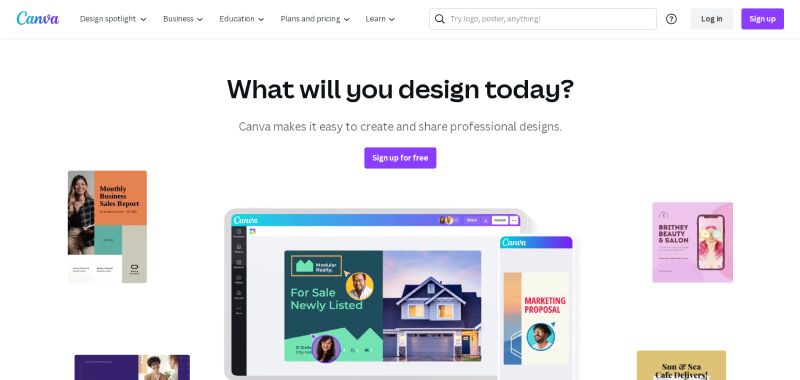
Canva democratizes design by making professional-quality graphics accessible to everyone. Founded in 2013, this design platform serves over 200 million monthly users worldwide.
Company Fundamentals
- Founded: 2013
- Location: Sydney, Australia (global headquarters)
- Industry Focus: Graphic design and visual communication
- Company Stage: Late-stage private
- Employee Count: 4,000+
Product & Technology Stack
- Core Platform: Web apps for graphic design with drag-and-drop functionality
- Key Features: Template library, photo editing, brand kits, team collaboration
- Technology: React, Python, AWS infrastructure, machine learning
- Integration Capabilities: Google Drive, Dropbox, social media platforms, printing services
Market Position & Competitive Advantage
- Target Market: Small businesses, marketers, educators, enterprises
- Pricing Model: Freemium with Canva Pro and Teams subscriptions
- Unique Value: Professional design made simple for non-designers
- Market Share: 200+ million monthly active users across 190 countries
Funding & Growth Metrics
- Total Funding: $572 million raised across multiple rounds
- Recent Round: Series G at $40 billion valuation (September 2021)
- Revenue Growth: $2+ billion revenue run rate
- Customer Base: 10+ million paying subscribers, 85% international users
Work Environment & Culture
- Work Model: Hybrid with “Canva Anywhere” flexible work policy
- Team Structure: Product, engineering, design, marketing, international expansion
- Company Values: Good human, set crazy big goals, be a force for good
- Benefits Package: Equity participation, wellness programs, learning budgets
Career Opportunities
- Common Roles: Product engineering, UI/UX design, machine learning, international expansion
- Growth Potential: Global expansion creating opportunities across regions
- Learning Environment: “Canva Create” conferences, internal skill sharing, creative workshops
- Innovation Culture: AI-driven design tools, accessibility focus, social impact initiatives
Industry Recognition
- Awards: Time’s 100 Most Influential Companies, Fast Company’s Most Innovative
- Media Coverage: Featured for democratizing design and visual communication
- Leadership: Melanie Perkins (CEO) recognized as entrepreneurship leader
- Partnerships: Google, Microsoft, content creators, educational institutions
Airtable – No-Code Database Platform

Airtable combines spreadsheet simplicity with database power, enabling teams to organize work without technical expertise. Founded in 2012, this no-code platform serves organizations needing flexible data management solutions.
Company Fundamentals
- Founded: 2012
- Location: San Francisco, California
- Industry Focus: No-code database and workflow automation
- Company Stage: Series F
- Employee Count: 1,000+
Product & Technology Stack
- Core Platform: Visual database with spreadsheet interface and relational capabilities
- Key Features: Custom app development, workflow automation, team collaboration, integrations
- Technology: JavaScript, React, Node.js, distributed database architecture
- Integration Capabilities: Zapier, Slack, Google Workspace, Salesforce, thousands of apps
Market Position & Competitive Advantage
- Target Market: SMB to enterprise across marketing, operations, product teams
- Pricing Model: Per-user subscription with free tier and enterprise plans
- Unique Value: Database functionality without coding requirements
- Market Share: 300,000+ organizations using platform globally
Funding & Growth Metrics
- Total Funding: $735 million raised across seven funding rounds
- Recent Round: Series F, $735 million at $11.7 billion valuation
- Revenue Growth: Estimated $100+ million ARR with 50%+ growth rate
- Customer Base: Netflix, WeWork, Medium, and thousands of growing businesses
Work Environment & Culture
- Work Model: Distributed-first with global remote workforce
- Team Structure: Product engineering, design, customer success, partnerships
- Company Values: Democratize software creation, user-centric design, inclusive building
- Benefits Package: Equity, comprehensive health coverage, remote work stipends
Career Opportunities
- Common Roles: Software development, product management, customer engineering, partnerships
- Growth Potential: No-code market expansion creating new role categories
- Learning Environment: Internal hackathons, customer research, product development cycles
- Innovation Culture: User feedback-driven development, no-code movement leadership
Industry Recognition
- Awards: Forbes Cloud 100, workplace productivity innovation leader
- Media Coverage: Featured for no-code democratization and business transformation
- Leadership: Howie Liu (CEO) recognized as no-code platform visionary
- Partnerships: Enterprise integrations, consulting firms, technology ecosystem
Linear – Project Management for Development Teams
Linear provides streamlined project management specifically designed for software development teams. Founded in 2019, this tool focuses on speed and simplicity for engineering workflows.
Company Fundamentals
- Founded: 2019
- Location: San Francisco, California
- Industry Focus: Project management for software teams
- Company Stage: Series B
- Employee Count: 50-100
Product & Technology Stack
- Core Platform: Issue tracking and project management with engineering focus
- Key Features: Sprint planning, roadmapping, Git integration, performance optimization
- Technology: React, TypeScript, GraphQL, real-time synchronization
- Integration Capabilities: GitHub, GitLab, Slack, Figma, development tool ecosystem
Market Position & Competitive Advantage
- Target Market: Software development teams at startups and growing companies
- Pricing Model: Per-seat monthly subscription with unlimited free guests
- Unique Value: Engineering-first design with exceptional performance
- Market Share: 10,000+ teams including Stripe, Vercel, Cash App
Funding & Growth Metrics
- Total Funding: $52 million across seed and Series A/B rounds
- Recent Round: Series B led by Sequoia Capital
- Revenue Growth: High growth among developer tool startups
- Customer Base: Engineering teams at high-growth technology companies
Work Environment & Culture
- Work Model: Fully remote with occasional team gatherings
- Team Structure: Small team focused on product, engineering, design
- Company Values: Craft excellence, user obsession, simplicity over features
- Benefits Package: Competitive equity, health insurance, remote work setup
Career Opportunities
- Common Roles: Front-end development, back-end development, product design, customer success
- Growth Potential: Early-stage company with expansion opportunities
- Learning Environment: Close collaboration with engineering leaders, product craft focus
- Innovation Culture: Performance-obsessed development, user experience innovation
Industry Recognition
- Awards: Product Hunt #1 Product of the Day
- Media Coverage: Featured for developer tool excellence and design quality
- Leadership: Karri Saarinen (CEO) former Airbnb design principal
- Partnerships: Development tool integrations, engineering community relationships
Vercel – Frontend Development Platform
Vercel accelerates front-end development with deployment and collaboration tools. Founded in 2015, this development platform serves modern web apps with global edge infrastructure.
Company Fundamentals
- Founded: 2015 (originally Zeit)
- Location: San Francisco, California
- Industry Focus: Frontend development and deployment platform
- Company Stage: Series D
- Employee Count: 400+
Product & Technology Stack
- Core Platform: Git-connected deployment with serverless functions and edge network
- Key Features: Instant deployments, preview URLs, analytics, edge functions
- Technology: Next.js (their framework), Node.js, serverless architecture, global CDN
- Integration Capabilities: GitHub, GitLab, Bitbucket, headless CMS platforms
Market Position & Competitive Advantage
- Target Market: Frontend developers and teams building modern web applications
- Pricing Model: Usage-based with generous free tier and team plans
- Unique Value: Seamless deployment experience with performance optimization
- Market Share: 1+ million developers using platform, Next.js framework adoption leader
Funding & Growth Metrics
- Total Funding: $313 million raised across multiple rounds
- Recent Round: Series D, $150 million led by Greenoaks Capital
- Revenue Growth: 500%+ growth in recent years
- Customer Base: OpenAI, TikTok, Hulu, thousands of development teams
Work Environment & Culture
- Work Model: Fully distributed with global remote team
- Team Structure: Engineering, product, developer relations, customer success
- Company Values: Developer experience first, open source contribution, performance obsession
- Benefits Package: Equity participation, health coverage, home office setup, conference attendance
Career Opportunities
- Common Roles: Software development, developer advocacy, product management, infrastructure engineering
- Growth Potential: Frontend development market expansion with enterprise adoption
- Learning Environment: Open source contributions, developer conferences, technical content creation
- Innovation Culture: Next.js framework development, edge computing innovation, developer tooling
Industry Recognition
- Awards: GitHub’s fastest-growing developer platform
- Media Coverage: Featured for transforming frontend deployment workflows
- Leadership: Guillermo Rauch (CEO) recognized as developer tooling visionary
- Partnerships: React team collaboration, Jamstack ecosystem leadership
Supabase – Open Source Firebase Alternative
Supabase provides back-end development services as an open-source alternative to Firebase. Founded in 2020, this platform offers PostgreSQL database with real-time subscriptions and authentication.
Company Fundamentals
- Founded: 2020
- Location: Singapore (distributed team)
- Industry Focus: Backend-as-a-service and database platform
- Company Stage: Series B
- Employee Count: 100+
Product & Technology Stack
- Core Platform: PostgreSQL database with real-time APIs, authentication, and storage
- Key Features: Instant RESTful API, real-time subscriptions, row-level security, file storage
- Technology: PostgreSQL, Elixir, TypeScript, Go, distributed architecture
- Integration Capabilities: Vercel, Netlify, GitHub Actions, various frameworks
Market Position & Competitive Advantage
- Target Market: Developers building modern applications needing backend infrastructure
- Pricing Model: Usage-based with generous free tier, pay-as-you-scale
- Unique Value: Open source with PostgreSQL foundation, developer-friendly
- Market Share: 100,000+ projects built, growing developer adoption
Funding & Growth Metrics
- Total Funding: $116 million across seed and Series A/B rounds
- Recent Round: Series B, $80 million led by Felicis Ventures
- Revenue Growth: High growth in developer tooling sector
- Customer Base: GitHub, Mozilla, and thousands of development teams
Work Environment & Culture
- Work Model: Fully remote, globally distributed team
- Team Structure: Engineering, developer relations, product, community
- Company Values: Open source first, developer experience, transparency
- Benefits Package: Equity, health insurance, remote work equipment, learning budget
Career Opportunities
- Common Roles: Back-end development, developer advocacy, product management, infrastructure
- Growth Potential: Backend-as-a-service market expansion with enterprise adoption
- Learning Environment: Open source contributions, developer community involvement, technical writing
- Innovation Culture: PostgreSQL ecosystem innovation, real-time technology development
Industry Recognition
- Awards: Y Combinator alumni, open source community recognition
- Media Coverage: Featured for open source Firebase alternative approach
- Leadership: Paul Copplestone (CEO) and Ant Wilson (CTO) as developer tool founders
- Partnerships: PostgreSQL community, framework integrations, cloud-based app platforms
Retool – Internal Tool Development Platform
Retool accelerates internal tool development for businesses needing custom applications. Founded in 2017, this low-code platform serves companies building internal dashboards and workflows.
Company Fundamentals
- Founded: 2017
- Location: San Francisco, California
- Industry Focus: Low-code internal tool development platform
- Company Stage: Series C
- Employee Count: 300+
Product & Technology Stack
- Core Platform: Drag-and-drop interface builder with database connections
- Key Features: UI components library, database integrations, API integration, workflow automation
- Technology: React, Node.js, PostgreSQL, multi-cloud infrastructure
- Integration Capabilities: 100+ data sources including databases, APIs, cloud services
Market Position & Competitive Advantage
- Target Market: Internal teams at startups to Fortune 500 companies
- Pricing Model: Per-user subscription with different feature tiers
- Unique Value: Rapid internal tool development without extensive coding
- Market Share: 5,000+ companies building internal applications
Funding & Growth Metrics
- Total Funding: $195 million raised across multiple rounds
- Recent Round: Series C, $45 million led by Sequoia Capital
- Revenue Growth: 300%+ year-over-year growth
- Customer Base: DoorDash, Plaid, Mercedes-Benz, and growing enterprises
Work Environment & Culture
- Work Model: Hybrid with San Francisco office and remote options
- Team Structure: Product engineering, customer success, sales, partnerships
- Company Values: Maker mentality, customer obsession, technical excellence
- Benefits Package: Equity, comprehensive health benefits, professional development
Career Opportunities
- Common Roles: Software development, customer engineering, sales engineering, product management
- Growth Potential: Internal tooling market expansion with enterprise adoption
- Learning Environment: Customer problem-solving focus, technical skill development
- Innovation Culture: Low-code platform innovation, enterprise workflow optimization
Industry Recognition
- Awards: Y Combinator alumni, enterprise software innovation recognition
- Media Coverage: Featured for internal tool development transformation
- Leadership: David Hsu (CEO) former Google engineer and startup founder
- Partnerships: Database providers, cloud platforms, enterprise software integrations
Webflow – Visual Web Development Platform

Webflow enables designers to build professional websites without coding. Founded in 2013, this visual development platform bridges design and web development through browser-based tools.
Company Fundamentals
- Founded: 2013
- Location: San Francisco, California
- Industry Focus: Visual web development and content management
- Company Stage: Series C
- Employee Count: 800+
Product & Technology Stack
- Core Platform: Visual website builder with custom code capabilities and CMS
- Key Features: Responsive design, hosting, e-commerce, SEO optimization, team collaboration
- Technology: Custom rendering engine, AWS infrastructure, Node.js, React
- Integration Capabilities: Zapier, Google Analytics, marketing tools, payment processors
Market Position & Competitive Advantage
- Target Market: Designers, agencies, marketing teams, small to medium businesses
- Pricing Model: Tiered subscriptions from free to enterprise levels
- Unique Value: Design-to-development workflow without coding requirements
- Market Share: 200,000+ customers, 3.5+ million registered users
Funding & Growth Metrics
- Total Funding: $334 million raised across multiple funding rounds
- Recent Round: Series C, $120 million led by Accel and Silversmith Capital
- Revenue Growth: 100%+ year-over-year growth rate
- Customer Base: Dell, Discord, Rakuten, thousands of agencies and businesses
Work Environment & Culture
- Work Model: Hybrid with headquarters in San Francisco and remote options
- Team Structure: Product, engineering, design, marketing, customer success, enterprise sales
- Company Values: Empowerment through tools, creative freedom, user-centric design
- Benefits Package: Equity participation, health benefits, professional development stipend
Career Opportunities
- Common Roles: Front-end development, product design, product management, customer success
- Growth Potential: No-code market expansion with enterprise and agency growth
- Learning Environment: Design community engagement, web development innovation, user research
- Innovation Culture: Visual development tools advancement, designer empowerment focus
Industry Recognition
- Awards: Webby Awards, design community recognition for innovation
- Media Coverage: Featured for democratizing web development and design-to-code workflows
- Leadership: Vlad Magdalin (CEO) recognized as no-code movement pioneer
- Partnerships: Design tool integrations, agency network, educational institutions
Framer – Interactive Design and Website Builder
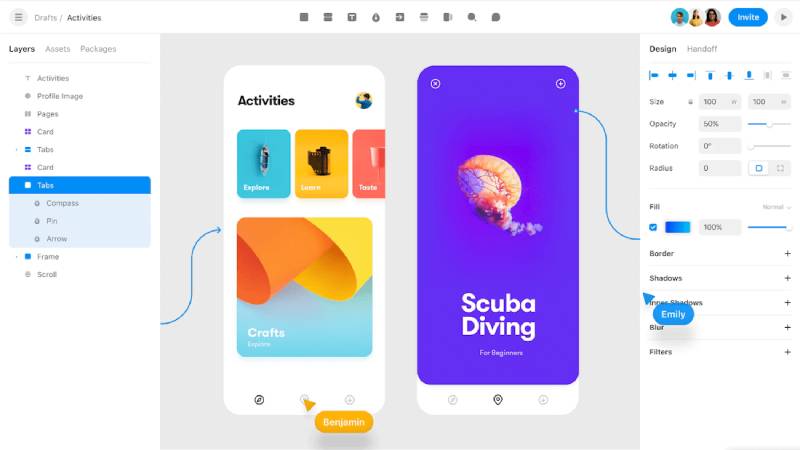
Framer transforms interactive design and website creation with rapid app development capabilities. Founded in 2014, this design platform enables designers to create sophisticated web apps without coding.
Company Fundamentals
- Founded: 2014
- Location: Amsterdam, Netherlands
- Industry Focus: Interactive design and no-code website development
- Company Stage: Series C
- Employee Count: 100-200
Product & Technology Stack
- Core Platform: Interactive prototyping tool with website building capabilities
- Key Features: AI-powered design, responsive websites, animations, CMS integration
- Technology: WebGL, React, TypeScript, cloud hosting infrastructure
- Integration Capabilities: Figma imports, analytics tools, payment processing, marketing platforms
Market Position & Competitive Advantage
- Target Market: Designers, agencies, marketing teams, creative professionals
- Pricing Model: Freemium with subscription tiers for advanced features
- Unique Value: High-fidelity prototyping with real website publishing capabilities
- Market Share: Growing competition with Webflow and Figma in design-to-development space
Funding & Growth Metrics
- Total Funding: $62.6 million raised across four funding rounds
- Recent Round: Series C, $27 million led by Meritech Capital Partners
- Revenue Growth: Strong growth in no-code website development market
- Customer Base: Design teams and agencies building interactive experiences
Work Environment & Culture
- Work Model: Remote-first with Amsterdam headquarters
- Team Structure: Product engineering, design, customer success, marketing
- Company Values: Creative empowerment, design excellence, innovation focus
- Benefits Package: Competitive equity, health benefits, remote work flexibility
Career Opportunities
- Common Roles: Front-end development, product design, customer engineering, growth marketing
- Growth Potential: Expanding no-code market with enterprise adoption potential
- Learning Environment: Design community involvement, cutting-edge web technologies
- Innovation Culture: AI integration, visual development advancement, user experience focus
Industry Recognition
- Awards: Design community recognition, no-code platform innovation
- Media Coverage: Featured for design-to-development workflow innovation
- Leadership: Koen Bok (CEO) recognized in design technology space
- Partnerships: Figma integration, design tool ecosystem relationships
Loom – Video Communication Platform (Acquired by Atlassian)
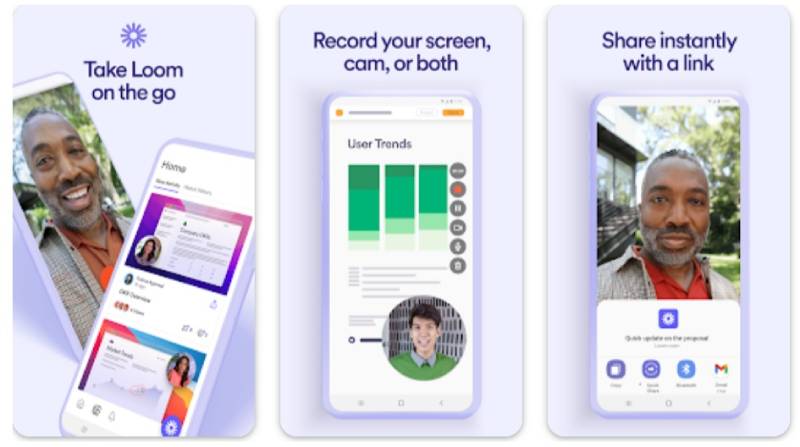
Loom revolutionized workplace communication through instant video messaging. Founded in 2015, this video communication platform was acquired by Atlassian for $975 million in October 2023.
Company Fundamentals
- Founded: 2015
- Location: San Francisco, California
- Industry Focus: Video communication and screen recording
- Company Stage: Acquired (by Atlassian)
- Employee Count: 270+ (pre-acquisition)
Product & Technology Stack
- Core Platform: Screen and camera recording with instant sharing capabilities
- Key Features: Screen recording, video messaging, team libraries, analytics
- Technology: Web apps, desktop applications, cloud-based app infrastructure
- Integration Capabilities: Slack, Gmail, Notion, CRM platforms, productivity tools
Market Position & Competitive Advantage
- Target Market: Remote teams, customer success, sales, education sectors
- Pricing Model: Freemium with business and enterprise subscription tiers
- Unique Value: Asynchronous video communication replacing lengthy meetings
- Market Share: 120,000+ customers before acquisition
Funding & Growth Metrics
- Total Funding: $214 million raised before acquisition
- Recent Round: Acquired by Atlassian for $975 million in October 2023
- Revenue Growth: $50 million ARR achieved in 2023
- Customer Base: 21+ million users across various industries
Work Environment & Culture
- Work Model: Fully remote since inception with distributed global team
- Team Structure: Engineering, product, customer success, marketing, sales
- Company Values: Async communication, transparency, user empowerment
- Benefits Package: Remote work stipends, equity participation, comprehensive health benefits
Career Opportunities
- Common Roles: Software development, product management, customer success, video technology
- Growth Potential: Now part of Atlassian ecosystem with enterprise expansion opportunities
- Learning Environment: Video technology innovation, remote work culture leadership
- Innovation Culture: Async communication advocacy, user experience focus, product-led growth
Industry Recognition
- Awards: Remote work technology leader, Y Combinator alumni success
- Media Coverage: Featured for transforming workplace communication paradigms
- Leadership: Joe Thomas (CEO) and Vinay Hiremath (CTO) as video communication pioneers
- Partnerships: Atlassian integration, productivity platform ecosystem
GitLab – DevOps Platform (Public Company)

GitLab provides comprehensive DevOps capabilities in a single application. Founded in 2011, this DevOps platform went public in 2021 and serves the entire software development lifecycle.
Company Fundamentals
- Founded: 2011
- Location: San Francisco, California (All-remote company)
- Industry Focus: DevOps and software development platform
- Company Stage: Public (NASDAQ: GTLB)
- Employee Count: 2,375
Product & Technology Stack
- Core Platform: Complete DevSecOps platform with CI/CD, security, and monitoring
- Key Features: Version control, continuous integration, security scanning, project management
- Technology: Ruby on Rails, Go, Vue.js, PostgreSQL, Kubernetes
- Integration Capabilities: Cloud providers, security tools, monitoring platforms, third-party services
Market Position & Competitive Advantage
- Target Market: Enterprise development teams, government, education sectors
- Pricing Model: Open source core with premium SaaS and self-managed tiers
- Unique Value: Single application for entire DevOps lifecycle
- Market Share: 30+ million registered users, Fortune 100 enterprise adoption
Funding & Growth Metrics
- Total Funding: $435 million raised before IPO
- Recent Round: Public company with $7.49 billion market cap
- Revenue Growth: $805 million trailing 12-month revenue
- Customer Base: 50+ million users across startups to enterprises
Work Environment & Culture
- Work Model: All-remote since inception with global team across 65+ countries
- Team Structure: Engineering, product, sales, marketing, customer success, security
- Company Values: Collaboration, results focus, efficiency, diversity, iteration, transparency
- Benefits Package: Equity participation, comprehensive remote work benefits, learning budget
Career Opportunities
- Common Roles: Software development, DevOps engineering, security, sales engineering, product management
- Growth Potential: Public company with enterprise market expansion opportunities
- Learning Environment: Open source contribution, remote work expertise, security focus
- Innovation Culture: DevSecOps advancement, AI integration, security-first development
Industry Recognition
- Awards: Leader in DevOps platform space, remote work culture pioneer
- Media Coverage: Featured for all-remote work model and DevOps platform innovation
- Leadership: Sid Sijbrandij (CEO) recognized as remote work and open source leader
- Partnerships: Major cloud providers, security vendors, enterprise software ecosystem
Miro – Visual Collaboration Platform

Miro accelerates innovation through visual collaboration and digital whiteboarding. Founded in 2011, this collaboration platform serves teams worldwide with infinite canvas capabilities for creative work.
Company Fundamentals
- Founded: 2011
- Location: San Francisco, California & Amsterdam, Netherlands
- Industry Focus: Visual collaboration and digital whiteboarding
- Company Stage: Series C
- Employee Count: 2,900+
Product & Technology Stack
- Core Platform: Infinite digital canvas with collaboration tools and templates
- Key Features: Wireframing, diagramming, sticky notes, real-time collaboration
- Technology: React, WebGL, real-time synchronization, cloud infrastructure
- Integration Capabilities: Slack, Microsoft Teams, Zoom, Figma, Jira, 100+ apps
Market Position & Competitive Advantage
- Target Market: Design teams, product managers, consultants, enterprise organizations
- Pricing Model: Freemium with team and enterprise subscription tiers
- Unique Value: Unlimited canvas with extensive template library and integrations
- Market Share: 35+ million users, 99% of Fortune 100 companies
Funding & Growth Metrics
- Total Funding: $476 million raised across four funding rounds
- Recent Round: Series C, $400 million at $17.5 billion valuation
- Revenue Growth: $290 million revenue in 2024 (significant growth trajectory)
- Customer Base: 200,000+ paying customers across various industries
Work Environment & Culture
- Work Model: Hybrid with offices in 11 global locations
- Team Structure: Product engineering, design, customer success, sales, marketing
- Company Values: User focus, visual thinking, collaboration, innovation
- Benefits Package: Competitive equity, global work opportunities, professional development
Career Opportunities
- Common Roles: Product engineering, UX design, customer success, sales engineering
- Growth Potential: Visual collaboration market expansion with enterprise focus
- Learning Environment: Design thinking workshops, collaboration methodology expertise
- Innovation Culture: Visual workspace advancement, remote collaboration leadership
Industry Recognition
- Awards: Visual collaboration market leader, enterprise software innovation
- Media Coverage: Featured for remote work enablement and visual collaboration
- Leadership: Andrey Khusid (CEO) recognized as collaboration platform visionary
- Partnerships: Microsoft Teams, Google Workspace, enterprise software integrations
Calendly – Scheduling Automation Platform

Calendly eliminates scheduling complexity through automated calendar coordination. Founded in 2013, this scheduling platform simplifies meeting coordination for millions of users worldwide.
Company Fundamentals
- Founded: 2013
- Location: Atlanta, Georgia
- Industry Focus: Scheduling and calendar automation
- Company Stage: Late-stage private (pre-IPO)
- Employee Count: 1,000+
Product & Technology Stack
- Core Platform: Automated scheduling with calendar integration and availability management
- Key Features: Meeting scheduling, calendar sync, workflow automation, team coordination
- Technology: Web apps, calendar API integration, real-time availability
- Integration Capabilities: Google Calendar, Outlook, Zoom, Slack, CRM platforms
Market Position & Competitive Advantage
- Target Market: Sales teams, recruiters, consultants, customer success professionals
- Pricing Model: Freemium with professional and enterprise subscription options
- Unique Value: Seamless scheduling experience with robust integration ecosystem
- Market Share: 20+ million users across various professional sectors
Funding & Growth Metrics
- Total Funding: $351 million raised across multiple funding rounds
- Recent Round: Series B, $350 million at $3 billion valuation
- Revenue Growth: Strong recurring revenue from subscription-based model
- Customer Base: Millions of individual users and thousands of enterprise clients
Work Environment & Culture
- Work Model: Remote-first with Atlanta headquarters and distributed team
- Team Structure: Engineering, product, sales, customer success, marketing
- Company Values: Simplicity, reliability, user empowerment, inclusive growth
- Benefits Package: Equity participation, remote work benefits, professional development
Career Opportunities
- Common Roles: Software development, product management, sales, customer success, marketing
- Growth Potential: Scheduling automation market expansion with enterprise adoption
- Learning Environment: SaaS business model expertise, user experience focus
- Innovation Culture: Workflow automation advancement, productivity tool innovation
Industry Recognition
- Awards: Scheduling software leader, productivity tool innovation
- Media Coverage: Featured for simplifying professional scheduling workflows
- Leadership: Tope Awotona (CEO) recognized as SaaS entrepreneur leader
- Partnerships: Calendar providers, CRM integrations, productivity platform ecosystem
Typeform – Interactive Form Builder
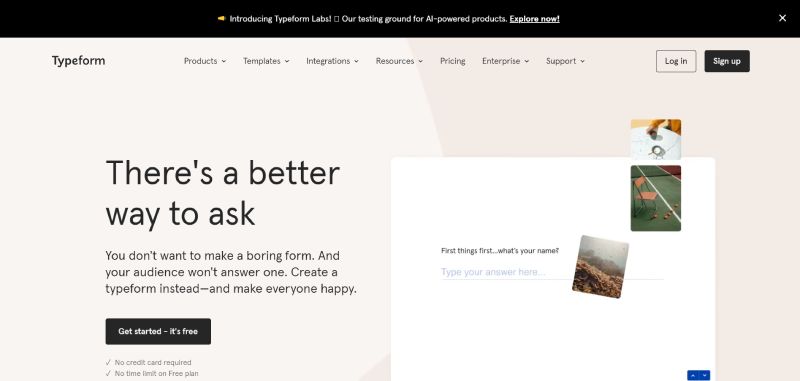
Typeform transforms data collection through conversational and engaging form experiences. Founded in 2012, this form building platform makes surveys and forms more human and interactive.
Company Fundamentals
- Founded: 2012
- Location: Barcelona, Spain
- Industry Focus: Interactive forms and survey platform
- Company Stage: Series C
- Employee Count: 500+
Product & Technology Stack
- Core Platform: Conversational form builder with interactive user experience
- Key Features: Custom app development for forms, logic branching, multimedia integration, analytics
- Technology: JavaScript, React, cloud infrastructure, real-time data processing
- Integration Capabilities: CRM systems, marketing tools, analytics platforms, webhooks
Market Position & Competitive Advantage
- Target Market: Marketing teams, HR departments, customer research, lead generation
- Pricing Model: Freemium with professional and enterprise subscription tiers
- Unique Value: Conversational form experience with high completion rates
- Market Share: 150+ million responses collected annually
Funding & Growth Metrics
- Total Funding: $185 million raised across multiple funding rounds
- Recent Round: Series C funding for continued growth and expansion
- Revenue Growth: Strong SaaS metrics with recurring subscription revenue
- Customer Base: Airbnb, Uber, Nike among enterprise customers
Work Environment & Culture
- Work Model: Remote-first with Barcelona headquarters and global distributed team
- Team Structure: Product engineering, design, marketing, customer success, sales
- Company Values: Human-centered design, simplicity, data empowerment, creativity
- Benefits Package: Flexible work arrangements, equity, comprehensive health benefits
Career Opportunities
- Common Roles: Front-end development, UX design, data engineering, customer success
- Growth Potential: Form and survey market expansion with enterprise features
- Learning Environment: User experience design, conversion optimization, data analysis
- Innovation Culture: Interactive experience design, user engagement innovation
Industry Recognition
- Awards: Form building innovation leader, user experience excellence
- Media Coverage: Featured for transforming traditional form experiences
- Leadership: David Okuniev (CEO) and Robert Muñoz (CTO) as form innovation pioneers
- Partnerships: Marketing platform integrations, CRM connectors, analytics tools
Intercom – Customer Communication Platform
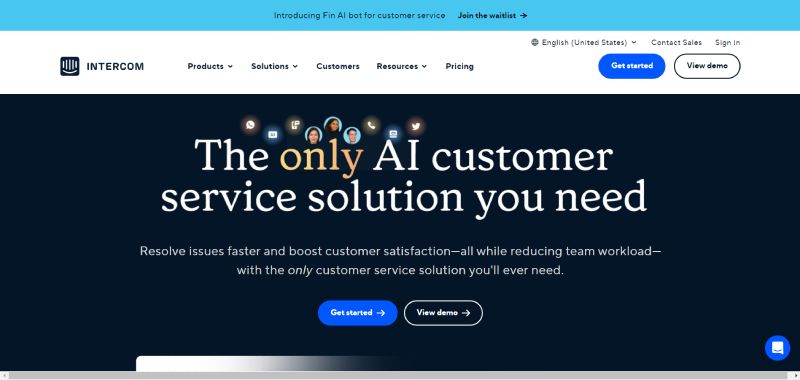
Intercom connects businesses with customers through messaging and support automation. Founded in 2011, this customer communication platform serves businesses with conversational relationship building tools.
Company Fundamentals
- Founded: 2011
- Location: San Francisco, California & Dublin, Ireland
- Industry Focus: Customer communication and support platform
- Company Stage: Late-stage private
- Employee Count: 1,000+
Product & Technology Stack
- Core Platform: Messaging platform with chatbots, help desk, and customer data
- Key Features: Live chat, help desk, customer data platform, automation workflows
- Technology: Real-time messaging, machine learning, API integration, cloud infrastructure
- Integration Capabilities: CRM systems, analytics tools, marketing platforms, development frameworks
Market Position & Competitive Advantage
- Target Market: SaaS companies, e-commerce, financial services, technology startups
- Pricing Model: Usage-based pricing with starter, pro, and enterprise tiers
- Unique Value: Unified customer communication platform with automation capabilities
- Market Share: 25,000+ businesses using platform globally
Funding & Growth Metrics
- Total Funding: $238 million raised across multiple funding rounds
- Recent Round: Series D funding with continued growth focus
- Revenue Growth: Strong ARR growth with enterprise customer expansion
- Customer Base: Shopify, Sotheby’s, New Relic among major clients
Work Environment & Culture
- Work Model: Hybrid with San Francisco and Dublin offices, remote flexibility
- Team Structure: Engineering, product, customer success, sales, marketing
- Company Values: Customer obsession, craftsmanship, teamwork, ambition
- Benefits Package: Competitive equity, health benefits, professional development
Career Opportunities
- Common Roles: Software development, customer success, sales engineering, product management
- Growth Potential: Customer communication market expansion with AI integration
- Learning Environment: Customer success expertise, messaging technology, automation
- Innovation Culture: Conversational AI advancement, customer experience innovation
Industry Recognition
- Awards: Customer communication leader, SaaS platform excellence
- Media Coverage: Featured for customer messaging and support automation
- Leadership: Eoghan McCabe (CEO) recognized as customer communication visionary
- Partnerships: E-commerce platforms, CRM integrations, developer ecosystem
Segment – Customer Data Platform
Segment unifies customer data across marketing and analytics tools. Founded in 2011, this customer data platform was acquired by Twilio for $3.2 billion in 2020.
Company Fundamentals
- Founded: 2011
- Location: San Francisco, California
- Industry Focus: Customer data platform and analytics infrastructure
- Company Stage: Acquired (by Twilio)
- Employee Count: 600+ (within Twilio)
Product & Technology Stack
- Core Platform: Customer data infrastructure with real-time data collection and routing
- Key Features: Data collection, identity resolution, audience building, privacy controls
- Technology: Real-time data pipelines, API integration, cloud infrastructure
- Integration Capabilities: 450+ marketing and analytics tool integrations
Market Position & Competitive Advantage
- Target Market: Marketing teams, product teams, data engineers at growth companies
- Pricing Model: Usage-based pricing with developer-friendly free tier
- Unique Value: Single API for customer data collection across all touchpoints
- Market Share: 25,000+ companies using platform for data infrastructure
Funding & Growth Metrics
- Total Funding: $284 million raised before acquisition
- Recent Round: Acquired by Twilio for $3.2 billion in 2020
- Revenue Growth: Strong growth as part of Twilio’s customer engagement platform
- Customer Base: Intuit, Fox, Bonobos among enterprise customers
Work Environment & Culture
- Work Model: Remote-friendly with San Francisco headquarters, now part of Twilio
- Team Structure: Engineering, product, customer success, data science
- Company Values: Customer obsession, data-driven decisions, engineering excellence
- Benefits Package: Twilio benefits including equity, health coverage, learning budget
Career Opportunities
- Common Roles: Data engineering, software development, customer success, solutions architecture
- Growth Potential: Customer data platform market expansion within Twilio ecosystem
- Learning Environment: Data infrastructure expertise, real-time systems, privacy engineering
- Innovation Culture: Data pipeline innovation, privacy-first development, developer tools
Industry Recognition
- Awards: Customer data platform leader, developer tool excellence
- Media Coverage: Featured for customer data infrastructure and privacy innovation
- Leadership: Peter Reinhardt (former CEO) recognized as data infrastructure pioneer
- Partnerships: Marketing tool ecosystem, analytics providers, cloud platforms
PlanetScale – Database Platform
PlanetScale provides serverless MySQL platform with branching capabilities. Founded in 2018, this database platform simplifies database management for modern applications.
Company Fundamentals
- Founded: 2018
- Location: San Francisco, California
- Industry Focus: Serverless database platform and MySQL hosting
- Company Stage: Series C
- Employee Count: 100+
Product & Technology Stack
- Core Platform: Serverless MySQL with database branching and scaling capabilities
- Key Features: Database branching, automatic scaling, zero-downtime schema changes
- Technology: MySQL, Vitess, Kubernetes, cloud-native infrastructure
- Integration Capabilities: Popular frameworks, deployment platforms, monitoring tools
Market Position & Competitive Advantage
- Target Market: Developers, startups, enterprise teams needing scalable databases
- Pricing Model: Usage-based pricing with developer-friendly free tier
- Unique Value: Git-like workflow for database schema management
- Market Share: Growing developer adoption in serverless database space
Funding & Growth Metrics
- Total Funding: $105 million raised across multiple funding rounds
- Recent Round: Series C led by Kleiner Perkins and Insight Partners
- Revenue Growth: Strong developer adoption with enterprise customer growth
- Customer Base: GitHub, Shopify, Portkey among notable users
Work Environment & Culture
- Work Model: Remote-first with distributed global engineering team
- Team Structure: Engineering, developer relations, product, customer success
- Company Values: Developer experience, reliability, innovation, transparency
- Benefits Package: Competitive equity, remote work setup, professional development
Career Opportunities
- Common Roles: Back-end development, database engineering, developer relations, infrastructure
- Growth Potential: Database platform market expansion with serverless adoption
- Learning Environment: Database technology expertise, distributed systems, developer tools
- Innovation Culture: Database workflow innovation, developer experience focus
Industry Recognition
- Awards: Database innovation leader, developer tool excellence
- Media Coverage: Featured for database branching and serverless MySQL innovation
- Leadership: Sam Lambert (CEO) and Nick Van Wiggeren (CTO) as database technology leaders
- Partnerships: Framework integrations, cloud providers, developer tool ecosystem
Railway – Application Deployment Platform
Railway simplifies application deployment with developer-focused infrastructure. Founded in 2020, this deployment platform enables rapid app deployment without DevOps complexity.
Company Fundamentals
- Founded: 2020
- Location: San Francisco, California
- Industry Focus: Application deployment and infrastructure platform
- Company Stage: Series A
- Employee Count: 20-50
Product & Technology Stack
- Core Platform: Git-connected deployment with automatic scaling and database management
- Key Features: One-click deployment, automatic scaling, database hosting, monitoring
- Technology: Containerization, Kubernetes, cloud infrastructure, Git integration
- Integration Capabilities: GitHub, GitLab, popular frameworks, database systems
Market Position & Competitive Advantage
- Target Market: Individual developers, small teams, startup projects
- Pricing Model: Usage-based with generous free tier for developers
- Unique Value: Simplified deployment experience without infrastructure management
- Market Share: Growing adoption among indie developers and small teams
Funding & Growth Metrics
- Total Funding: $16 million raised in seed and Series A rounds
- Recent Round: Series A funding for platform expansion
- Revenue Growth: Strong developer adoption with expanding feature set
- Customer Base: Individual developers and small development teams
Work Environment & Culture
- Work Model: Fully remote with small, close-knit team
- Team Structure: Engineering, product, developer relations, operations
- Company Values: Developer experience, simplicity, rapid deployment, accessibility
- Benefits Package: Equity participation, remote work flexibility, learning opportunities
Career Opportunities
- Common Roles: Software development, infrastructure engineering, developer relations, product
- Growth Potential: Developer tools market expansion with small team focus
- Learning Environment: Cloud infrastructure, deployment automation, developer experience
- Innovation Culture: Deployment simplification, developer tool innovation
Industry Recognition
- Awards: Developer tool innovation, deployment platform excellence
- Media Coverage: Featured for simplifying application deployment workflows
- Leadership: Jake Cooper (CEO) recognized as developer tool entrepreneur
- Partnerships: Git providers, framework integrations, cloud infrastructure providers
FAQ on SaaS Startups To Work For
What equity compensation should I expect at SaaS startups?
Equity packages typically range from 0.01% to 2% depending on role level and company stage. Early employees at seed-stage companies receive higher percentages, while later-stage unicorn startups offer smaller percentages but potentially greater absolute value due to higher valuations.
How do I evaluate a startup’s growth potential before joining?
Look for revenue growth metrics, customer retention rates, and recent funding rounds. Check if they serve enterprise clients, have product-market fit, and operate in expanding markets. Strong software development teams and experienced leadership indicate sustainable growth potential.
Are remote work opportunities common at SaaS companies?
Most SaaS startups embrace remote-first or hybrid models. Companies like GitLab, Notion, and Stripe pioneered distributed teams, offering global talent access and flexible work arrangements that traditional corporations rarely match.
What’s the typical career progression timeline at growing startups?
Career advancement happens faster than traditional companies, often within 12-18 months. Rapid scaling creates new leadership positions, cross-functional opportunities, and skill development that would take years elsewhere. High-performers frequently advance multiple levels annually.
How risky is joining an early-stage versus late-stage startup?
Early-stage carries higher risk but offers greater equity upside and broader learning opportunities. Late-stage startups provide more stability, established processes, and clearer career paths while maintaining growth potential and competitive compensation packages.
What benefits packages do venture-backed startups typically offer?
Benefits packages include comprehensive health insurance, unlimited PTO, learning budgets, and home office stipends. Many offer equity participation, conference attendance, professional development programs, and wellness benefits that exceed traditional corporate offerings.
How do I negotiate salary and equity at a SaaS startup?
Research startup compensation data using platforms like Levels.fyi and AngelList. Factor in equity value, learning opportunities, and growth potential. Negotiate both base salary and equity percentage, considering vesting schedules and company valuation trends.
Which technical skills are most valuable for SaaS startup roles?
Cloud-based app development, API integration, and full-stack engineering remain highly sought. Product management, customer success, and data analysis skills also command premium compensation across growing technology companies.
How do I identify startups with strong company culture?
Research startup culture through employee reviews on Glassdoor, LinkedIn posts, and company blogs. Look for transparency in decision-making, clear values, diversity initiatives, and employee retention rates. Strong cultures prioritize work-life balance and professional development.
What should I know about vesting schedules and equity terms?
Stock options typically vest over four years with a one-year cliff. Understand the difference between ISOs and NSOs, exercise costs, and potential dilution from future funding rounds. Consider tax implications and company exit strategies.
Conclusion
The landscape of SaaS startups to work for continues expanding as venture capital flows into innovative companies solving complex business problems. These organizations offer unique advantages that established corporations struggle to match: accelerated learning curves, meaningful equity participation, and direct impact on product development from day one.
Successful startups like Stripe, Figma, and Notion demonstrate how the right team can transform entire industries through exceptional software development practices and user-focused innovation. Early employees at these companies experienced career growth trajectories impossible in traditional corporate environments.
The key lies in thorough research and strategic timing. Evaluate funding stages, team structure, market opportunity, and cultural alignment before making your decision. Consider factors like post-deployment maintenance capabilities and software scalability when assessing long-term viability.
Your next career move could position you at the forefront of technological innovation. Whether you’re drawn to enterprise software companies, productivity platforms, or emerging fintech solutions, the startup job opportunities available today offer unprecedented potential for professional growth and financial rewards.
If you enjoyed reading this article on SaaS startups, you should check out this one about SaaS metrics.
We also wrote about a few related subjects like SaaS vs PaaS, SaaS pricing models, and SaaS development.

- Top Demand Side Platform Companies to Use For Programmatic Advertising - September 26, 2025
- What Is Nearshoring and How You Can Benefit from It - September 24, 2025
- MVP Tests You Can Do To Validate Your Idea - September 22, 2025


