

Squinting at tiny app icons gets old fast.
iPhone display settings let you enlarge everything from home screen icons to in-app text, but most users never explore these options. Whether you’re dealing with vision challenges, bright outdoor conditions, or just prefer bigger touch targets, iOS offers multiple ways to increase icon size and improve readability.
This guide covers how to make apps bigger on iPhone using Display Zoom, accessibility features, and app-specific adjustments. You’ll learn the exact steps to enlarge interface elements, understand the trade-offs of each method, and discover which settings work best for different iPhone models running iOS 17 or iOS 18.
Standard view too small? Let’s fix that.
How to Make Apps Bigger on iPhone: Quick Workflow
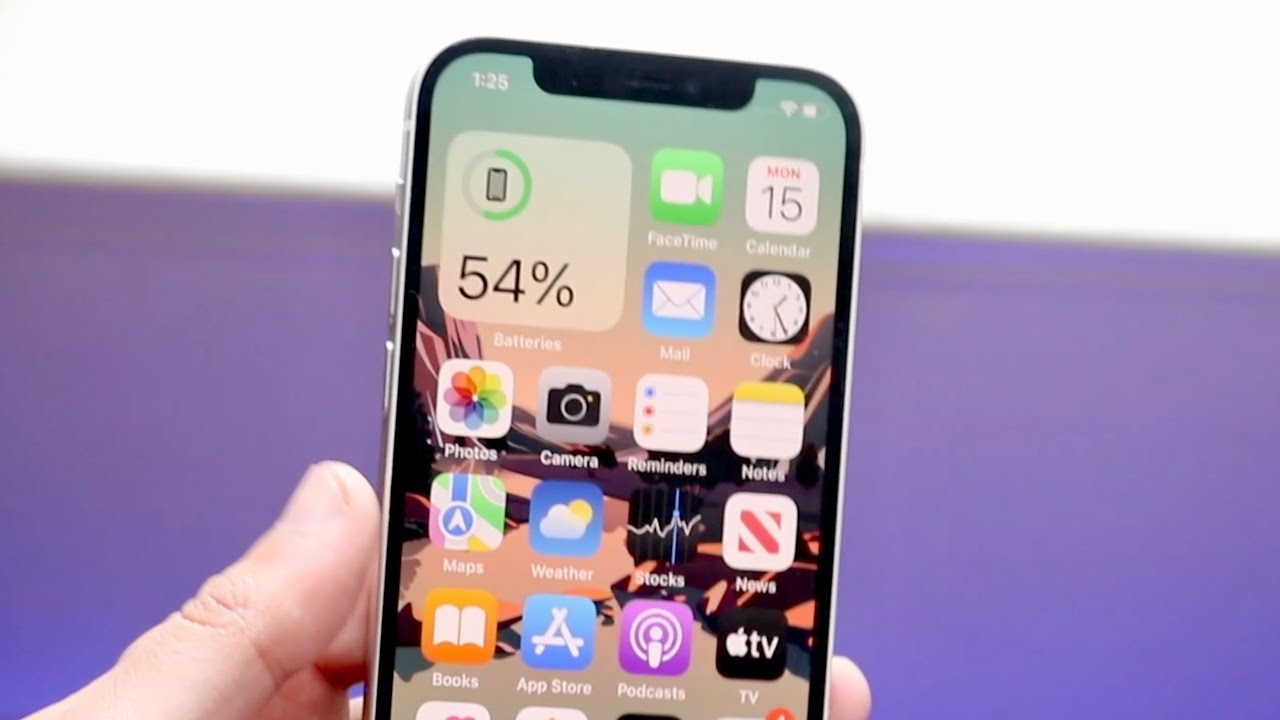
Three methods, each doing something slightly different. Pick what fits your situation.
Method One: Display Zoom (biggest visual change)
- Open Settings
- Tap Display & Brightness
- Scroll to Display Zoom (or “View”)
- Select Zoomed, then tap Set
- Confirm with Use Zoomed
- iPhone restarts automatically. Everything looks bigger now, icons, keyboard, dock, the whole thing.
Method Two: Larger Text (for readability inside apps)
- Open Settings
- Go to Accessibility > Display & Text Size
- Tap Larger Text
- Drag the slider to the right until text looks comfortable
- Toggle on Larger Accessibility Sizes if you need it even bigger
This won’t change icon sizes. Just text. But combined with Display Zoom, it covers pretty much everything.
Method Three: Accessibility Zoom (on-demand magnifier)
- Open Settings > Accessibility > Zoom
- Toggle Zoom on
- Double-tap with three fingers to zoom in anywhere on screen
- Drag three fingers to move around while zoomed
Good for quick, temporary magnification without changing your whole layout.
Per-App Tweaks Worth Knowing
- Safari: Tap the “aA” in the address bar. Scale text from 50% to 300%. Saves per site.
- Mail: Pinch to zoom. Also, Settings > Mail lets you increase minimum font size.
- Messages: Follows your system-wide text size. No per-conversation control.
Understanding iOS Display Settings
Display Zoom and text size serve different purposes.
Display Zoom physically enlarges every UI element. Text Size only affects typography.
When you enable Zoomed view, iOS adjusts screen resolution to fit fewer, larger elements. Standard view on iPhone 15 shows a 6×4 home screen grid. Zoomed drops it to 5×4.
Screen real estate decreases but touch targets grow. Better for accessibility, harder for users who want maximum app density.
Display Zoom vs Text Size
Display Zoom modifies the interface scale. The entire UI/UX design shifts to accommodate larger elements.
Text Size tweaks font rendering without touching icon spacing or app layout. You keep the same number of apps per screen.
Both settings persist across iOS updates. Your preferences sync through iCloud if you enable Settings sync.
What “Zoomed” Actually Means in iOS
Zoomed view renders the interface at a lower effective resolution.
iPhone processes everything at native resolution but scales the output. Similar to how desktop displays handle non-native resolutions.
Apps don’t actually change their codebase or assets. iOS handles the magnification at the system level, transparent to mobile application development frameworks.
Screen Resolution and Icon Size Relationship
Retina displays pack more pixels per inch. iOS scales icons to maintain consistent physical dimensions across different iPhone models.
An icon that’s 60×60 points renders differently on iPhone SE versus iPhone 15 Pro Max. Higher pixel density doesn’t mean bigger icons, just sharper ones.
Zoomed mode overrides this. It forces iOS to render at a different point scale, making everything appear physically larger on screen.
iPhone Model Differences
iPhone SE supports both Standard and Zoomed. Limited screen size makes Zoomed view cramped.
iPhone 15 and 15 Plus handle Zoomed better. More screen space means less compromise.
Pro Max models in Zoomed mode still show more content than smaller iPhones in Standard. Display size matters more than zoom setting for total visible apps.
Older models running iOS 17 or iOS 18 have identical Display Zoom functionality. The feature hasn’t changed since iOS development introduced it years ago.
Home Screen Layout Implications
Zoomed view reduces your app grid from 6×4 to 5×4 on most iPhones.
You lose one column of apps. That’s 4-5 fewer apps visible per home screen page.
Dock still holds 4 apps but they’re spaced wider. Folder view shows fewer app icons per page inside folders too.
Widget size adjusts proportionally. A medium widget in Zoomed takes up more relative space than in Standard view.
How Zoomed View Reduces Grid
Standard iPhone 15 displays 24 apps per page (6 rows × 4 columns).
Zoomed shows 20 apps (5 rows × 4 columns).
You’ll need more home screen pages to fit the same number of apps. Some people find this annoying after switching.
The App Library becomes more useful in Zoomed mode since you can’t see as many apps at once.
Widget Size Adjustments
Small widgets stay small but take up more visual space relative to icons.
Medium and large widgets scale up with the interface. A 2×2 medium widget in Zoomed mode consumes proportionally more screen area.
Widget layouts designed for Standard view might feel cramped in Zoomed. Some custom app development teams optimize widget designs for both modes, but not all do.
Dock Icon Changes
Dock icons scale uniformly with the display zoom setting.
Four-icon docks spread wider in Zoomed. Three-icon docks leave more breathing room.
Recently used apps in the dock’s right section also appear larger. The entire dock interface follows the system scaling rules without exception.
Folder Appearance Modifications
Folders open to show 3×3 grids in Zoomed instead of 4×3.
You see 9 apps per folder page rather than 12. More pages per folder if you have many apps organized.
Folder names and labels scale up too. Better legibility but fewer visible items at a glance.
Making Text Inside Apps Bigger
System-wide text size lives in Accessibility settings.
Navigate to Settings → Accessibility → Display & Text Size → Larger Text.
Drag the slider right. Text grows across iOS and most apps.
Not all apps respect this setting. Some mobile app development teams hardcode font sizes. Apple’s built-in apps always honor it.
System-Wide Text Size Adjustments
Larger Text affects Mail, Messages, Safari, Notes, and other Apple apps immediately.
Third-party apps vary. Well-designed apps using Dynamic Type respond to your preference. Poorly coded ones ignore it.
You can push text size beyond the default slider range. Toggle “Larger Accessibility Sizes” below the slider for even bigger fonts.
Maximum setting makes text huge. Sometimes too big for comfortable reading if interface elements start overlapping.
Bold Text Option
Below Larger Text, you’ll find Bold Text.
Enabling it requires a restart. Text across iOS becomes heavier, easier to read for some users.
Bold Text works independently of size adjustments. You can use both together for maximum readability.
Some designers hate how bold text looks. It reduces visual hierarchy in interfaces, making everything equally prominent.
Per-App Text Size
Safari offers per-site text size controls.
Tap the “aA” icon in the address bar, then adjust the percentage. Changes persist per website.
Mail lets you zoom text by pinching. The app remembers your zoom level for that message.
Messages doesn’t have per-conversation text sizing. You’re stuck with the system-wide setting there.
Accessibility Shortcuts for Quick Adjustments
Triple-click the side button to access Accessibility Shortcut.
Configure it in Settings → Accessibility → Accessibility Shortcut at the bottom.
Add Zoom or Display & Text Size for quick access. No diving through menus when you need temporary adjustments.
Shortcuts let you toggle settings without navigating through multiple screens. Faster than changing display settings manually every time.
Making Everything on Screen Bigger
Zoom accessibility feature magnifies the entire screen temporarily.
Enable it in Settings → Accessibility → Zoom.
Triple-tap with three fingers to activate. Drag three fingers to move around the magnified area.
Different from Display Zoom. This is a magnifier tool for temporary close-up views, not a permanent interface change.
Zoom Accessibility Feature
Zoom offers two modes: Full Screen and Window.
Full Screen magnifies everything. Window creates a movable magnified area while keeping the rest normal.
Adjust magnification level by double-tapping three fingers, then dragging up or down.
Maximum zoom goes to 15x. Extreme levels are useful for reading tiny text in screenshots or examining image details.
Triple-Tap Zoom Controls
Three-finger triple-tap toggles zoom on/off.
Three-finger double-tap-and-drag adjusts zoom level on the fly.
Three-finger drag pans around the screen when zoomed in.
Gestures take practice. Accidentally triggering zoom frustrates users until they master the finger positioning.
Magnifier Tool Usage
Magnifier is a separate feature from Zoom.
Access it through Control Center or by triple-clicking the side button (if configured).
Uses your camera to magnify real-world objects. Also works on your screen by freezing and zooming the current view.
Helpful for reading small print in apps that don’t support text size adjustments. Basically turns your iPhone into a digital magnifying glass.
VoiceOver with Zoom
VoiceOver reads screen content aloud.
Combining VoiceOver with Zoom lets blind or low-vision users hear and see magnified content simultaneously.
Not common outside accessibility use cases. Most people use one or the other, not both.
Settings → Accessibility → VoiceOver to enable. Learning curve is steep if you’re not familiar with screen readers.
Smart Invert Considerations
Smart Invert reverses colors for better visibility in low light.
Works independently of zoom and text size. Some users combine all three for maximum accessibility.
Images and media stay normal. Only interface elements invert, preventing weird-looking photos.
Battery impact is minimal on OLED iPhones. Might slightly reduce eye strain for people sensitive to bright screens.
Making Specific App Elements Larger
Apps handle size adjustments differently depending on how developers built them.
Safari, Mail, and Messages each have unique controls beyond system settings.
Safari Text Size Controls
Tap the “aA” icon in Safari’s address bar.
Adjust text size from 50% to 300%. Settings save per website.
Reader Mode strips away clutter and enlarges text automatically. Tap the lines icon on the left side of the address bar to activate.
Mail App Specific Settings
Pinch to zoom in any email. Mail remembers your zoom level for that conversation thread.
Settings → Mail → increase minimum font size. Affects all incoming messages but not compose window.
Messages Bubble Sizing
Messages respects system-wide text size from Accessibility settings. No per-conversation adjustments available.
Bubble size scales with text. Larger text creates bigger bubbles but reduces visible message history.
App-Specific Accessibility Features
Apps built with proper iOS development practices support Dynamic Type. Check Settings → Accessibility → Per-App Settings to override system defaults for specific apps.
Banking apps, social media, and productivity tools usually support these features. Games and media apps often don’t.
iOS Version Differences
Display Zoom existed since iOS 8. Core functionality hasn’t changed but feature names shifted across updates.
iOS 17 and iOS 18 use identical Display & Brightness menus. Earlier versions had slightly different layouts.
Feature Availability Across iOS Versions
iOS 15 introduced per-app accessibility overrides. iOS 16 refined text size controls.
iOS 18 added nothing new to display zoom. Updates focused on other areas like Dynamic Island and StandBy mode.
Accessibility features receive more attention than display scaling in recent updates. Apple considers the current implementation stable.
Deprecated Options from Older Versions
iOS 7 had a “Bold Text” toggle that worked differently. Required device restart, just like the current version.
View settings changed names multiple times. “Display Zoom” was once called “View” in iOS 10.
Functionality stayed consistent. Only menu organization shifted between major iOS updates.
New Accessibility Features in Latest Updates
iOS 18 improved VoiceOver gestures. No changes to zoom or display scaling.
Larger Accessibility Sizes now goes even bigger than before. Maximum text size increased in iOS 17.
Point-and-speak feature helps low-vision users. Uses camera and LiDAR to identify objects and text, but unrelated to app icon sizing.
Device-Specific Variations
iPhone SE shows fewer apps in Zoomed mode due to smaller screen.
Pro Max models handle Zoomed view better. More physical space means less visual compromise.
Standard iPhone Models Behavior
iPhone 15 and 14 offer identical zoom functionality. Screen size determines how many apps remain visible after zooming.
6.1-inch displays show 20 apps in Zoomed, 24 in Standard. Reasonable balance for most users.
iPhone Plus/Pro Max Differences
Pro Max models give you 6×4 grids in Standard, 5×4 in Zoomed, same as smaller models.
Extra screen size means icons physically larger at both settings. Zoomed mode on Pro Max approaches absurdly large icons for some users.
Better for accessibility. Overkill for people with normal vision who want maximum screen real estate.
iPhone SE Limitations
SE’s 4.7-inch display struggles with Zoomed mode. Icons get huge relative to available space.
Folder grids drop to 3×3. Home screens feel cramped with only 20 apps visible.
Standard view recommended for SE unless vision accessibility is the priority. Zoomed mode sacrifices too much functionality on small screens.
iPad App Icon Sizing
iPadOS handles app icons differently. Settings → Home Screen & Dock → Keep Today View or More Apps.
More Apps creates smaller icons, fitting more per screen. Keep Today View enlarges them.
iPad doesn’t use Display Zoom terminology. Achieves similar results through different settings paths.
Display Technology Impact
Retina displays pack 326 pixels per inch or higher. Icon sharpness improves but size stays consistent across models at the same zoom setting.
OLED screens on Pro models render blacks better. Doesn’t affect icon size, just contrast and color depth.
Retina Display Scaling Explanation
iOS measures interface elements in points, not pixels. One point equals 2×2 or 3×3 pixels on Retina displays.
60×60 point icon renders at 180×180 pixels on 3x screens. Physical size on screen depends on display density and zoom setting, not resolution.
Software development teams design assets at multiple resolutions. iOS picks the appropriate version based on device capabilities.
How Pixel Density Affects Icon Rendering
Higher pixel density creates sharper edges. Icons look smoother on newer iPhones than older models.
Zoomed mode doesn’t reduce sharpness. iOS still renders at native resolution, then scales the output.
Pixel density differences between iPhone models are invisible to most users. Only noticeable when comparing devices side-by-side.
OLED vs LCD Differences
OLED provides deeper blacks and better contrast. LCD screens use backlights that create slight glow.
Icon appearance differs subtly between display types. OLED makes dark mode icons pop more.
Battery life considerations: OLED uses less power displaying dark content. Zoomed mode with dark mode apps saves battery on Pro models.
ProMotion Display Considerations
ProMotion (120Hz) affects scrolling smoothness, not icon size. Animations feel more fluid when swiping between home screens.
Zoomed or Standard view looks identical on ProMotion displays. Refresh rate and interface scaling are independent features.
Battery impact from ProMotion outweighs any changes from zoom settings. High refresh rates drain more power than larger interface elements.
When Bigger Icons Matter
Vision impairment makes standard interface too small. Zoomed mode improves usability significantly.
Age-related vision changes affect users over 40. Text size and icon size become daily pain points.
Accessibility Needs
Low vision users benefit most from combined Display Zoom and Larger Text.
Color blindness doesn’t require larger icons. Contrast and color filters matter more.
Motor control issues improve with bigger touch targets. Zoomed mode reduces missed taps.
Age-Related Vision Changes
Presbyopia starts around age 40. Near vision degrades, making small text and icons difficult.
Zoomed mode addresses this without reading glasses. Many older users never discover this setting exists.
Font size helps more than icon size for age-related issues. Combine both for best results.
Outdoor Visibility Scenarios
Bright sunlight washes out screens. Larger icons are easier to identify without squinting.
Display brightness matters more than size outdoors. Crank brightness to max before enlarging interface.
Zoomed mode provides minimal benefit in direct sunlight. Better to find shade or increase contrast instead.
One-Handed Usage Preferences
Smaller phones with Zoomed mode improve one-handed reachability. Bigger touch targets reduce stretching.
iPhone SE in Zoomed mode optimizes for thumb reach. Fewer apps means less scrolling to find things.
Pro Max models in Zoomed mode still require two hands for upper corners. Screen size limits override zoom benefits.
Trade-offs to Consider
Zoomed view sacrifices screen real estate for larger elements.
You lose visible apps per page. More swiping required to access everything.
Screen Real Estate Reduction
Standard view fits 24 apps per home screen. Zoomed drops to 20.
Multiply by number of home screen pages. Difference adds up quickly if you have many apps installed.
App Library becomes more valuable. Searching replaces browsing when you can’t see all apps at once.
Widget Size Limitations
Medium widgets consume proportionally more space in Zoomed mode.
Widget-heavy home screens feel cramped. Standard view recommended if you rely on many widgets.
Small widgets scale reasonably. Large widgets become dominant, pushing apps to other pages.
App Layout Changes
Some apps look weird in Zoomed mode. UI elements designed for Standard view sometimes overlap or misalign.
Well-coded apps adapt smoothly. Poorly maintained apps show layout bugs.
Games often ignore system zoom. They render at fixed resolutions regardless of display settings.
Battery Life Considerations
Zoomed mode has negligible battery impact. Interface scaling happens at the rendering level, not computation level.
Larger touch targets might reduce accidental taps. Fewer mistakes means less screen-on time correcting errors.
Display brightness affects battery far more than zoom settings. Don’t expect significant power savings from interface changes.
Common Issues
Settings sometimes don’t apply immediately. Restarting fixes most zoom-related problems.
Third-party apps occasionally conflict with system zoom settings.
Settings Not Applying After Restart
Rare bug where Display Zoom reverts to Standard after update.
Go back to Display & Brightness, reselect Zoomed, restart again. Persists on second attempt usually.
Check storage space. iOS requires free space to switch display modes. Clear cache if settings won’t save.
Apps Appearing Cut Off in Zoomed Mode
Older apps designed before Display Zoom existed sometimes clip UI elements.
Update the app. Developers patch these issues in newer versions.
No fix if developer abandoned the app. Either deal with cutoff elements or switch back to Standard view.
Third-Party App Compatibility
Apps built with standard iOS development frameworks handle Zoom automatically.
Custom UI implementations sometimes break. Banking apps and games most affected.
Check App Store reviews. Other users report zoom issues if they’re widespread.
Reverting Changes If Dissatisfied
Switch back to Standard view anytime. Settings → Display & Brightness → Display Zoom → Standard.
Your home screen layout resets. Apps return to their positions but folder organization persists.
No data loss from switching zoom modes. Only visual layout changes.
Advanced Configurations
Combine multiple accessibility features for customized interface.
AssistiveTouch works alongside Display Zoom for enhanced control.
Combining Multiple Accessibility Features
Enable Larger Text, Bold Text, and Display Zoom together for maximum visibility.
Some combinations create overlap issues. Test before committing to multiple simultaneous features.
Reduce Motion helps if animations feel excessive with larger interface elements. Settings → Accessibility → Motion.
Using AssistiveTouch with Larger Icons
AssistiveTouch adds on-screen button for accessibility shortcuts.
Larger icons plus AssistiveTouch means less screen space. Button placement matters more in Zoomed mode.
Configure AssistiveTouch to access zoom and text size quickly. Reduces menu diving when adjusting settings.
Custom Accessibility Shortcuts
Triple-click side button to access preset shortcuts.
Add Display & Text Size, Zoom, or VoiceOver to the shortcut menu. Settings → Accessibility → Accessibility Shortcut.
Shortcuts toggle features instantly. Faster than navigating Settings repeatedly.
Per-App Settings Optimization
iOS 15+ allows per-app accessibility overrides. Settings → Accessibility → Per-App Settings.
Set some apps to Larger Text while keeping others standard. Banking apps larger, games smaller.
Time-consuming to configure many apps individually. Worth it if you use specific apps that need different sizing.
Additional iPhone Customization
Icon arrangement strategies work differently in Zoomed mode. Fewer apps per page requires more intentional organization.
Widget sizing impacts home screen density more than in Standard view.
App Icon Arrangement Strategies
Group similar apps together. Categories matter more when you can’t see everything at once.
Use folders aggressively in Zoomed mode. Reduces home screen count despite larger icons.
Keep frequently used apps on the first page. Zoomed view makes scrolling through pages slower.
Widget Sizing for Better Visibility
Small widgets (2×2) work best in Zoomed mode. Medium and large widgets dominate too much space.
Stack widgets to save space. Swipe through stacks instead of dedicating separate screen areas.
Weather, calendar, and battery widgets small enough to coexist with apps. Photo widgets too large unless they’re your focus.
Wallpaper Selection for Icon Clarity
Dark wallpapers make light-colored app icons pop. Light wallpapers do the opposite.
Busy wallpapers reduce icon legibility. Solid colors or subtle gradients work best with Zoomed mode.
Dynamic wallpapers drain battery on older iPhones. Static images preferred for battery conservation.
Reduce Motion Effects on Icon Appearance
Reduce Motion disables parallax effect. Icons stay static when tilting device.
Animations when opening apps become simpler. Faster transitions, less visual distraction.
Some users find Reduced Motion essential with Zoomed view. Larger animations feel exaggerated and slow.
Related Actions
Syncing display preferences across devices requires iCloud.
Settings sync works for some preferences but not Display Zoom. Each device maintains independent zoom settings.
Syncing Preferences Across iPhone and iPad
iCloud syncs accessibility text size preferences. Display Zoom settings don’t sync.
Set Zoom mode separately on each device. iPhone in Zoomed, iPad in Standard (or equivalent) makes sense given screen size differences.
Per-app settings sync if you enable iCloud for Accessibility. Check Settings → [Your Name] → iCloud → Show All → Accessibility.
Apple Watch App Icon Sizing
watchOS doesn’t have equivalent Display Zoom. Icon size fixed based on watch face chosen.
Text size adjustments available. Settings → Accessibility → Larger Text on Apple Watch.
Watch complications (widgets) offer some size control through face customization. Not comparable to iPhone’s zoom flexibility.
Mac Continuity Considerations
Macs use different scaling options. System Preferences → Displays → Resolution.
Display Zoom on iPhone doesn’t affect Mac interface when using Continuity features like Handoff or Universal Control.
iCloud Keychain and Safari sync, but display preferences remain device-specific.
iCloud Settings Synchronization
Text size preferences sync via iCloud. Zoom mode does not.
Turn on Settings sync: Settings → [Your Name] → iCloud → Show All → toggle relevant switches.
Some accessibility features sync automatically. Others require manual configuration per device.
FAQ on How To Make Apps Bigger On iPhone
Does making apps bigger on iPhone drain battery faster?
No. Display Zoom has negligible battery impact since interface scaling happens during rendering, not processing.
Brightness affects battery far more than icon size. Larger touch targets might reduce screen-on time by preventing accidental taps.
Will zoomed view reduce the number of apps I can see?
Yes. Standard view shows 24 apps per home screen on most iPhones.
Zoomed mode reduces this to 20 apps. You’ll need additional home screen pages or rely more on the App Library for app access.
Can I make only certain apps bigger while keeping others normal?
Partially. iOS 15+ offers per-app accessibility overrides for text size through Settings → Accessibility → Per-App Settings.
Display Zoom affects the entire system. No way to selectively zoom individual apps while keeping others standard across your iPhone.
Do all apps support larger icon sizes and text?
Not completely. Apps using Dynamic Type respect system text size settings.
Older apps or games with custom UI often ignore accessibility settings. Update apps regularly, as developers patch compatibility issues in newer versions affecting display scaling.
Will switching to zoomed mode delete my apps or data?
No. Changing between Standard and Zoomed view only affects visual layout.
Your iPhone restarts to apply changes. Apps return to positions but folder organization persists. No data loss occurs from switching display zoom modes.
Can I zoom the screen temporarily without changing display settings?
Yes. Enable Zoom in Settings → Accessibility → Zoom.
Triple-tap with three fingers to activate. This magnifier tool provides temporary close-up views up to 15x magnification without permanently changing your home screen layout.
Does Display Zoom work the same on all iPhone models?
Mostly. iPhone SE, standard models, and Pro Max all support Display Zoom.
Smaller screens like SE feel more cramped in Zoomed mode. Pro Max handles it better due to larger physical display size and more screen real estate.
Will larger icons affect how widgets appear on my home screen?
Yes. Widget size scales proportionally with Display Zoom.
Medium and large widgets consume more relative space in Zoomed mode. Small widgets (2×2) work best. Widget-heavy home screens feel cramped compared to Standard view on iPhone.
Can I sync my display zoom settings across multiple Apple devices?
No. Display Zoom settings don’t sync via iCloud.
Text size preferences sync across devices. Set zoom mode separately on each iPhone or iPad since screen sizes differ. Apple Watch has separate text size controls without zoom equivalents.
How do I revert back if I don’t like zoomed mode?
Go to Settings → Display & Brightness → Display Zoom.
Select Standard, tap Set, then confirm with Use Standard. Your iPhone restarts automatically. Home screen layout resets but no apps or data are lost during the switch.
Conclusion
Learning how to make apps bigger on iPhone transforms your device experience, whether you need better accessibility or just prefer larger interface elements.
Display Zoom remains the most straightforward solution for enlarging app icons across your home screen. Combine it with accessibility text size adjustments for comprehensive scaling that affects both icons and in-app content.
Different iPhone models handle zoom settings differently. Pro Max users get more flexibility, while SE owners face tighter constraints due to screen real estate limitations.
Test multiple configurations before settling on your preferred setup. Some users benefit from full Display Zoom, others only need larger text, and many find the temporary magnifier tool sufficient for occasional use.
Your iOS settings should work for you, not against you.
There are also similar articles discussing how to move apps on iPhone, how to alphabetize apps on iPhone, how to turn off require password for free apps on iPhone, and how to restrict apps on iPhone.
And let’s not forget about articles on how to turn off ask permission to download apps on iPhone, how to lock apps on iPhone without Screen Time, how to transfer apps from iPhone to iPad, and how to transfer data from Android to iPhone.

- How to Run a React App in VS Code Step by Step - October 23, 2026
- Transactional or marketing email: which messages your app should send itself - October 23, 2026
- How Software Teams Write SOPs for Releases and Deployments - October 22, 2026


