

Squinting at your iPhone screen shouldn’t be part of your daily routine. Whether age-related vision changes are catching up or you simply prefer larger interface elements, iOS offers multiple built-in solutions for making content more readable.
Learning how to make certain apps bigger on iPhone doesn’t require third-party tools or complicated workarounds. Apple built accessibility features and display settings directly into your device for exactly this purpose.
This guide covers three proven methods for enlarging app content: Display Zoom for system-wide changes, Text Size adjustments for readable content, and Accessibility Zoom for on-demand magnification. You’ll also discover which apps respond best to each approach and how to troubleshoot common issues.
How to Make Certain Apps Bigger on iPhone: Quick Workflow
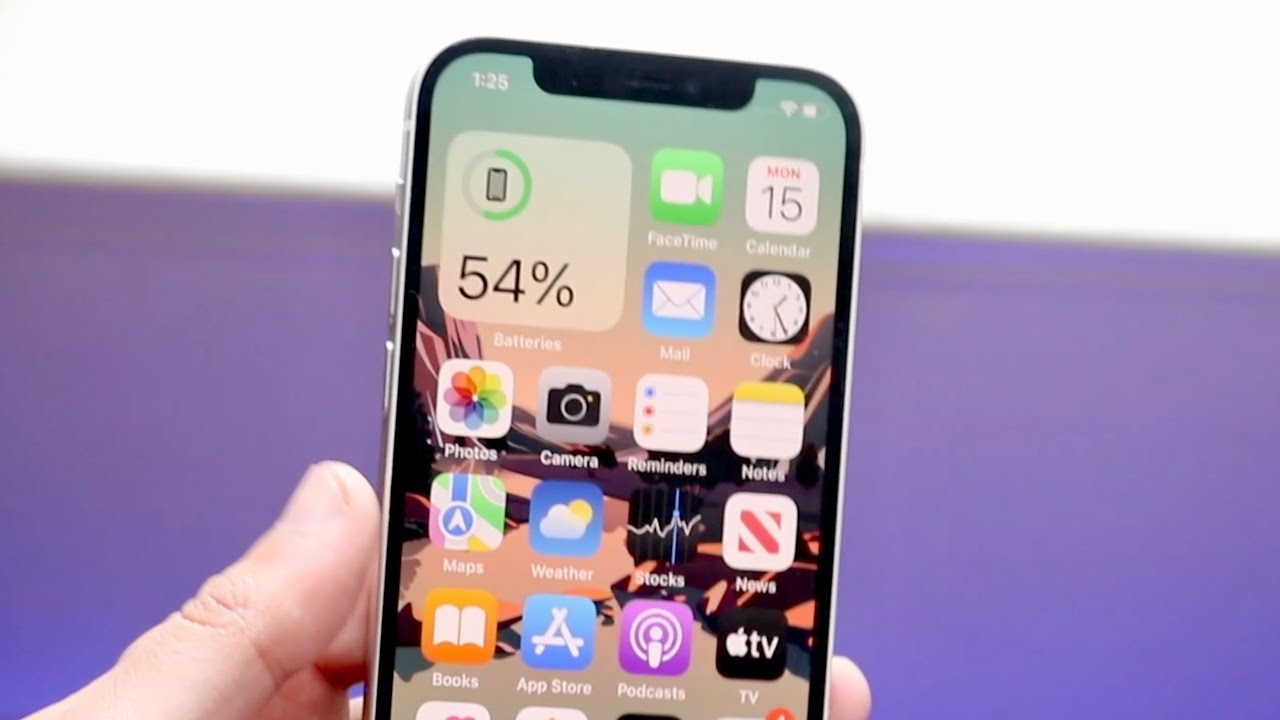
Three methods. Pick the one that fits what you actually need.
Method A: Display Zoom (makes everything bigger)
- Open Settings > Display & Brightness
- Tap Display Zoom (or View on older iOS versions)
- Select Zoomed
- Tap Set in the upper right corner
- Your iPhone restarts. Done. Icons, buttons, text, all of it is bigger now
Method B: Text Size (bigger text only, icons stay the same)
- Open Settings > Display & Brightness > Text Size
- Drag the slider to the right to increase
- For even larger text: Settings > Accessibility > Display & Text Size > Larger Text, then toggle it on and drag the slider
Method C: Accessibility Zoom (magnify any part of the screen on demand)
- Open Settings > Accessibility > Zoom
- Toggle Zoom on
- Double-tap with three fingers to zoom in or out anywhere on screen
- Drag three fingers to move around while zoomed
Quick note
Not all apps respond to text size changes. Apps that support Apple’s Dynamic Type will adjust automatically. Older or custom-built apps might ignore your settings entirely. Display Zoom is the most reliable option if you want everything bigger across the board.
Understanding iPhone Display Settings
Your iPhone’s display settings control how content appears across the system. The Settings app houses all size-related configurations under Display & Brightness and Accessibility sections.
iOS treats app sizing through multiple layers. System preferences affect native Apple apps immediately. Third-party apps from the App Store may or may not respect these changes (depends on how developers coded them).
The hierarchy works like this: system-wide settings take priority over per-app preferences unless an app overrides them with custom UI/UX design choices.
Display & Brightness manages your screen’s basic appearance. Brightness levels, text size, display zoom mode, and view preferences all live here. These settings persist across iOS updates and device restarts.
Accessibility features provide additional visual accommodations beyond standard options. Larger accessibility sizes push text and buttons even bigger than the regular maximum. Bold text, button shapes, and reduced transparency also improve visual clarity.
Dynamic Type enables apps to scale text based on your preferences. Apps built following Apple’s Human Interface Guidelines automatically adjust when you change text size settings. Older apps or those with fixed layouts won’t respond.
Method One: Using Display Zoom
Display Zoom enlarges your entire iPhone interface, including app icons, buttons, text, and system elements. This setting gives you a zoomed view that makes everything proportionally bigger.
Open Settings, tap Display & Brightness, then select View under Display Zoom. You’ll see two preview options: Standard and Zoomed. Standard shows the default iPhone layout. Zoomed displays fewer items per screen but makes each element larger.
Tap Zoomed, then Set in the upper right. Your iPhone will restart to apply the change (takes about 10 seconds).
After the restart, your Home Screen shows bigger app icons in a tighter grid. Safari displays fewer tabs. Mail shows larger message previews. Most apps adapt automatically.
Compatible iPhone models: Display Zoom works on iPhone 6 Plus and newer models. The iPhone SE (all generations) also supports this feature. Older devices lack the resolution needed for zoomed mode.
Display Zoom affects your screen real estate significantly. You’ll see less content per screen because everything’s enlarged. Some users find this trade-off worthwhile. Others prefer seeing more information at once.
To revert: Settings > Display & Brightness > View > Standard > Set. Your iPhone restarts again to switch back.
Method Two: Text Size Adjustment
Text Size controls how large readable content appears in apps without changing icon sizes or interface elements. This approach targets typography specifically.
Navigate to Settings > Display & Brightness > Text Size. Drag the slider right to increase size, left to decrease. Changes apply immediately to compatible apps.
The standard range includes seven size steps. Most people use the middle setting (fourth position). Apps supporting Dynamic Type respond to this slider across the system.
For even larger text: Settings > Accessibility > Display & Text Size > Larger Text. Toggle on Larger Accessibility Sizes. The slider now extends to eleven additional size steps beyond the standard maximum.
Per-app settings arrived in iOS 15. Settings > Accessibility > Per-App Settings lets you customize text size for individual apps. Tap Add App, select one, then adjust its text size independently from system defaults.
This per-app approach works well when you need bigger text in Mail or Messages but prefer standard sizing in Safari or social media apps.
Native Apple apps (Mail, Messages, Notes, Safari, Calendar) fully support text size changes. Third-party apps vary. Many popular apps honor Dynamic Type. Games and apps with custom interfaces often ignore system text settings.
Check if an app supports Dynamic Type by changing your text size while the app is open. If nothing changes, the developers didn’t implement Apple’s text scaling APIs during iOS development.
Method Three: Accessibility Zoom
Accessibility Zoom magnifies your screen on demand using gestures. Unlike Display Zoom (which is permanent), this feature activates only when you need it.
Settings > Accessibility > Zoom > toggle Zoom on. Your screen now supports magnification gestures.
Double-tap three fingers anywhere to zoom in. The entire screen or a movable window enlarges (depending on your chosen mode). Double-tap three fingers again to zoom out.
Full Screen Zoom magnifies your entire display. Drag three fingers to pan around. The whole interface moves as one enlarged canvas.
Window Zoom creates a movable magnification rectangle. The rest of your screen stays normal size. Drag the window handle to reposition it. This mode lets you magnify small text while keeping context visible around it.
The Zoom Controller appears as a small floating button when Zoom is active. Tap it for quick access to zoom controls, filters, and region selection. You can hide, show, or reposition this controller.
Adjust maximum zoom level in Zoom settings (100% to 1500%). Higher magnification helps with tiny text but requires more panning to see everything.
Zoom Region switches between Full Screen and Window modes quickly. Open the Zoom Controller, tap Choose Region. Some people keep Window Zoom active all day for reading fine print.
Three-finger gestures control everything: double-tap to toggle zoom, triple-tap to show the controller, three-finger drag to pan.
Smart Typing automatically switches to Window Zoom when your keyboard appears (prevents the magnified keyboard from blocking text fields).
Zoom Filter options include Inverted, Grayscale, Grayscale Inverted, and Low Light. These filters combine with magnification for better visibility in different scenarios.
App-Specific Considerations
Native Apple apps (Safari, Mail, Messages, Photos, Calendar) respect all system-wide display settings immediately. These apps follow Apple’s design standards completely.
Third-party apps behave inconsistently. Apps following Dynamic Type scale text properly. Apps with custom interfaces might ignore your text size preferences entirely.
Games almost never respond to iOS display settings. Most games lock their interface at specific sizes regardless of your accessibility preferences. The developers control everything through their own custom app development choices.
Social media apps vary widely. Instagram and TikTok use mostly fixed layouts. Twitter/X partially supports text scaling. Facebook responds to some text size changes but not all interface elements.
Banking and finance apps typically support accessibility features better than entertainment apps. Regulations push financial institutions toward better accessibility compliance.
Apps with heavy custom graphics (streaming services, photo editors, design tools) rarely scale beyond their intended size. Their interfaces depend on specific pixel dimensions.
Check App Store descriptions for “Supports Dynamic Type” or accessibility mentions. Developers who care about text scaling usually highlight it.
Display Accommodation Features
Bold Text makes all system fonts heavier and easier to distinguish. Settings > Display & Text Size > Bold Text. Your iPhone restarts to apply this change.
Works independently from text size adjustments. You can combine bold text with larger sizes for maximum readability.
Button Shapes adds visible outlines to tappable elements. Settings > Accessibility > Display & Text Size > Button Shapes. Helps identify interactive elements when touch targets aren’t obvious.
Larger Text extends beyond standard text size limits. Settings > Accessibility > Display & Text Size > Larger Text, then toggle Larger Accessibility Sizes. Adds eleven extra size steps above the normal maximum.
Reduce Motion minimizes animations and screen transitions. Settings > Accessibility > Motion > Reduce Motion. Some people find this makes their iPhone feel more responsive while using zoom features.
Increase Contrast makes colors more distinct. Settings > Accessibility > Display & Text Size > Increase Contrast. Combines well with text size changes for better visual clarity.
Differentiate Without Color adds icons and labels to color-coded interfaces. Useful when apps rely on color alone to communicate information.
Reduce Transparency removes blur effects from backgrounds. Settings > Accessibility > Display & Text Size > Reduce Transparency. Makes text easier to read against solid backgrounds instead of translucent ones.
Troubleshooting Common Issues
Apps not responding to zoom settings usually means the developers didn’t implement Apple’s accessibility APIs. Nothing you can do except contact the app developer or switch apps.
Distorted content happens when Display Zoom encounters apps designed only for standard resolution. Some older apps never updated their layouts. They’ll show stretched graphics or cut-off elements in zoomed mode.
Layout breaking after size changes affects poorly coded apps. Well-designed apps handle text size changes gracefully. Bad ones overlap text, hide buttons, or create unreadable interfaces.
Switch to Window Zoom instead of Full Screen Zoom if panning around feels disorienting. Window Zoom keeps context visible while magnifying specific areas.
Performance impacts rarely occur on iPhone 11 and newer models. Older devices (iPhone 8, iPhone X) might lag slightly when using maximum zoom levels with many apps open.
Force-quit misbehaving apps after changing display settings. Settings changes don’t always register in already-open apps. Double-tap home button or swipe up from bottom, then swipe away the app.
Restart your iPhone if text size changes aren’t applying consistently. Hold Side button and Volume button, slide to power off, wait 30 seconds, power back on.
Control Center remains unchanged by most display settings. iOS keeps Control Center at standard size for quick access even in zoomed mode.
Third-party keyboards might not scale properly with text size changes. Apple’s default keyboard always adjusts correctly.
iOS Version Differences
iOS 15 introduced Per-App Settings for text size. Earlier versions only offered system-wide changes.
iOS 16 improved Dynamic Type support across system apps. Mail and Messages got better text scaling.
iOS 17 added more granular control for Larger Accessibility Sizes. The slider extends further than previous versions.
Display Zoom existed since iPhone 6 Plus (iOS 8). The feature hasn’t changed much, but more apps support it now.
Accessibility Zoom improvements came gradually. iOS 13 added the Zoom Controller redesign. iOS 14 improved Smart Typing behavior.
Older iOS versions (iOS 12 and earlier) lack Per-App Settings entirely. You’re stuck with system-wide text size only.
Check Settings > General > Software Update to see your current iOS version. Newer versions generally handle app scaling better through improved mobile application development frameworks.
When to Use Each Method
Display Zoom works best for permanent changes affecting everything. You want bigger icons, buttons, and text everywhere without exceptions.
Ideal for people who consistently struggle with small interfaces. Not great if you frequently switch between preferring large and normal sizes.
Text Size suits reading-focused needs. Messages, Mail, Safari, Notes all become easier to read. Icons and buttons stay normal size.
Perfect when you only care about readable content. Graphics, photos, and interface elements remain sharp at their original dimensions.
Accessibility Zoom handles temporary magnification needs. Reading fine print on forms, viewing detailed images, checking tiny labels on screenshots.
Best for occasional use rather than constant magnification. You zoom in, read what you need, zoom out, continue normally.
Combine methods for specific scenarios. Display Zoom plus increased text size gives maximum enlargement. Accessibility Zoom plus text size changes work well for reading-heavy tasks.
Vision impairment severity determines which approach makes sense. Mild issues respond well to just text size changes. Moderate to severe cases benefit from Display Zoom or constant Accessibility Zoom usage.
Battery life stays roughly the same across all methods. Display settings don’t significantly impact power consumption on modern iPhones.
Try this progression: Start with text size adjustment only. Still struggling? Add Display Zoom. Need more? Enable Accessibility Zoom for specific situations. Stack them until you find comfortable visibility.
FAQ on How To Make Certain Apps Bigger On iPhone
Can I make only certain apps bigger without affecting others?
Yes, using Per-App Settings in iOS 15 and later. Go to Settings > Accessibility > Per-App Settings, add specific apps, then adjust text size individually. Display Zoom affects everything system-wide, but text size can be customized per app.
Does making apps bigger drain my iPhone battery faster?
No. Display settings like Display Zoom, text size adjustments, and Accessibility Zoom don’t significantly impact battery life on modern iPhones. These are visual rendering changes, not processor-intensive features that drain power.
Why don’t some apps get bigger when I change display settings?
Apps with custom interfaces often ignore iOS system settings. Developers must implement Apple’s Dynamic Type and accessibility APIs during mobile app development. Games and apps with fixed layouts won’t respond to your adjustments.
Will Display Zoom make my iPhone slower?
Not on iPhone 11 or newer models. Older devices like iPhone 8 might experience slight lag with maximum zoom levels and multiple apps open. Most users notice no performance difference with Display Zoom enabled.
Can I zoom in temporarily without changing permanent settings?
Yes, Accessibility Zoom does exactly this. Enable it in Settings > Accessibility > Zoom, then double-tap three fingers to zoom in anywhere. Double-tap again to return to normal view. Perfect for reading fine print occasionally.
Does increasing text size affect app icons on the Home Screen?
No. Text size adjustments only change readable content within apps. App icons remain their standard size. Use Display Zoom instead if you want bigger icons on your Home Screen and throughout the interface.
Which method is best for reading emails and messages?
Text Size adjustment works best for reading-focused apps. Navigate to Settings > Display & Brightness > Text Size and drag the slider right. Mail, Messages, and Safari will display larger, more readable fonts immediately.
Can I use Display Zoom and increased text size together?
Absolutely. Combining Display Zoom with larger text size gives maximum enlargement. The settings stack for people needing significant visual accommodations. Add Bold Text for even better readability across your entire iPhone interface.
Why does my keyboard look weird after enabling zoom?
Smart Typing in Accessibility Zoom automatically switches to Window Zoom when your keyboard appears. This prevents the magnified keyboard from blocking text fields. You can disable Smart Typing in Zoom settings if preferred.
Do third-party apps from the App Store support these features?
It varies. Apps following Apple’s Human Interface Guidelines typically support Dynamic Type and accessibility features. Check App Store descriptions for “Supports Dynamic Type” or contact developers directly about accessibility support.
Conclusion
Knowing how to make certain apps bigger on iPhone transforms your daily device interaction. Whether you choose Display Zoom for permanent system-wide changes, text size adjustments for reading comfort, or Accessibility Zoom for temporary magnification, iOS provides flexible solutions.
Your specific needs determine the best approach. Vision impairment severity, which apps you use most, and whether you need constant or occasional enlargement all factor into your decision.
Start with simple text size changes through Display & Brightness settings. Stack additional accessibility features like Bold Text or increased contrast as needed. Most iPhone users find their ideal configuration within minutes of experimenting.
Don’t settle for squinting at tiny interfaces when Apple built these tools directly into your device for better viewing experiences.
If you liked this article about how to make certain apps bigger on iPhone, you should check out this article about how to keep Spotify playing while using other apps on iPhone.
There are also similar articles discussing how to hide an app on iPhone, how to clear your cache on iPhone, how to detect spyware on iPhone, and how to delete app data on iPhone.
And let’s not forget about articles on how to sync iPad and iPhone apps, how to retrieve deleted apps on iPhone, how to stop iPhone from listening, and how to transfer data from iPhone to Samsung.

- Notepad++ Android Options: Apps That Come Close - October 21, 2026
- Data Management Services: A Practical Guide for Growing Companies - October 21, 2026
- MongoDB Cheat Sheet - October 20, 2026


