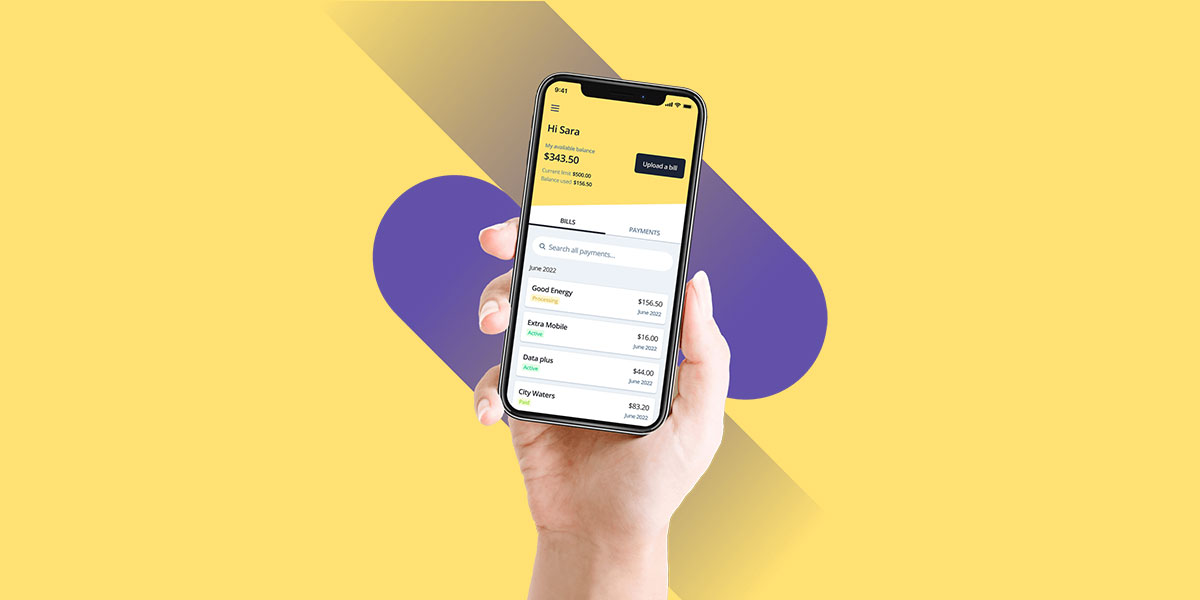
Zebit works well until it doesn’t have what you need.
The closed marketplace, the limited product range, the prices running above retail — these are real trade-offs. And for shoppers with limited credit who need flexible payment options, settling for the wrong platform costs more than just money.
There are solid apps like Zebit that offer no credit check shopping, installment payment plans, and in some cases, actual credit building. Some work at thousands of external retailers. Others report your payments to all three credit bureaus, something Zebit never does.
This guide covers the 10 best alternatives, how their payment structures compare, which ones approve you without a hard inquiry, and how to match the right app to your specific situation.
Apps Like Zebit
The buy now pay later market is hitting $687 billion in transaction value by 2028, up from $334 billion in 2024 (IT Path Solutions). That growth is real, and the options have multiplied fast.
Zebit works well for shoppers with limited credit who want a no-interest, no-fee installment plan on a closed marketplace. But it has limits. Product selection is narrow, prices run higher than retail, and it doesn’t report payments to credit bureaus.
The 10 apps below cover the same ground, and several go further. Some build credit. Some work at thousands of retailers. A few offer lease-to-own for people credit checks reject entirely.
Perpay
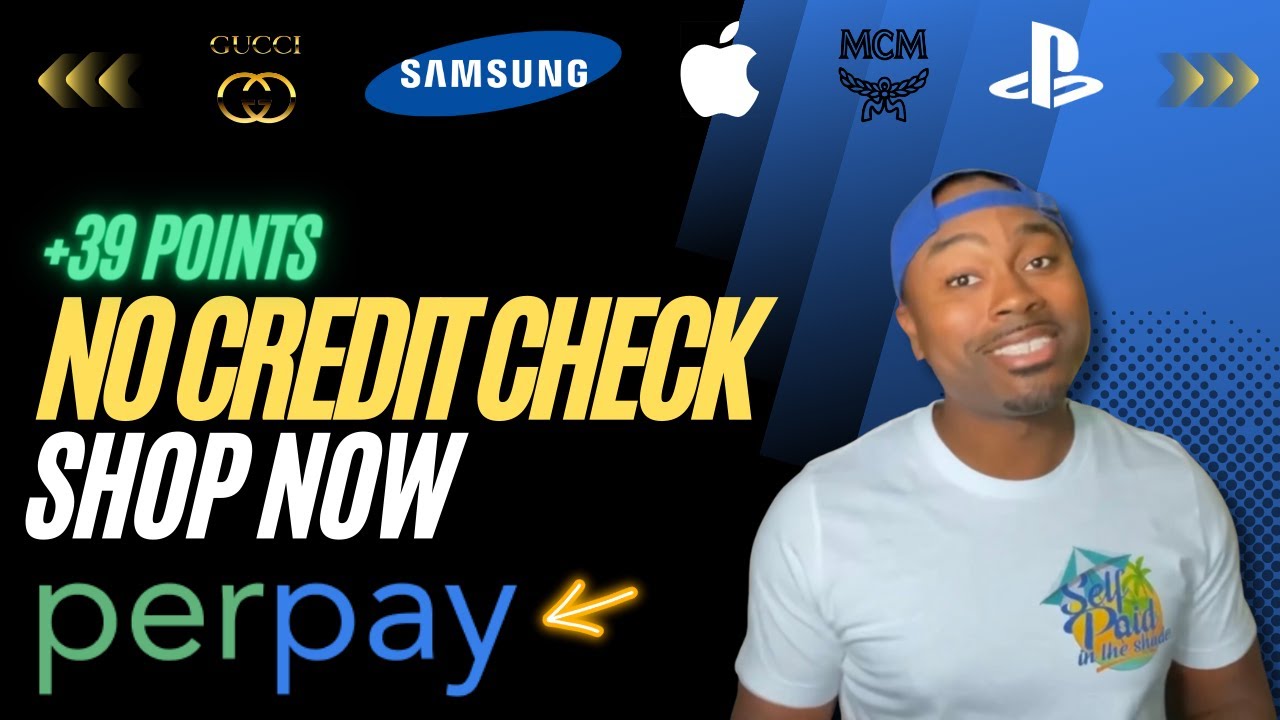
Perpay is a payroll-linked BNPL marketplace app that lets shoppers buy electronics, furniture, and household goods through automatic paycheck deductions, targeted at W-2 employees with limited or poor credit.
It ties payments directly to your paycheck rather than your bank account, and supports iOS and Android.
What Does Perpay Do?
Perpay lets users shop a branded marketplace and repay purchases through automatic deductions from their direct deposit paycheck, with no interest or late fees.
How Is Perpay Similar to Zebit?
- Both operate closed marketplaces (you shop within the app, not at external retailers)
- Both offer interest-free installment plans with no hidden fees
- Both target shoppers with low or no credit history, using soft checks only
How Is Perpay Different from Zebit?
Perpay requires full-time W-2 employment with direct deposit. Zebit does not tie payments to your paycheck.
Perpay offers credit building via the optional Perpay+ plan ($3/month), which reports on-time payments to Experian, Equifax, and TransUnion after 4 months. Zebit does not report to any bureau.
Perpay also offers a Mastercard credit card (starting limit up to $1,500) for qualifying users. Zebit has no equivalent product.
Who Is Perpay Best For?
Full-time W-2 employees with poor credit who want to build their credit score while shopping, without paying interest or fees.
Key Features of Perpay
- Spending limit: Up to $1,000 on signup; increases with on-time payments
- Repayment: Automatic payroll deduction, bi-weekly or per paycheck
- Credit building: Perpay+ reports to all 3 bureaus; average score increase of 39 points (Perpay data)
- Credit card: Mastercard with 3% cash back for qualifying users
- No fees: No interest, no late fees, no application fees
Pricing
- Free plan: Yes, marketplace access is free
- Perpay+: $3/month for credit reporting
- Free trial: No
If you’re comparing other apps similar to Perpay, the payroll deduction model is fairly unique in the BNPL space.
Affirm
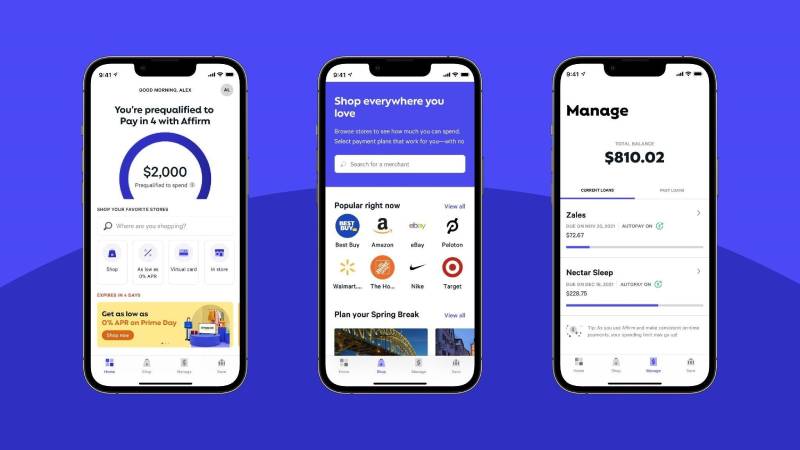
Affirm is a point-of-sale financing app that offers transparent installment plans for purchases ranging from $50 to $20,000, available at over 245,000 merchant partners across the US.
It supports iOS, Android, and a Chrome extension.
What Does Affirm Do?
Affirm lets users split purchases into 4 bi-weekly interest-free payments or choose monthly plans from 3 to 60 months, with APR ranging from 0% to 36% depending on the purchase and credit profile.
How Is Affirm Similar to Zebit?
Both offer installment payment plans with no hidden fees and no mandatory credit score minimums.
Both use soft credit checks during application, so your score stays unaffected at signup.
Both target shoppers who need flexible payment options for electronics and home goods.
How Is Affirm Different from Zebit?
| Feature | Affirm | Zebit |
| Merchant network | 245,000+ partners | Closed marketplace only |
| Credit reporting | Yes (Experian, as of April 2025) | No |
| Max financing | $20,000 | $2,500 |
| Longer-term plans | Up to 60 months | Up to 6 months |
Who Is Affirm Best For?
Shoppers making larger purchases (furniture, electronics, travel) who want transparent pricing, no surprise fees, and access to thousands of retail partners instead of a closed marketplace.
Key Features of Affirm
- Pay in 4: 4 bi-weekly payments, 0% interest, no fees
- Monthly plans: 3 to 60 months, 0%–36% APR
- Affirm Card: Works anywhere Visa is accepted in the US
- Credit reporting: Reports to Experian and TransUnion since April 2025
Pricing
- Free plan: Yes; Pay in 4 is always free
- Monthly plans: 0%–36% APR depending on creditworthiness
- Free trial: No
For a broader look at apps like Affirm across different use cases, there are several strong options depending on your credit situation and preferred merchant network.
Klarna
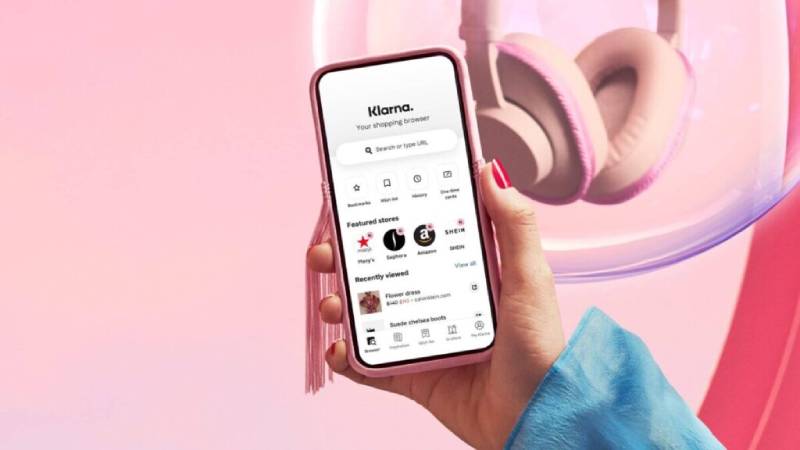
Klarna is a global fintech shopping credit app offering multiple buy now pay later options, used by 100 million+ active users across 45 countries and integrated with hundreds of thousands of retailers.
Available on iOS and Android.
What Does Klarna Do?
Klarna lets users split purchases into 4 interest-free bi-weekly payments, defer payment for 30 days, or choose monthly financing from 6 to 24 months at 0%–35.99% APR.
How Is Klarna Similar to Zebit?
Both offer interest-free installment plans with no hard credit inquiry on short-term options.
Both serve shoppers who want flexible consumer financing without relying on traditional credit cards.
Both support electronics, home goods, and apparel purchases.
How Is Klarna Different from Zebit?
Klarna works across a massive open merchant network rather than a closed marketplace. You’re not limited to Klarna’s own store.
Klarna also offers a virtual card, price drop alerts, and a browser extension for comparison shopping. Zebit offers none of these.
Late fees apply on Klarna (up to $7 per missed payment). Zebit charges no late fees at all.
Who Is Klarna Best For?
Shoppers who want payment flexibility across a wide range of retailers, including fashion, electronics, and travel, without being locked into a single marketplace.
Key Features of Klarna
- Pay in 4: 4 bi-weekly payments, 0% interest
- Pay in 30: Defer full payment for 30 days interest-free
- Monthly financing: 6–24 months, 0%–35.99% APR
- Virtual card: Shop at non-partner stores
- Klarna Plus: Subscription tier with added perks
Pricing
- Free plan: Yes; Pay in 4 and Pay in 30 are free
- Late fee: Up to $7 per missed payment, capped at 25% of order value
- Monthly plans: 0%–35.99% APR
- Free trial: No
Afterpay
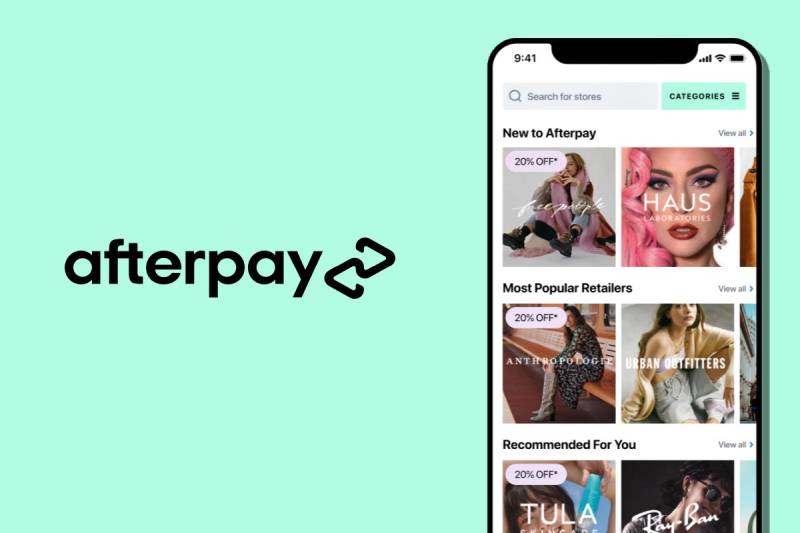
Afterpay is a buy now pay later consumer financing app built around a single, simple model: 4 equal interest-free payments over 6 weeks, used by 16 million+ active users with 122,000+ merchant partners globally.
Available on iOS and Android.
What Does Afterpay Do?
Afterpay splits any qualifying purchase into 4 equal bi-weekly installments at 0% interest, with the first payment due at checkout and no credit check required.
How Is Afterpay Similar to Zebit?
No interest, no credit check on standard purchases. Both approve shoppers regardless of credit history.
Both focus on making consumer goods accessible through deferred payment without upfront full costs.
How Is Afterpay Different from Zebit?
Afterpay works at thousands of external retailers. Zebit is limited to its own marketplace.
Afterpay’s repayment window is 6 weeks max. Zebit stretches up to 6 months. For larger purchases, Zebit’s timeline is more comfortable.
Afterpay does not report payments to credit bureaus. Neither does Zebit. Credit building is not a feature of either.
Who Is Afterpay Best For?
Frequent shoppers with smaller-ticket purchases who want zero interest and zero fees at a wide range of fashion, beauty, and retail stores.
Key Features of Afterpay
- Payment model: 4 equal bi-weekly payments, always 0% interest
- Approval: Soft credit check, identity verification only
- Late fee: Capped at 25% of order value
- In-store use: Yes, via virtual card in Apple Pay or Google Pay
Pricing
- Free plan: Yes; no interest or setup fees
- Late fee: Capped at 25% of order value
- Free trial: No
Sezzle
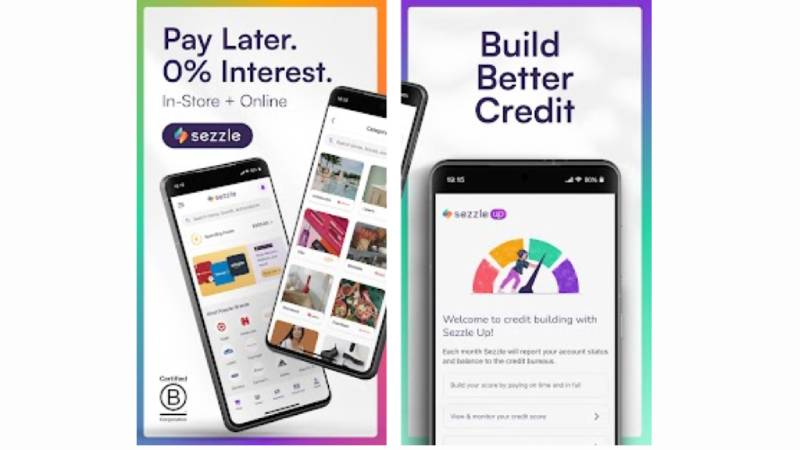
Sezzle is a no credit check shopping BNPL app that splits purchases into 4 interest-free payments over 6 weeks, with an optional credit-building program that reports to all 3 major bureaus.
Available on iOS and Android. Primarily serves the US and Canada.
What Does Sezzle Do?
Sezzle lets users split purchases between $150 and $15,000 into 4 interest-free payments, with optional monthly plans from 3 to 48 months at 0%–34.99% APR for larger amounts.
How Is Sezzle Similar to Zebit?
Both use soft credit checks that won’t affect your score. Both target shoppers with limited credit access who need flexible payment plan options for everyday goods.
How Is Sezzle Different from Zebit?
Sezzle’s virtual card works both online and in-store across a wide open merchant network. Zebit is marketplace-only.
Sezzle Up, the optional credit reporting tier, reports payments to all 3 bureaus. That’s a meaningful difference for anyone trying to build a credit history while shopping.
Sezzle may charge small service fees (up to $5.99) and missed-payment fees. Zebit charges none.
Who Is Sezzle Best For?
Budget-conscious shoppers with poor or thin credit who want interest-free installments and the option to actively report payments to credit bureaus.
Key Features of Sezzle
- Pay in 4: 4 interest-free payments over 6 weeks
- Monthly plans: 3–48 months, 0%–34.99% APR
- Sezzle Up: Reports to all 3 credit bureaus
- Purchase range: $150–$15,000
- Virtual card: Works online and in-store
Pricing
- Free plan: Yes; Pay in 4 is free
- Service fee: Up to $5.99 per transaction in some cases
- Monthly plans: 0%–34.99% APR
- Free trial: No
There are quite a few apps similar to Sezzle if you need credit reporting or broader retailer access than Sezzle currently provides.
FlexShopper
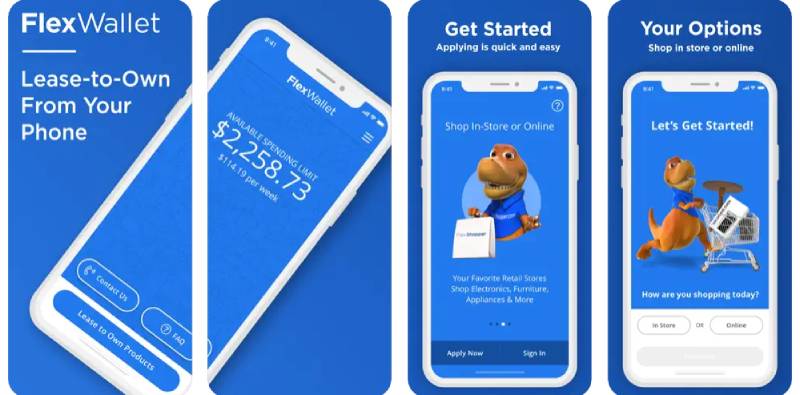
FlexShopper is a lease-to-own online marketplace that lets users take home products immediately through weekly lease payments, without a traditional credit check.
It offers over 100,000 products across electronics, furniture, appliances, and more. Available via web and app.
What Does FlexShopper Do?
FlexShopper lets users lease products with weekly payments and the option to purchase outright at the end of the lease term, using income and banking stability rather than credit score for approval.
How Is FlexShopper Similar to Zebit?
No traditional credit check required. Both approve users who would likely be rejected elsewhere.
Both operate as closed marketplaces where you shop directly on the platform. Both target shoppers with limited credit options for electronics and household goods.
How Is FlexShopper Different from Zebit?
FlexShopper uses a lease-to-own model. You don’t own the product until the lease is complete. With Zebit, you own it immediately.
FlexShopper requires weekly payments. Zebit works on a monthly schedule. Depending on your cash flow, one or the other may fit better.
FlexShopper does not report payments to credit bureaus. Zebit doesn’t either, so no advantage on either side here.
Who Is FlexShopper Best For?
Shoppers who have been denied everywhere else and need essential appliances or electronics now, and can manage weekly lease payments without building up credit.
Key Features of FlexShopper
- Product catalog: 100,000+ items including Best Buy and Amazon products
- Approval: Based on income and banking stability, not credit score
- FlexWallet: Lets you lease items found on other websites
- Payment protection: Waiver against involuntary unemployment
- Early buyout: Option to purchase before lease end
Pricing
- Free plan: No upfront membership fees
- Lease cost: Can run 1.5–2x retail price over full term
- Early buyout: Available; reduces total cost significantly
- Free trial: No
Fingerhut
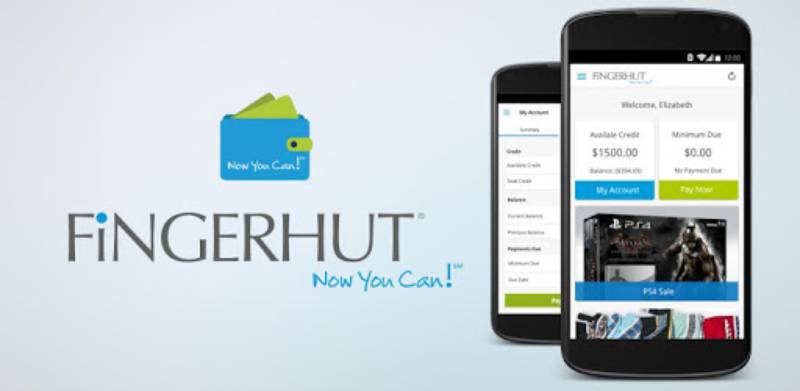
Fingerhut is a revolving credit account retail platform that lets users buy over 47,000 products on credit and repay through monthly installments, specifically designed for people building or rebuilding credit.
Available via web; financing provided through WebBank.
What Does Fingerhut Do?
Fingerhut extends a revolving credit line to shoppers who may have been denied elsewhere, lets them buy immediately from a catalog of 47,000+ products, and reports all payment activity to Equifax, Experian, and TransUnion.
How Is Fingerhut Similar to Zebit?
Both are closed-marketplace platforms designed for shoppers who can’t qualify for traditional financing.
Both carry higher prices than regular retail as a trade-off for accessibility. That’s worth knowing upfront.
How Is Fingerhut Different from Zebit?
Credit reporting: Fingerhut reports to all 3 bureaus. Zebit does not report at all. For anyone trying to rebuild credit, that’s a significant difference.
Fingerhut operates as a revolving credit line, not a fixed installment plan. You can make minimum payments and carry a balance, similar to a credit card, but interest applies on unpaid balances.
Fingerhut has a larger catalog (47,000+ products vs. Zebit’s narrower selection) and 3.6 million monthly visitors, making it one of the most established platforms in this category.
Who Is Fingerhut Best For?
Shoppers with bad or thin credit who want to actively rebuild their credit score through regular on-time purchases on a wide-catalog retail platform.
Key Features of Fingerhut
- Credit reporting: All 3 bureaus (Equifax, Experian, TransUnion)
- Catalog: 47,000+ products across 19 categories
- Account type: Revolving credit line via WebBank
- Filters: Shop by price per month, brand, color, and more
- No annual fee: No monthly or yearly account fees
Pricing
- Free plan: Yes; no account fees
- Interest: Applies on unpaid revolving balances
- Late fees: Yes, on missed monthly payments
- Free trial: No
PayPal Pay Later

PayPal Pay Later is a BNPL feature built into the PayPal ecosystem, offering Pay in 4 (interest-free) and Pay Monthly (up to 24 months), available wherever PayPal is accepted online.
Available on iOS, Android, and desktop via the PayPal app and browser.
What Does PayPal Pay Later Do?
PayPal Pay Later lets users split online purchases into 4 bi-weekly interest-free payments (Pay in 4) or monthly plans from 3 to 24 months for purchases between $199 and $10,000.
How Is PayPal Pay Later Similar to Zebit?
No hard credit inquiry on Pay in 4. Both use soft checks only.
Both offer interest-free short-term installment payment options with no application fees.
How Is PayPal Pay Later Different from Zebit?
PayPal Pay Later is not a marketplace. It layers onto millions of existing PayPal-integrated retailers instead.
Pay in 4 is online-only (no in-store use on this plan). Pay Monthly expanded to physical stores in late 2025.
PayPal carries massive brand trust and buyer protection built into every transaction. Zebit has no equivalent buyer protection layer.
Who Is PayPal Pay Later Best For?
Existing PayPal users who want seamless BNPL at stores they already shop online, without creating a new account or app.
Key Features of PayPal Pay Later
- Pay in 4: 4 bi-weekly payments, 0% interest, no fees
- Pay Monthly: 3, 6, 12, or 24 months; APR applies on longer plans
- Purchase range: Pay Monthly requires $199–$10,000
- No late fees: No penalty fees (though missed payments may go to collections)
- Buyer protection: Built-in via PayPal’s standard dispute system
Pricing
- Free plan: Yes; Pay in 4 is completely free
- Pay Monthly: Interest-bearing plans available
- Late fees: None, but missed payments may be sent to collections
- Free trial: No
Katapult

Katapult is a lease-to-own point-of-sale financing app that approves users based on banking activity rather than credit scores, available at thousands of retail partner stores for electronics, furniture, and appliances.
Available on iOS and Android.
What Does Katapult Do?
Katapult provides lease-to-own financing at retail checkouts, letting users take products home immediately with weekly or bi-weekly lease payments and a 90-day early buyout option at near-retail pricing.
How Is Katapult Similar to Zebit?
No traditional credit check required. Both serve shoppers who fall outside standard BNPL approval criteria.
Both focus on durable goods categories: electronics, appliances, and household items.
How Is Katapult Different from Zebit?
Katapult works at partner retail stores, not a proprietary marketplace. It integrates directly at checkout for brands like Best Buy and Walmart partners.
It’s a lease, not a purchase. Like FlexShopper, you own the item only after completing the agreement or buying out early.
Full-term lease costs can run 1.5x to 2x retail. The 90-day early buyout is the key feature to take advantage of if possible.
Who Is Katapult Best For?
Shoppers with no credit or very poor credit who need essential electronics or appliances now and plan to pay off within the 90-day window to avoid excess cost.
Key Features of Katapult
- Approval: No traditional credit check; based on banking activity
- 90-day buyout: Pay near-retail price within 90 days to save significantly
- Payment cadence: Weekly or bi-weekly lease payments
- Retail integration: Available directly at thousands of partner checkouts
Pricing
- Free plan: No membership fees
- Lease cost: Up to 2x retail if paid over full term
- Early buyout: 90-day option at near-retail pricing
- Free trial: No
Snap Finance

Snap Finance is a lease-to-own and installment loan platform that approves users with poor or no credit for up to $5,000, available at 150,000+ partner stores online and in-person.
Available on iOS and Android. Founded in 2012.
What Does Snap Finance Do?
Snap Finance provides lease-to-own financing, installment loans, and retail installment contracts up to $5,000, using factors beyond credit score for approval and offering a 100-day early payoff option that saves significantly on total cost.
How Is Snap Finance Similar to Zebit?
Both accept applicants who don’t qualify for traditional financing. Both focus on durable goods like furniture, electronics, and appliances.
How Is Snap Finance Different from Zebit?
| Feature | Snap Finance | Zebit |
| Max approval | $5,000 | $2,500 |
| Merchant access | 150,000+ partner stores | Closed marketplace |
| 100-day payoff | Yes, saves substantially | No equivalent option |
| Interest on longer plans | Can reach triple digits | None (always 0%) |
Snap’s longer-term plans carry significantly higher costs. Paying off within the 100-day window is critical to keeping costs reasonable.
Who Is Snap Finance Best For?
Shoppers with poor or no credit who need to finance up to $5,000 at a physical or online retail store and can commit to repaying within the 100-day early payoff window.
Key Features of Snap Finance
- Approval amount: Up to $5,000
- Merchant network: 150,000+ stores online and in-person
- 100-day option: Pay near-retail within 100 days to save on fees
- Approval speed: Decision in seconds
- No credit needed: Income and banking data used for approval
Pricing
- Free plan: No membership fees
- 100-day option: Near-retail cost if paid in full within 100 days
- Longer plans: Can reach triple-digit APR after 100-day window
- Free trial: No
Comparing Apps Like Zebit: A Quick Overview
Around 91 million Americans are expected to use BNPL services in 2025, with adoption growing nearly 6% year over year (Spocket). Not all these apps serve the same person.
Here’s how the 10 options stack up across the things that matter most for Zebit-style shoppers.
| App | Model | Credit Check | Builds Credit | Open Network |
| Perpay | Payroll BNPL | Soft | Yes (Perpay+) | No |
| Affirm | POS financing | Soft/Hard | Yes | Yes |
| Klarna | BNPL + monthly | Soft | Partial | Yes |
| Afterpay | Pay in 4 | Soft | No | Yes |
| Sezzle | Pay in 4 + monthly | Soft | Yes (Sezzle Up) | Yes |
| FlexShopper | Lease-to-own | None | No | No |
| Fingerhut | Revolving credit | Soft/Hard | Yes (all 3) | No |
| PayPal Pay Later | Pay in 4 + monthly | Soft | No | Yes |
| Katapult | Lease-to-own | None | No | Yes (partners) |
| Snap Finance | Lease-to-own + loans | Soft | Partial | Yes (150k+) |
If credit building is the goal, Fingerhut, Perpay+, and Sezzle Up are the top three. If you need the widest retailer access, Affirm and Klarna cover the most ground. If you have no credit at all and need something now, Katapult and Snap Finance are the most accessible, though the long-term cost is higher.
There are also broader categories worth exploring. Some people in this situation look into fintech apps that combine shopping credit with savings tools or cash advance features, which can be useful alongside a BNPL account.
What Makes an App Work Like Zebit?
Zebit sits in a specific corner of the consumer financing market. It’s not a standard BNPL app, not a lease-to-own platform, and not a credit card. It’s a closed marketplace where you shop, spend your credit limit, and pay back over six months at zero interest.
That combination is narrower than most people realize. Most apps in this space share some of these attributes but not all of them.
Four core attributes define what makes an app truly like Zebit:
- No traditional credit check required for approval
- Installment-based payment structure with predictable amounts
- Access to physical goods (electronics, furniture, home goods) through the platform
- Zero or low interest on standard repayment terms
The CFPB confirmed that most BNPL underwriting uses only a soft inquiry, which does not affect credit scores. That’s a key reason this category appeals to consumers who have been turned away by traditional lenders.
According to the Federal Reserve’s 2024 household survey, 72% of BNPL users with income under $50,000 said BNPL was the only way they could afford the purchase. That context matters for understanding who these apps actually serve.
Two subcategories exist within this space. Knowing which one fits your situation matters before you apply.
| Type | Examples | Key Trait |
| Marketplace-first installment | Zebit, Perpay, Fingerhut, FlexShopper | Shop only within the platform |
| Open network BNPL | Affirm, Klarna, Afterpay, Sezzle | Use at thousands of external retailers |
One more attribute separates these apps in a way most people overlook: credit reporting. Zebit does not report payments to any bureau. Some alternatives do. If building a credit history matters to you, that distinction changes which app you should pick.
How Do Zebit Alternatives Differ in Payment Structure and Cost?
The BNPL purchase volume in the US hit $109 billion in 2024 and is projected to reach $122.3 billion in 2025, according to Capital One Shopping research. That scale means competition has pushed most short-term plans to 0% interest. The differences show up in repayment timelines, fees, and total cost over longer terms.
Average BNPL loan size is just $135 over six weeks (CFPB data), while traditional installment loans average $800 over 8-9 months. Zebit-type apps sit between these two extremes, covering mid-range purchases like appliances and electronics over one to six months.
| App | Model | Short-term interest | Late fee |
| Zebit | 6-month installment | 0% | None |
| Afterpay / Klarna Pay in 4 | 4 payments / 6 weeks | 0% | Up to 25% / $7 |
| Affirm monthly | 3–60 months | 0%–36% APR | None |
| FlexShopper / Katapult | Lease-to-own, weekly | 1.5x–2x retail (full term) | Varies |
| Snap Finance | Lease/loan, up to $5k | Near-retail within 100 days | Triple-digit APR after window |
The lease-to-own cost risk is real. FlexShopper and Katapult can cost 1.5x to 2x retail price over the full lease term. Snap Finance’s longer plans have been reported to carry triple-digit APR beyond the 100-day early buyout window (Finder review data).
Pay in 4 plans from Afterpay, Klarna, Sezzle, and PayPal Pay in 4 all deliver genuine 0% interest on short-term installments. Those are the cleanest options for smaller purchases if you can pay within six weeks.
The CFPB reported that 4.1% of BNPL loans were assessed a late fee in 2023, down from 5.2% in 2022. Late fees remain a real cost for a portion of users, especially on platforms where they are not capped.
Which Apps Like Zebit Work Without a Credit Check?
The Federal Reserve Bank of Boston found that BNPL use is significantly higher among financially vulnerable consumers, including those with lower credit scores, lower incomes, and no existing credit card access. These are the same people Zebit targets. Not every alternative actually approves them.
Here’s how the approval process breaks down across the main options.
Apps That Approve With No Credit History at All
No traditional credit check: FlexShopper and Katapult both skip the credit score entirely. Approval is based on income verification and active banking activity.
Snap Finance operates the same way, approving up to $5,000 based on income and bank data rather than credit score.
- FlexShopper: requires steady income and an active checking account
- Katapult: banking activity and debit card stability used for approval
- Snap Finance: low income requirements, decision in seconds
Perpay is the exception in this group. It requires full-time W-2 employment with direct deposit. Gig workers and self-employed applicants are excluded entirely, which is a real limitation compared to Zebit.
Apps That Use Soft Checks Only
Soft check = no score impact. The CFPB confirmed that most BNPL underwriting involves only a soft inquiry, not a hard pull.
Afterpay, Klarna Pay in 4, Sezzle, and PayPal Pay in 4 all use soft checks. Affirm also uses soft checks for its Pay in 4 option but may run a hard inquiry on larger monthly financing plans.
The practical implication: applying to any of these for a standard Pay in 4 purchase will not appear on your credit report and will not lower your score.
Borrowers with deep-subprime scores (below 580) had a 3.5% BNPL default rate in 2022, nearly double the average, according to Motley Fool Money’s analysis of CFPB data. That’s the risk profile these apps are designed to serve, but it also means some platforms are tightening their criteria in response to rising delinquencies.
Do Any Apps Like Zebit Report Payments to Credit Bureaus?
Most BNPL Pay in 4 products do not report to the major credit bureaus, confirmed by the CFPB. Zebit is consistent with that norm. It does not report to Equifax, Experian, or TransUnion under any circumstances.
That creates a gap for users who want to use installment shopping as a path to better credit. Three alternatives fill that gap directly.
Full reporting apps:
- Fingerhut: Reports to all 3 bureaus on every purchase, making it one of the most effective credit-building tools in this category
- Perpay+: Reports to Equifax, Experian, and TransUnion after 4 months of on-time payments exceeding $200 (Perpay official data)
- Sezzle Up: Optional program that reports to all 3 bureaus when enrolled
- Affirm: Reports to Experian and TransUnion for all loan types as of April 2025
Perpay’s own data shows customers with a baseline score below 550 averaged a 30+ point increase in year one of using Perpay+. The broader Perpay+ user base averaged a 39-point increase overall.
TransUnion research from mid-2024 found that three in four BNPL users believe using BNPL will positively impact their credit score. That expectation is currently wrong for most Pay in 4 apps, though Affirm’s April 2025 policy change starts to shift that reality.
FICO announced in June 2025 that it will integrate BNPL data into its FICO Score 10 and 10 T models, using a joint study with Affirm covering 500,000+ users. The change is designed to aggregate multiple BNPL loans rather than penalize users for frequency (CNN). That will make responsible usage of any reporting BNPL app more valuable over time.
Non-reporting apps: Afterpay, FlexShopper, Katapult, and PayPal Pay in 4 do not report under standard use. Klarna began reporting Term Loan data to TransUnion in September 2024, but its Pay in 4 and Pay in 30 plans are still not reported.
What Can You Buy Through Apps Like Zebit?
Home and furniture is the most popular BNPL spending category: 42% of users make these purchases through installment plans, according to Capital One Shopping research. Electronics follow closely, with 44% of BNPL consumers using the service for tech purchases (Empower data).
What you can actually buy depends heavily on whether the app runs a closed marketplace or an open retailer network.
Closed marketplace apps (Zebit, Perpay, Fingerhut, FlexShopper) carry their own catalog. You shop only on their platform.
- Fingerhut: 47,000+ products across 19 categories, including movies and TV series
- FlexShopper: 100,000+ products, including items from Best Buy, Amazon, and Overstock via FlexWallet
- Perpay: curated brand-name selection, primarily electronics, furniture, and apparel
Open network apps work at external retailers. Affirm covers 245,000+ merchants. Klarna spans 500,000+ retailers in 45 countries. Afterpay, Sezzle, and PayPal Pay Later each connect to thousands of partner stores across fashion, electronics, and home goods.
The product price trade-off is worth knowing upfront. Closed marketplace platforms (Zebit, Perpay, Fingerhut) price their products higher than standard retail. That markup is the effective cost of accessibility. Fingerhut finances through WebBank and prices products at a premium specifically because it approves applicants other lenders decline.
FlexShopper’s FlexWallet feature partially bridges the closed/open gap. It lets users lease products found on other websites, not just items in the FlexShopper catalog. For someone who needs a specific model of appliance that FlexShopper doesn’t stock directly, that matters.
How Do You Choose the Right App Based on Your Situation?
The CFPB found that 66% of BNPL users take out multiple loans simultaneously, and 31% say they have lost track of what they owe (Empower research). Stacking multiple lease-to-own agreements from FlexShopper and Katapult at the same time is one of the fastest ways to create payment overlap that strains your budget.
Use this framework based on your actual situation.
| Your situation | Best fit | Key reason |
| No credit, need goods now, can pay weekly | Katapult or Snap Finance | Pay off within 90-100 days to avoid excess cost |
| Bad credit, W-2 employed, want credit building | Perpay+ or Fingerhut | Both report to all 3 bureaus |
| Bad credit, self-employed or gig worker | Sezzle Up or Afterpay | No employment requirement; Sezzle Up builds credit |
| Fair credit, want wider retailer access | Affirm or Klarna | 245,000+ and 500,000+ merchants respectively |
Two specific rules apply to lease-to-own options (Snap Finance and Katapult). Both offer near-retail pricing if you pay off within the first 90 to 100 days. Miss that window by even a week and total cost can approach double the retail price. Plan for the early buyout before you apply.
One check to run before applying to any app: confirm whether it reports to credit bureaus, and confirm whether it accepts your income type. Perpay rejects gig workers. FlexShopper and Katapult accept them. That single factor eliminates or includes entire platforms based on how you earn.
Finally, consider what this type of consumer financing looks like alongside other fintech apps that combine budgeting tools, earned wage access, or cash advances with BNPL. For some users, a broader financial tool set is more useful than a standalone shopping credit line.
If apps like Possible Finance or apps like Albert are already part of how you manage short-term cash needs, adding a Zebit-style shopping credit app alongside them covers both spending flexibility and emergency liquidity.
FAQ on Apps Like Zebit
What is the closest app to Zebit?
Perpay is the closest alternative. Both operate as closed marketplaces with no interest installment plans and no hard credit check. Perpay adds payroll-linked payments and an optional credit-building feature Zebit doesn’t offer.
Do apps like Zebit require a credit check?
Most use a soft credit check that doesn’t affect your score. FlexShopper and Katapult skip traditional credit checks entirely, approving based on income and banking activity. Perpay requires W-2 employment with direct deposit.
Which buy now pay later app works best for bad credit?
Afterpay and Sezzle approve users regardless of credit history using soft checks only. For the worst credit situations, FlexShopper and Katapult are the most accessible since they don’t use credit scores at all.
Can you build credit with apps like Zebit?
Zebit does not report to any credit bureau. Fingerhut, Perpay+, and Sezzle Up report to all three. Affirm began reporting to Experian and TransUnion in April 2025. These are the best options for building credit while shopping.
What apps let you shop now and pay later with no credit check?
FlexShopper, Katapult, and Snap Finance all offer no credit check shopping through lease-to-own models. Afterpay and Sezzle use soft checks only. None of these require a hard inquiry that could lower your score.
Is Zebit the same as a buy now pay later app?
Not exactly. Zebit is a closed marketplace with a six-month installment plan, closer to Perpay or Fingerhut than to Afterpay or Klarna. Standard BNPL apps work at external retailers. Zebit limits you to its own product catalog.
What is the best app for lease-to-own electronics with no credit?
Katapult and FlexShopper are the top options. Both approve based on income rather than credit score. Pay off within the 90-day early buyout window to avoid costs reaching 1.5x to 2x the retail price over the full lease term.
How does Fingerhut compare to Zebit?
Fingerhut offers a revolving credit line across 47,000+ products and reports payments to all three bureaus. Zebit offers a fixed spending limit and zero credit reporting. Fingerhut is better for credit building. Zebit charges no interest on purchases.
Which apps like Zebit work for self-employed or gig workers?
Perpay excludes gig workers entirely since it requires W-2 direct deposit. Afterpay, Sezzle, FlexShopper, Katapult, and Klarna all accept self-employed applicants. Snap Finance also approves based on banking activity rather than employment type.
Are there apps like Zebit that work at any store?
Yes. Affirm covers 245,000+ merchants. Klarna works at 500,000+ retailers in 45 countries. Both offer open network access far beyond any closed marketplace. Sezzle’s virtual card and Klarna’s virtual card also work at non-partner stores.
Conclusion
This article on apps like Zebit covered ten consumer financing platforms across every major category: open network BNPL, payroll-linked installment plans, revolving credit accounts, and lease-to-own services.
The right choice depends on three things: your credit situation, your income type, and whether credit building is part of the goal.
Perpay and Fingerhut suit W-2 employees who want bureau reporting. Afterpay and Sezzle work for gig workers who need flexible payment plans without employment verification. Katapult and Snap Finance handle the zero-credit cases, provided you pay off within the early buyout window.
No single platform wins across every use case. But with the right match, no credit check shopping doesn’t have to mean paying twice the retail price or missing a chance to improve your financial standing.

- How to Run a React App in VS Code Step by Step - October 23, 2026
- Transactional or marketing email: which messages your app should send itself - October 23, 2026
- How Software Teams Write SOPs for Releases and Deployments - October 22, 2026