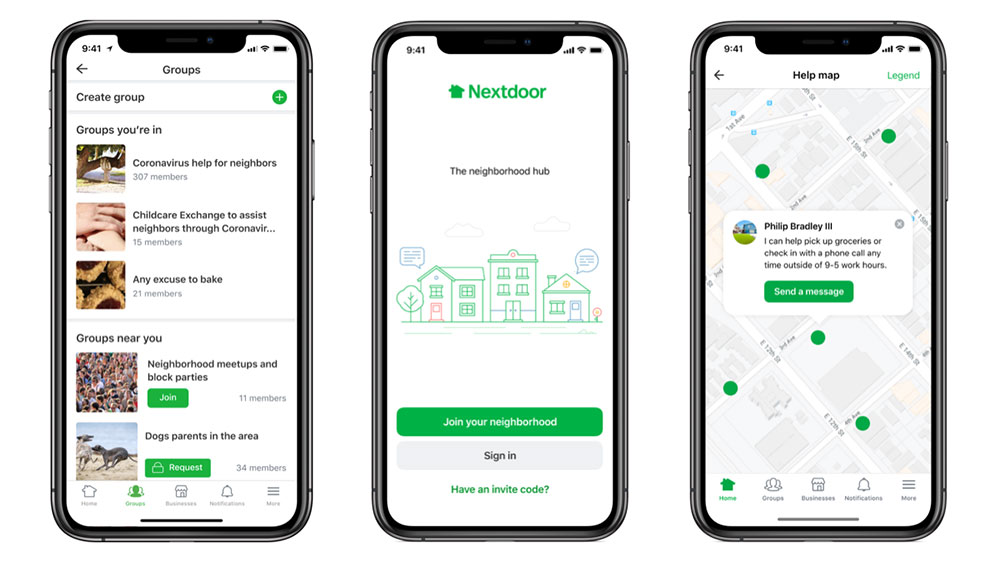
Monkey built its reputation on one idea: tap a button, meet a stranger, see what happens.
But weak age verification, inconsistent moderation, and removal from the Apple App Store have pushed millions of users to look for apps like Monkey that actually hold up.
The options are better than most people expect. Some offer real-time translation, stricter content moderation, and interest-based matching that Monkey never had.
This guide covers the top alternatives for random video chat with strangers, broken down by what each app does best, who it suits, and what it costs.
Apps Like Monkey
Yubo
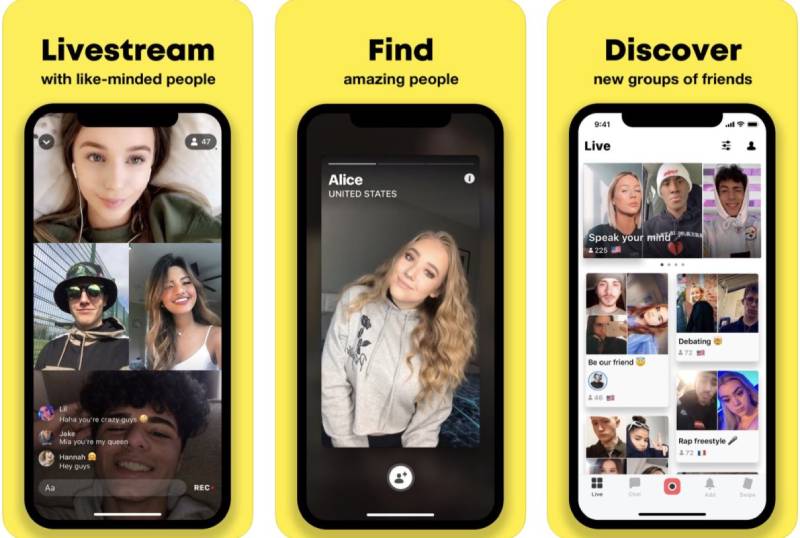
Yubo is a social discovery app that lets Gen Z users connect through live video streams and swipe-based matching. It goes beyond one-on-one random video chat by building interest-based communities, and supports iOS and Android.
What Does Yubo Do?
Yubo lets users host or join live streams with up to 10 participants, swipe to match with people nearby or globally, and chat based on shared interest tags like gaming, music, or studying.
How Is Yubo Similar to Monkey?
Both apps target users under 25. Both use swipe-to-match for finding new people and offer real-time video interaction. Yubo also integrates Snapchat-style profile features, similar to Monkey’s original social layer.
How Is Yubo Different from Monkey?
Yubo adds live group streaming for up to 10 users, which Monkey does not. It requires age verification through real-time selfie matching, removing a large share of fake profiles. Monkey focuses on quick 1-on-1 stranger chats; Yubo builds longer community connections.
Who Is Yubo Best For?
Yubo suits users aged 13-25 who want community-driven video chat with moderation, rather than pure anonymous stranger matching.
Key Features of Yubo
- Live streaming: Up to 10 participants, unlimited viewers
- Age verification: Real-time selfie matching on signup
- Interest-tag system for community matching
- Private and group chats after matching
- iOS and Android, no desktop app
Pricing
- Free plan: Yes – full access to swiping, streams, and chats
- Paid plans: “Keys” currency for premium features (earned free or purchased in-app)
- Free trial: No paid subscription tier required
OmeTV

OmeTV is a random video chat platform that pairs users instantly for anonymous one-on-one conversations with strangers globally. No account needed. Available on web, iOS, and Android.
What Does OmeTV Do?
OmeTV connects users to random strangers worldwide via live video, with region and gender filters, real-time AI moderation, and an instant swipe-to-skip function. No signup required to start.
How Is OmeTV Similar to Monkey?
| Feature | OmeTV | Monkey |
| Random matching | Yes | Yes |
| Anonymous chat | Yes | Yes |
| Teen-friendly | Moderated | 18+ policy |
| Free to use | Fully free | Freemium |
How Is OmeTV Different from Monkey?
OmeTV runs on web browsers, iOS, and Android without any account creation. Monkey requires a profile linked to Snapchat or phone number. OmeTV also operates across 100+ countries with language support, while Monkey skews heavily toward US-based teen audiences.
Who Is OmeTV Best For?
OmeTV suits users who want fast, anonymous video chat with strangers without creating an account or committing to a social profile.
Key Features of OmeTV
- No registration required: Start chatting immediately
- Region and gender filters
- Real-time AI moderation with anti-nudity detection
- Available in 100+ countries
Pricing
- Free plan: Yes – full core access
- Paid plans: Premium unlocks ad-free experience and extended filters
- Free trial: No, free tier is permanent
Holla
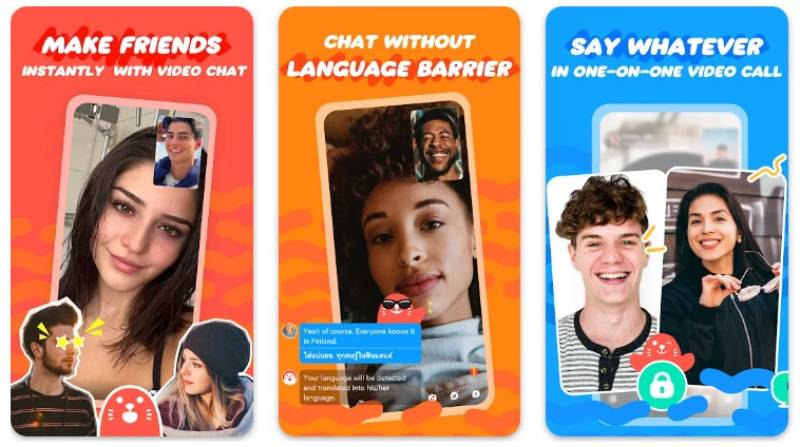
Holla is a mobile-first video chat app that connects users to strangers through swipe-based matching, real-time translation, and AI moderation. It runs on iOS and Android across 190+ countries.
What Does Holla Do?
Holla matches users for live face-to-face video chats using a Tinder-style swipe interface. It blurs your screen by default until you choose to reveal yourself, adding a layer of control that most random chat apps skip.
How Is Holla Similar to Monkey?
Both Holla and Monkey use swipe-to-match for spontaneous video connections. Both target younger mobile users looking for casual social interaction with strangers. Basic matching is free on both platforms.
How Is Holla Different from Monkey?
Holla includes real-time voice and text translation, letting users connect across language barriers. It also has a 24/7 moderation team. Monkey relies more on Snapchat integration for profile context, while Holla keeps interactions more standalone.
Who Is Holla Best For?
Holla suits users who want fast anonymous video chat with strangers but prefer some privacy controls and translation support built in from the start.
Key Features of Holla
- Screen blur by default: Users reveal themselves voluntarily
- Real-time translation for cross-language chats
- Swipe-to-match interface
- 24/7 human moderation team
- AR face filters during video calls
Pricing
- Free plan: Yes – random matching and basic chat are free
- Paid plans: “Gems” in-app currency for gender filters and extended features
- Free trial: No formal trial; free tier is ongoing
Azar
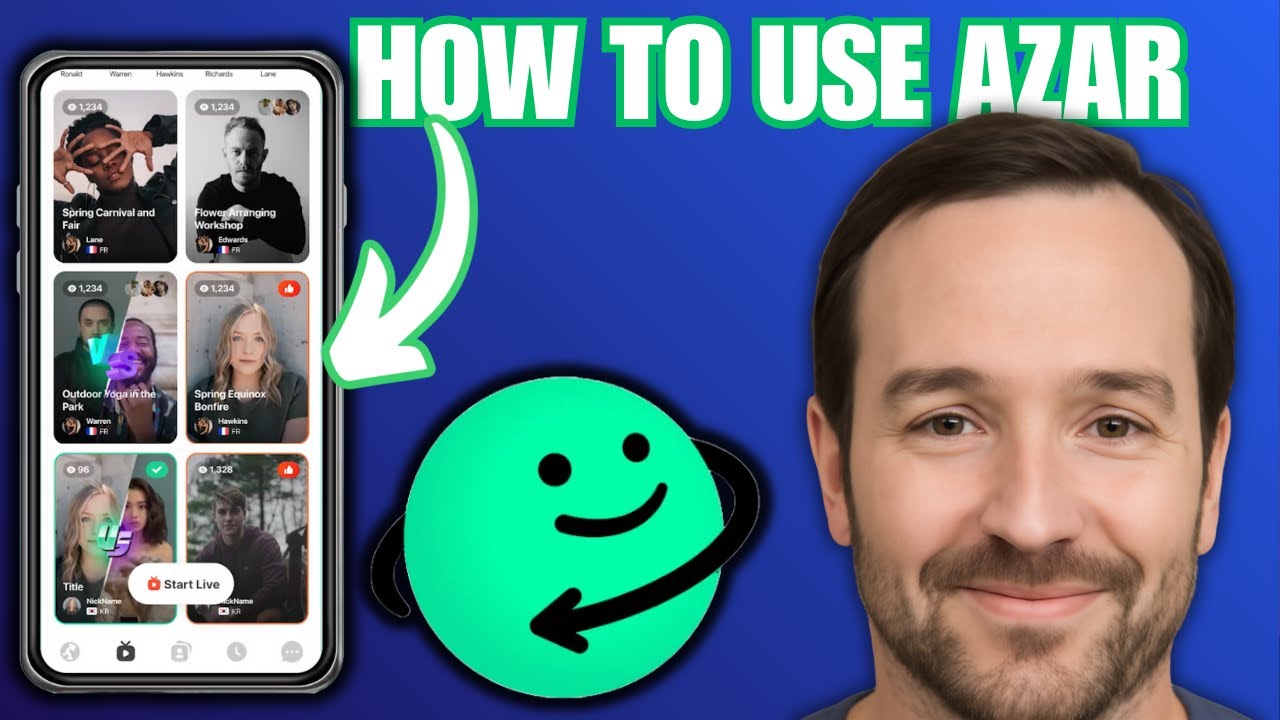
Azar is a global video chat app built by Hyperconnect that connects users through AI-powered matching and real-time language translation. It has logged over 100 billion video chat matches. Available on iOS and Android.
What Does Azar Do?
Azar instantly pairs users for one-on-one live video chats, translating conversations in real time across language barriers. Users can filter by gender and region, record chats, and customize profiles with AR effects and backgrounds.
How Is Azar Similar to Monkey?
Both apps offer instant stranger video calls with a swipe-to-skip mechanic. Both target a young, mobile-first audience. Free tiers on both cover core random matching without requiring paid upgrades.
How Is Azar Different from Monkey?
Azar operates at a significantly larger global scale, with 500 million+ total installs. Its real-time translation is a core feature, not an add-on. Monkey leans on Snapchat profile integration for context; Azar builds its own profile layer with hashtags, photos, and interest matching.
Who Is Azar Best For?
Azar suits users who want cross-cultural peer-to-peer video chat with language support, especially users connecting across Asia, Europe, and the Middle East.
Key Features of Azar
- Real-time translation: Covers dozens of languages during live calls
- Gender and region filters
- AI-powered matching based on activity and interests
- Profile customization with AR effects and backgrounds
- Optional social media login (Apple, Google, Facebook)
Pricing
- Free plan: Yes – basic random video matching is free
- Paid plans: Azar Plus at $10.99/month, Premium at $22.99/month, Supreme at $114.99/month
- Free trial: No
Emerald Chat

Emerald Chat is a browser-based random video chat platform focused on safety, interest matching, and clean design. No download needed. Accessible on web, with a mobile app available for premium users.
What Does Emerald Chat Do?
Emerald Chat connects users for text and video chats based on shared interest tags. Its “Karma” system rewards good behavior and restricts users who get reported, keeping the platform cleaner than most anonymous chat sites.
How Is Emerald Chat Similar to Monkey?
Both platforms let users connect with strangers instantly for live video interaction. Both are free to start. Both draw a younger audience looking for online social interaction without needing to know someone in advance.
How Is Emerald Chat Different from Monkey?
| Feature | Emerald Chat | Monkey |
| Platform | Browser-first | Mobile app |
| Matching method | Interest tags | Random + Snapchat |
| Moderation system | Karma + AI | Basic reporting |
| Group chat | Yes | No |
Who Is Emerald Chat Best For?
Emerald Chat suits users who want moderated, interest-based random chats without downloading an app, and who prioritize safer interactions over pure spontaneous matching.
Key Features of Emerald Chat
- Karma system: Behavior-based scoring restricts bad actors
- Interest tag matching for more relevant connections
- Group text chat rooms
- Virtual masks for anonymous video
- Strict age verification and AI moderation
Pricing
- Free plan: Yes – full video and text chat access
- Paid plans: Emerald Gold at $5.89/month, Platinum at $12.89/month
- Free trial: No
Camsurf

Camsurf is a free random video chat app known for strict real-time moderation and no-registration access. It connects users across 200+ countries instantly. Available on web, iOS, and Android.
What Does Camsurf Do?
Camsurf pairs users for live video chats without requiring sign-up. Its AI moderation is unusually aggressive, flagging and banning users for covering faces or behaving suspiciously, which keeps the chat environment noticeably cleaner than most platforms.
How Is Camsurf Similar to Monkey?
Both offer free random video call access with no subscription required for basic use. Both connect users to strangers globally with location-based filtering options. Neither requires long setup before you can start chatting.
How Is Camsurf Different from Monkey?
Camsurf has zero monetization pressure – no upsells, no coins, no paywalls during chats. Monkey uses Snapchat profile integration and targets teens specifically. Camsurf skews toward users who just want a clean, fast connection without platform gamification.
Who Is Camsurf Best For?
Camsurf suits users who want the fastest, cleanest anonymous video calling experience with no account, no ads during chats, and strong moderation.
Key Features of Camsurf
- Aggressive AI moderation: Flags face-hiding and suspicious behavior in seconds
- Language and location filters
- No signup or registration required
- Available in 200+ countries
- Lightweight, works well on slower connections
Pricing
- Free plan: Yes – fully usable for free, no paywalls
- Paid plans: Premium unlocks gender filter and ad-free experience
- Free trial: No, free tier is permanent
BIGO Live

BIGO Live is a live streaming and random video chat platform with 400 million global users. It blends audience broadcasting with casual stranger connections. Available on iOS and Android.
What Does BIGO Live Do?
BIGO Live lets users broadcast live to global audiences, receive virtual gifts from viewers, and join random video chats with strangers. Hosts can earn real income through the platform’s diamond-to-cash conversion system.
How Is BIGO Live Similar to Monkey?
Both apps offer live video chat connections with strangers on mobile. Both have active younger user bases and free core access. BIGO Live’s random chat feature mirrors Monkey’s spontaneous connection mechanic, just inside a larger streaming ecosystem.
How Is BIGO Live Different from Monkey?
BIGO Live is primarily a content creation platform with a monetization economy. Monkey is purely social, with no creator economy. BIGO users can earn $150-$10,000+ monthly through virtual gifts; Monkey has no equivalent income model. BIGO also supports desktop streaming through its Connector software.
Who Is BIGO Live Best For?
BIGO Live suits users who want to build an audience, meet people online through live streams, or earn income from broadcasting, rather than just casual one-on-one stranger chats.
Key Features of BIGO Live
- Virtual gift economy: Viewers send diamonds convertible to real cash
- Multi-guest live streams and PK battles
- Random video chat feature alongside streaming
- Creator program with tiered monthly payouts
- Available in 150+ countries
Pricing
- Free plan: Yes – streaming and random chat are free
- Paid plans: Diamond purchases start at around $0.99; Premium Account at $499/year for gifters
- Free trial: No
Chatroulette

Chatroulette is one of the original random stranger video chat platforms, still active and free. No account required. Accessible via web browser, with optional mobile use.
What Does Chatroulette Do?
Chatroulette connects users to random strangers worldwide for instant video chats with one click. It has added facial recognition to require a visible face before a match connects, cutting down on inappropriate use.
How Is Chatroulette Similar to Monkey?
Both platforms match users to strangers instantly for live video. Both are free with no required signup. Both draw users specifically looking for chat with random people rather than a curated social network.
How Is Chatroulette Different from Monkey?
Chatroulette is browser-based and older, with no mobile-native experience. It uses a “Quids” currency for some features and has interest-based filters by themes like gaming or music. Monkey is purely mobile and integrates with Snapchat profiles for social context that Chatroulette completely skips.
Who Is Chatroulette Best For?
Chatroulette suits users who want the classic, no-frills Chatroulette alternative experience with basic filtering, no account setup, and no app install.
Key Features of Chatroulette
- Facial recognition gate: Requires visible face before matching
- Interest-based theme filters (gaming, travel, music)
- No registration required
- Large international user base
Pricing
- Free plan: Yes – fully free core access
- Paid plans: “Quids” in-app currency for premium features
- Free trial: No formal trial; free tier is permanent
LivU

LivU is a mobile-first random video chat app that adds beauty filters, stickers, and real-time translation to the stranger chat experience. Available on iOS and Android.
What Does LivU Do?
LivU pairs users for face-to-face video chats with strangers, offering gender and age filters, in-app virtual gifts, and a swipe-to-like mechanic. Its beauty filter tools and special effects make it more expressive than basic random chat apps.
How Is LivU Similar to Monkey?
Both LivU and Monkey offer free video call access to strangers on mobile, with swipe mechanics and interest-based browsing. Both free tiers cover core random matching without forcing an upgrade.
How Is LivU Different from Monkey?
LivU leans more toward casual dating and flirtatious connections, with virtual gifts and “like” mechanics that signal interest. Monkey positions itself as purely social and friend-focused. LivU also has more robust real-time translation, making it more globally accessible than Monkey’s US-heavy user base.
Who Is LivU Best For?
LivU suits users who want spontaneous video messaging strangers with expressive filters and light dating features, especially on mobile.
Key Features of LivU
- Beauty filters and AR effects during live video
- Real-time translation for cross-language chats
- Gender and age-based matching filters
- Virtual gifts and in-app economy
- Swipe-to-like for continued connections
Pricing
- Free plan: Yes – anonymous video chatting is free
- Paid plans: In-app coin purchases for premium filters and extended chat time
- Free trial: No
Chatspin

Chatspin is a modern random video chat app with a mobile-first interface, gender and location filters, and AR face masks. Available on web, iOS, and Android.
What Does Chatspin Do?
Chatspin connects users for random HD video chats, allowing filtering by gender and location before matching. Users can apply face masks and filters during calls. No account is required to start, and anonymous chat mode is available throughout.
How Is Chatspin Similar to Monkey?
Both apps use a random matching algorithm for instant live video connections. Both run on iOS and Android with free core access. Both attract a younger audience looking for spontaneous, mobile-first stranger interactions.
How Is Chatspin Different from Monkey?
Chatspin supports web and mobile equally, while Monkey is app-only. Chatspin’s face mask feature and polished UI make it feel more like a social app than a utility. It also has broader gender and location filters upfront, whereas Monkey’s filters are more limited in the free tier.
Who Is Chatspin Best For?
Chatspin suits users who want teen social networking-style random video chat with some personalization controls and a clean interface, on any device.
Key Features of Chatspin
- AR face masks: Applied during live video chats
- Gender and location filters before matching
- HD video quality with anonymous chat mode
- Web and mobile access without registration
- Right-swipe interface for intuitive matching
Pricing
- Free plan: Yes – core video chat is free
- Paid plans: Freemium model with premium upgrades for extended filters and ad removal
- Free trial: No formal trial period
What Is the Monkey App?
Monkey is a random video chat app that pairs users for 15-second live video calls with strangers. It was built in 2016 by five teenagers in California and positioned as speed dating for friends.
The core mechanic is simple: open the app, hit start, get matched. If both users want to continue, they extend the timer or connect on Snapchat. That Snapchat integration was always central to how Monkey worked.
Monkey originally targeted Gen Z teens and young adults. Its TikTok-style energy and Snapchat-style social identity layer made it feel familiar to younger audiences, which drove fast growth.
| Attribute | Details |
| App | Monkey |
| Launched | 2016, Los Angeles |
| Core feature | 15-second random 1-on-1 video chat |
| Social layer | Snapchat profile integration |
| Platform | Android, web browser (removed from App Store) |
| User base | 30+ million users worldwide |
After Omegle shut down in November 2023, Monkey’s user base doubled within a month, according to Bitdefender. That surge brought new scrutiny alongside new users.
Apple removed Monkey from the App Store after The Washington Post reported that 2% of iOS reviews described unwanted sexual encounters. Monkey still runs on Android and via web browser at monkey.cool on iOS.
The app officially requires users to be 18+. There is no age verification. Anyone can enter a fake birthdate and access the platform.
Organizations including Protect Young Eyes, the UK-based Safer Schools safeguarding app, and the iNECE Safeguarding Group have each issued formal safety alerts about Monkey. Common Sense Media recommends it only for ages 17 and up, though the practical age floor is effectively zero.
That combination of rapid growth, weak moderation, and no age gate is exactly why searches for Monkey app alternatives have accelerated since late 2023.
What Makes a Good Alternative to Monkey?
Not every random video chat app is a real substitute. A genuine Monkey alternative needs to replicate the core experience: instant live video matching with strangers, swipe-to-skip, and enough users to avoid dead queues.
Beyond that core, the criteria that actually separate good from bad alternatives are concrete and measurable.
| Criteria | What to Look For | Why It Matters |
| Moderation type | AI + human review | Limits explicit content in real-time |
| Age verification | Real-time photo matching or ID check | Keeps minors off 18+ platforms |
| Platform access | iOS, Android, or web | Determines who can actually use it |
| Free core features | Random matching free, filters optional | Avoids paywalling the basic use case |
Yubo is a useful reference point here. It introduced real-time selfie verification that eliminates a large share of fake profiles, something Monkey never built. That single feature changes the quality of the peer-to-peer video chat experience significantly.
Platforms also differ on audience design. Camsurf and OmeTV are built for fully anonymous interactions with no profile required. Azar builds a full social identity layer. Emerald Chat uses interest tags. Each serves a different version of the same core need.
The right alternative depends on what you actually found frustrating about Monkey, not just which app has the most downloads.
Are Apps Like Monkey Safe?
Random video chat carries inherent risk. Matches are strangers. Video can be screen-recorded without consent. Moderation reacts to violations rather than preventing them.
Cyberbullying prevalence among U.S. teens reached 26.5% in 2023, up from 16.7% in 2016, according to PACER. Apps with anonymous matching and no profile accountability tend to make this worse, not better.
Which apps like Monkey are safest for teens?
Yubo is the clearest outlier in this category. Its real-time selfie verification matches your face to your profile photo on signup, which Bitdefender and Common Sense Media both cite as meaningfully reducing fake accounts.
Emerald Chat uses a karma system that restricts users who collect reports. OmeTV applies real-time AI with anti-nudity detection. Camsurf bans users who cover their face or behave suspiciously, sometimes within 30 seconds.
Pew Research found 46% of teens have experienced cyberbullying. Apps built with proactive moderation rather than reactive reporting change that risk profile substantially for younger users.
For users under 18, the genuinely safer options are:
- Yubo (age verification, community focus, under-25 design)
- Emerald Chat (karma scoring, interest-based matching, strict moderation)
- Camsurf (AI moderation, no signup required, aggressive banning)
What safety features do these apps use?
Real-time face verification: Yubo requires a live selfie that matches your profile photo at signup.
Screen blur by default: Holla blurs your video until you choose to reveal yourself, giving users control before any stranger sees their face.
Karma scoring: Emerald Chat scores user behavior. Reported users lose access to filters; repeat violators are removed.
AI nudity detection: OmeTV and Camsurf use automated content scanning during active video sessions, not just after reports.
24/7 human moderation: Holla and BIGO Live supplement automated systems with human moderators, which matters for content that AI misses.
A 2023 survey found 74% of teenagers say social media platforms are doing only a fair or poor job addressing cyberbullying (BrightPath/Pew). The platforms above are the exceptions, not the standard.
How Do Apps Like Monkey Make Money?
83% of top-grossing apps use a freemium model, according to Social.plus research. Random video chat apps are no different. Almost all of them are free to start, and almost all of them eventually want you to pay for something.
The question is what gets locked behind the paywall.
What is free vs. paid across these platforms?
The pattern is consistent: random matching and basic chat are always free. That’s the hook. The premium layer is where platforms diverge.
Filter-unlock model (Azar, Chatspin, Holla): Random matching is free. Gender filters, location filters, and ad removal require payment. Azar Plus starts at $10.99/month; Azar Premium at $22.99/month.
In-app currency model (Yubo, Chatroulette, BIGO Live): Platforms create proprietary currencies. Yubo uses “Keys.” Chatroulette uses “Quids.” BIGO Live uses “Diamonds” that convert to real cash for streamers.
Fully free (Camsurf, OmeTV, Chatroulette core): No paywalls during actual use. Premium upgrades exist but the base product is genuinely functional without them.
In-app purchase revenue hit $167.5 billion globally in 2023, per GitNux, with social apps accounting for roughly 20% of that total. Virtual currency economies like BIGO Live’s diamond system represent a meaningful share of that.
Virtual gift economies vs. filter paywalls
BIGO Live runs the most elaborate monetization in this category. Viewers buy diamonds at roughly $0.03 each, send them as gifts to streamers, who convert them to “beans” at a 1:1 ratio. BIGO takes 50% of the conversion value.
Top BIGO Live streamers earn $3,000-$10,000+ monthly through this system. That’s a fundamentally different monetization model from Monkey, which uses a simple subscription called Monkey Plus with consistently negative reviews.
Freemium conversion rates across social apps typically run 1-5%, according to Adapty’s 2024 benchmarks. Platforms that lock genuinely useful features (gender filters, location matching) behind premium tiers tend to convert at the higher end of that range.
How to Choose the Right App Like Monkey for Your Needs
The list of apps is long. The decision should be short. Match your actual use case to the platform built for it.
| Use case | Best fit | Why |
| Teen-safe social chat | Yubo | Age verification, community focus, under-25 design |
| Fully anonymous, no signup | Camsurf or OmeTV | No account, no profile, instant start |
| Cross-language connections | Azar or Holla | Real-time translation built in |
| Live streaming + chat | BIGO Live | 400 million users, creator economy, monetization |
| Interest-based matching | Emerald Chat | Tag-based matching, karma moderation, browser access |
Which app is best for teens?
Yubo. Not a close call. It has the only real-time age verification in this category, a community structure built around shared interests rather than raw randomness, and strict live-stream moderation.
Emerald Chat is the second-best option. It runs in a browser, requires no download, and its karma system actively penalizes bad actors in a way Monkey’s reporting tools never did.
Both platforms were cited by PACER and Common Sense Media as meaningfully safer than the Omegle-style apps, which includes Monkey. The key difference is design intent: Yubo was built to be teen-safe from the start. Monkey was not.
Which app is best for anonymous video chat without signing up?
Three options, each with a different trade-off:
- Camsurf: Strictest moderation, fastest connection, no account ever required
- OmeTV: Available in 100+ countries, gender and region filters, runs on web and mobile
- Chatroulette: Oldest platform, still fully free, facial recognition required before matching
All three offer video chat app no registration access. OmeTV edges out the others for global reach; Camsurf wins on moderation quality.
If you want the Monkey experience but cleaner, Camsurf is the most direct substitute. If you want broader international connections with language filters, OmeTV or Azar makes more sense.
The instant messaging and chat software market is projected to hit $64.3 billion by 2033 (Business Research Insights), growing at 9.3% annually. Random video chat is a small but fast-growing segment within that, and the alternatives to Monkey are getting better, not worse, as competition increases.
FAQ on Apps Like Monkey
What are the best apps like Monkey?
The strongest alternatives are Yubo, OmeTV, Azar, Emerald Chat, and Camsurf.
Each offers random video chat with strangers, but with better moderation and more features than Monkey. Your best pick depends on whether you want anonymity, safety controls, or cross-language connections.
Is there a safer version of the Monkey app?
Yubo is the closest thing to a safer Monkey alternative.
It requires real-time age verification, targets users under 25, and uses live moderation. Emerald Chat is a strong second option, with karma-based scoring that restricts bad actors automatically.
What happened to the Monkey app?
Apple removed Monkey from the App Store after reports of inappropriate content targeting minors.
The app is still available on Android and via web browser. Following Omegle’s shutdown in 2023, Monkey’s user base doubled within a month, which brought renewed safety scrutiny.
Are there free apps like Monkey?
Yes. Camsurf, OmeTV, and Chatroulette are fully free with no paywalls on core features.
Azar and Holla offer free random matching but charge for gender filters and ad removal. Basic live video chat with strangers costs nothing on most platforms in this category.
What app is like Monkey but for adults?
Azar and Chatspin are both built for adult users who want anonymous video calling with strangers.
Both support gender and location filters, run on iOS and Android, and have larger global user bases than Monkey. Azar has logged over 100 billion video chat matches worldwide.
Can you use apps like Monkey without signing up?
Yes. Camsurf, OmeTV, and Chatroulette all allow instant video chat with strangers without creating an account.
No registration, no profile, no download required for OmeTV and Chatroulette. Camsurf only asks you to confirm you are 18 or older before starting.
What is the best Monkey app alternative for teens?
Yubo is the top pick for teen users.
It uses real-time selfie verification, builds community around shared interests, and limits live streams to moderated environments. Common Sense Media and internet safety organizations consistently recommend it over Monkey for younger users.
Are apps like Monkey available on iPhone?
Most are. OmeTV, Yubo, Azar, Chatspin, LivU, and Holla all have iOS apps available on the App Store.
Monkey itself was removed from the App Store but still works on iPhone via the monkey.cool website. Emerald Chat runs in any mobile browser without a download.
How do apps like Monkey make money?
Most use a freemium model: random matching is free, premium features cost money.
Azar charges for gender and location filters. Holla uses in-app currency called Gems. BIGO Live runs a virtual gift economy where viewers buy diamonds and send them to streamers.
What is the best app for random video chat with strangers?
It depends on what you need. For pure anonymity, Camsurf or OmeTV are the fastest options.
For global reach with language translation, Azar connects users across more than 190 countries. For a safer community experience, Yubo or Emerald Chat offer more structure than pure random chat roulette platforms.
Conclusion
This conclusion is for an article presenting apps like Monkey as real, tested alternatives to a platform that has serious gaps in safety and moderation.
Yubo leads for teen users. Camsurf and OmeTV win on anonymity. Azar handles cross-language peer-to-peer video chat better than anything else in this category.
The right choice comes down to your priorities: age suitability, platform access, or whether you need live video friend apps with social discovery features built in.
None of these platforms are perfect. But all of them offer more control, better content moderation, and cleaner online social interaction than Monkey does in its current state.
Pick one, try it, and move on from a platform that was never built with user safety as a priority.

- Build or Buy an AI Chatbot for E-commerce: The Costs Nobody Budgets For - October 24, 2026
- How to Run a React App in VS Code Step by Step - October 23, 2026
- Transactional or marketing email: which messages your app should send itself - October 23, 2026