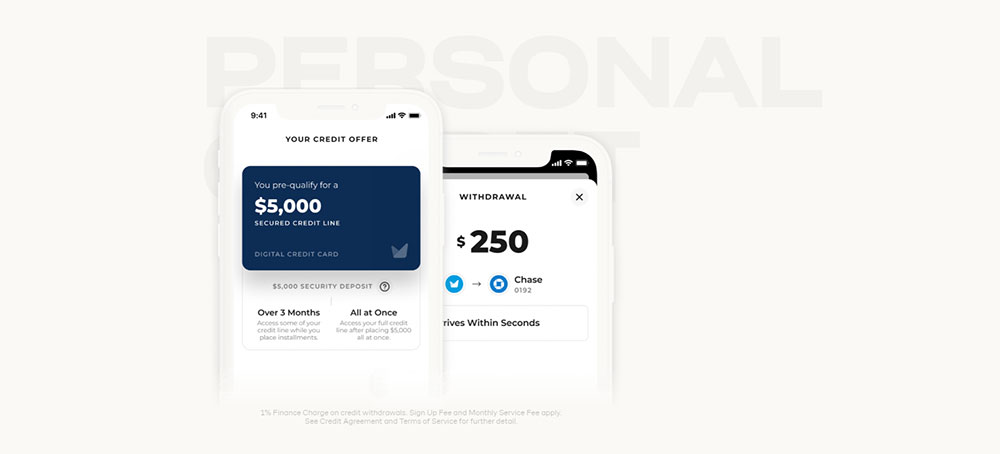
Grain Credit is gone, and if you relied on it for a flexible credit line without a hard inquiry, finding a real replacement takes more than a quick search.
The app shut down its consumer services in 2024 after six years. Hundreds of thousands of users, many of them building credit for the first time, were left looking for alternatives that actually work.
This guide covers the best apps like Grain Credit available right now: cash advance apps, credit builder tools, and mobile lending platforms that serve the same audience with fewer fees attached.
You will find out what each app costs, how much you can borrow, whether it reports to credit bureaus, and which one fits your situation best.
Apps Like Grain Credit
Grain Credit shut down its consumer services in 2024 after six years and roughly 470,000 users. The company pivoted to B2B financial services, leaving a lot of people searching for a solid replacement.
Good news: there are at least a dozen fintech lending apps that do what Grain did, and several do it with fewer fees. This list covers the best ones available right now, including what each costs, how much you can borrow, and who it actually suits.
| App | Max Advance | Monthly Fee | Credit Check |
| Brigit | $500 | $8.99 – $15.99 | No |
| Dave | $500 | Up to $5 | No |
| Empower | $400 | $8 | No |
| MoneyLion | $500 – $1,000 | None (turbo fees apply) | No |
| EarnIn | $750/pay period | None | No |
| Albert | $1,000 | $14.99 – $39.99 | No |
| Chime | $500 | None | No |
| Precautionary | $500 | None | No |
| Possible Finance | $500 | None | No |
| Klover | $750 | None | No |
Brigit
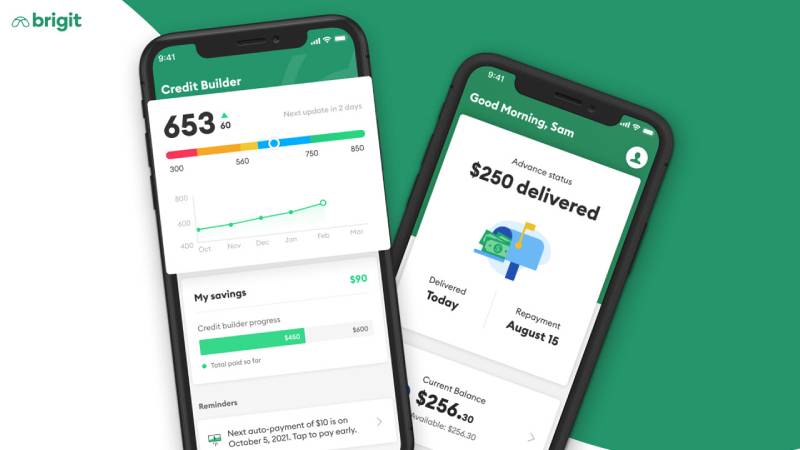
Brigit is a personal finance app that gives you paycheck advances and helps you avoid overdrafts for people who want short-term cash access plus credit-building tools in one place.
It offers no credit check borrowing, reports payments to all three major bureaus, and runs on both iOS and Android.
What Does Brigit Do?
Brigit lets users request cash advances up to $500, monitors bank accounts for potential overdrafts, and auto-sends funds when the balance drops too low. It also includes a credit builder loan feature through its paid plans.
How Is Brigit Similar to Grain Credit?
- No credit check required for approval
- Uses bank account activity to determine eligibility
- Reports payments to credit bureaus to help build credit history
How Is Brigit Different from Grain Credit?
Grain offered a revolving credit line up to $1,000 with a one-time $75 signup fee and 15% APR. Brigit works more like a paycheck advance service with flat subscription pricing ($8.99 – $14.99/month) and zero interest on advances.
Brigit also does not require a security deposit, which Grain sometimes did.
Who Is Brigit Best For?
Brigit suits people living paycheck to paycheck who need a predictable, interest-free cash cushion and want to build credit at the same time, without taking on revolving debt.
Key Features of Brigit
- Cash advances: $25 to $500 (avg. $73 per advance)
- Credit builder loan: Reports to Equifax, Experian, TransUnion
- Overdraft protection: Auto-advance triggered by low balance alerts
- Fast funding: Within 20 minutes for a fee up to $3.99
Pricing
- Free plan: Yes – budget tools and account monitoring only
- Paid plans: $8.99/month (Plus) or $14.99/month (Premium)
- Free trial: No
Dave
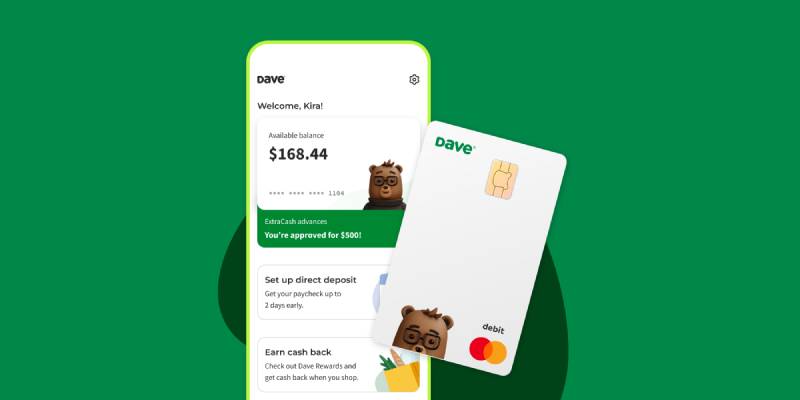
Dave is a digital banking app focused on its ExtraCash feature, which delivers advances up to $500 with no interest, no credit check, and no late fees. It has a 4.8 rating on the App Store from over 720,000 reviews.
What Does Dave Do?
Dave overdrafts a dedicated ExtraCash account when you request an advance, then deposits funds instantly into your Dave checking account. Repayment happens automatically on your next payday.
How Is Dave Similar to Grain Credit?
Cash flow-based eligibility (no credit score check), income-linked borrowing limits, and the goal of helping users cover short-term financial gaps without turning to payday lenders. Both apps also do not charge late fees.
How Is Dave Different from Grain Credit?
| Feature | Dave | Grain Credit |
| Credit line type | Paycheck advance | Revolving credit line |
| Interest | None | 15% APR |
| Signup cost | Up to $5/month | $75 one-time fee |
| Credit bureau reporting | No | Yes |
Who Is Dave Best For?
Dave suits users who want fast, fee-light access to cash between paychecks and are comfortable opening a Dave checking account to unlock the full feature set.
Key Features of Dave
- ExtraCash advances: $25 to $500, no interest
- Instant funding: Free to Dave checking, 1.5% fee to external debit
- Side hustle finder: In-app gig job listings
- Savings Goals: Round-up savings with automated deposits
Pricing
- Free plan: No
- Paid plans: Up to $5/month membership + 5% service fee per advance ($5 min, $15 max)
- Free trial: No
Empower (Now Tilt)
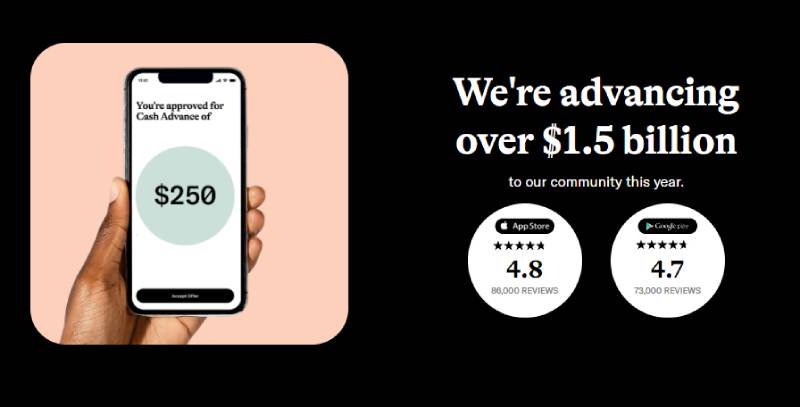
Empower rebranded to Tilt in August 2025. It is a fintech app offering cash advances from $10 to $400 with no credit check, no interest, and no late fees. Over 5 million customers have used it.
Tilt discloses average advance amounts upfront: $102 for first-time users, $171 for returning users. That kind of transparency is rare among fintech apps.
What Does Tilt Do?
Tilt analyzes daily banking activity and income consistency to offer personalized cash advances. It also includes automatic savings, spend tracking, credit score monitoring, and overdraft reimbursement if a Tilt repayment triggers a bank fee.
How Is Tilt Similar to Grain Credit?
- No hard pull on your credit for cash access
- Eligibility based on bank account behavior, not credit score
- Flat monthly subscription model (Grain charged monthly fees too)
How Is Tilt Different from Grain Credit?
Grain’s revolving credit line reached up to $5,000. Tilt caps at $400. But Tilt charges zero interest and no activation fees, while Grain layered on a $75 signup fee, annual fee, and per-transaction fees on top of 15% APR.
Who Is Tilt Best For?
Tilt suits people who want a transparent, flat-fee cash advance app with a 75% eligibility rate and no need to open a new bank account.
Key Features of Tilt
- Cash advances: $10 to $400, zero interest
- Overdraft reimbursement: Refunds bank overdraft fees caused by Tilt repayments
- AutoSave: Automatic savings based on spending patterns
- Instant funding: Under 15 minutes for a fee ($1 to $8)
Pricing
- Free plan: No
- Paid plans: $8/month flat subscription
- Free trial: 14 days
MoneyLion
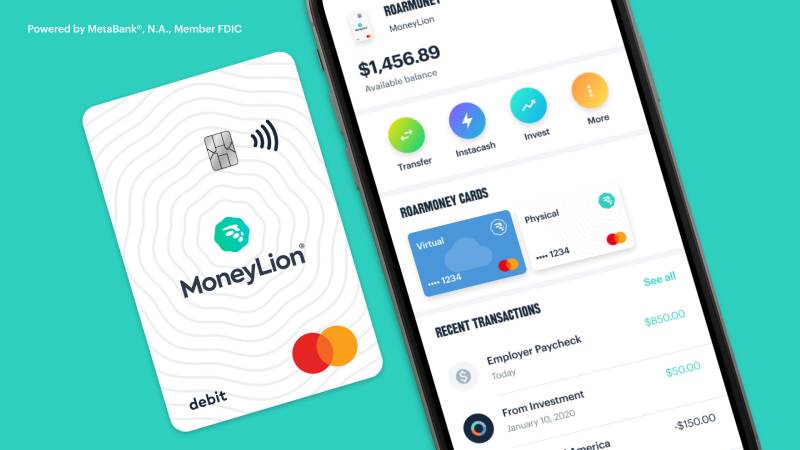
MoneyLion Instacash offers advances up to $500 for most users, and up to $1,000 for those with a RoarMoney checking account and active direct deposits. No mandatory fees, no credit check, no interest.
What Does MoneyLion Do?
MoneyLion bundles cash advances with a checking account, credit builder loan, investment tools, and a network of financial products. It works more like a full mobile banking platform than a single-purpose lending app.
How Is MoneyLion Similar to Grain Credit?
Both target users who need credit access without a hard inquiry. MoneyLion also reports credit builder loan payments to all three bureaus, mirroring Grain’s original credit-building purpose.
How Is MoneyLion Different from Grain Credit?
- No activation fee or signup cost (Grain charged $75 upfront)
- Disbursements capped at $100 per transaction, requiring multiple transfers to reach the max
- Includes investment accounts and crypto trading, well beyond what Grain offered
Who Is MoneyLion Best For?
MoneyLion fits users who want a single app for banking, borrowing, and building credit, especially those able to set up direct deposit into a RoarMoney account to access the highest advance limits.
Key Features of MoneyLion
- Instacash: Up to $500 (or $1,000 with RoarMoney direct deposit)
- Credit builder loan: Reports to Equifax, Experian, TransUnion
- Turbo delivery: Instant funding for $0.49 to $8.99 per transfer
- Investment accounts: Auto-investing with no minimum balance
Pricing
- Free plan: Yes – basic Instacash and checking account
- Paid plans: None required (turbo fees apply per advance)
- Free trial: N/A
EarnIn
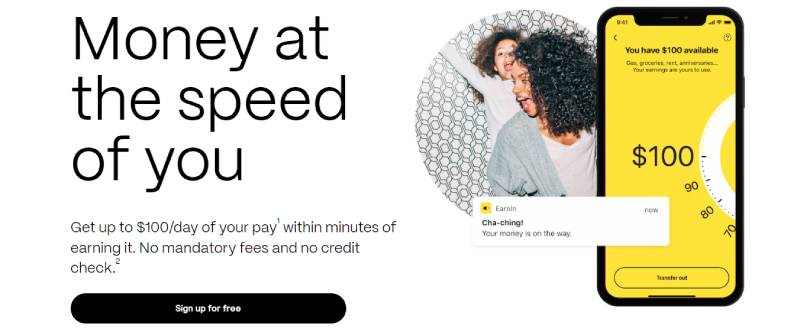
EarnIn lets W-2 employees access wages as they earn them, up to $150 per day and $750 per pay period. No subscription fee, no interest, no mandatory charges.
It is one of the few apps like Possible Finance that skips the monthly fee entirely while still offering a meaningful advance ceiling.
What Does EarnIn Do?
EarnIn verifies your employment and tracks hours worked to determine how much you have already earned. You can then withdraw from those earned wages before payday, with standard delivery in 1 to 3 business days or instant via Lightning Speed for a fee of $3.99 minimum.
How Is EarnIn Similar to Grain Credit?
Both give users access to cash based on income patterns, not credit scores. EarnIn also offers free credit monitoring, which aligns with Grain’s original mission to support credit score improvement alongside lending.
How Is EarnIn Different from Grain Credit?
| Feature | EarnIn | Grain Credit |
| Access type | Earned wages only | Revolving credit line |
| Monthly fee | None | Yes + transaction fees |
| Employment required | Yes (W-2) | No |
| Max per pay period | $750 | Up to $5,000 |
Who Is EarnIn Best For?
EarnIn suits salaried or hourly W-2 employees with regular direct deposits who want fee-free access to their earned pay before payday, without opening a new bank account.
Key Features of EarnIn
- Daily max: $150 per day, $750 per pay period
- Lightning Speed: Instant funding from $3.99
- Balance Shield: Overdraft alert and auto-advance tool
- Early paycheck: Up to 2 days early with EarnIn Card
Pricing
- Free plan: Yes – full access with no mandatory fees
- Paid plans: No subscription; optional instant transfer fees only
- Free trial: N/A
Albert

Albert is a banking and cash advance app that offers up to $1,000 in overdraft protection with no interest, no late fees, and near-instant transfers to Albert Cash accounts.
What Does Albert Do?
Albert combines a checking account, savings automation, cash advances, and investment tools in one app. Its Genius subscription adds financial advice and budgeting guidance, making it closer to a financial coaching platform than a basic lending app.
How Is Albert Similar to Grain Credit?
- No hard credit check for cash access
- Income-based eligibility
- Designed to help users stuck in short-term borrowing cycles break out of them
How Is Albert Different from Grain Credit?
Albert’s $1,000 limit functions as overdraft protection rather than a true revolving credit line. It does not charge interest or late fees where Grain charged 15% APR. Albert’s monthly fee ($14.99) is also higher than most alternatives on this list.
Who Is Albert Best For?
Albert suits users who want the highest no-interest cash access available, ideally with an existing Albert Cash account, and who are open to using budgeting and savings tools alongside borrowing features.
Key Features of Albert
- Cash access: Up to $1,000 overdraft protection
- Instant transfers: Free to Albert Cash, 2-3 days to external accounts
- Savings automation: Auto-saves small amounts based on spending habits
- Early paycheck: Up to 2 days early with direct deposit
Pricing
- Free plan: Yes – basic account features only
- Paid plans: $14.99/month (Genius subscription required for cash advances)
- Free trial: No
Chime
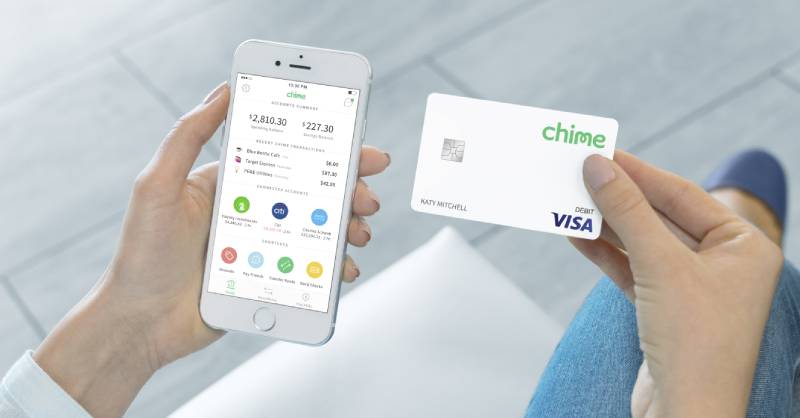
Chime is a neobank with a cash advance feature called MyPay, offering advances up to $500 with no mandatory fees, no interest, and no late charges. It also offers a Credit Builder card that reports to all three bureaus.
What Does Chime Do?
Chime operates as a full digital bank: FDIC-insured checking, high-yield savings, fee-free overdraft protection (SpotMe up to $200), early paycheck access, and a secured Credit Builder card for building credit with everyday spending.
How Is Chime Similar to Grain Credit?
Both give users a credit line linked to a debit card. Chime’s Credit Builder card works similarly to Grain’s virtual credit card concept, reporting on-time payments to improve your score without requiring a hard inquiry.
How Is Chime Different from Grain Credit?
- Chime is a full bank, not just a credit line app
- No signup fee, no transaction fees, no APR on MyPay advances
- MyPay availability varies by state and requires a Chime checking account
Who Is Chime Best For?
Chime fits users who want a mobile credit line paired with a full banking experience and are willing to fully commit to the Chime ecosystem. Good fit for gig workers who already use Chime for direct deposit.
Key Features of Chime
- MyPay advances: Up to $500 with a $2 to $5 instant fee (or free in 2 days)
- SpotMe overdraft: Fee-free overdraft up to $200
- Credit Builder card: No interest, no annual fee, reports to all bureaus
- Early pay: Up to 2 days earlier with qualifying direct deposit
Pricing
- Free plan: Yes – checking account and most features free
- Paid plans: No monthly fee (Chime+ is optional)
- Free trial: N/A
Varo

Varo is a legitimate FDIC-insured digital bank offering cash advances (called Varo Advance) from $20 up to $500, with a 30-day repayment window that is more generous than most cash advance apps that work with Chime or similar platforms.
What Does Varo Do?
Varo Advance lets users borrow small amounts with no subscription fee and no interest. Repayment is manual within 30 days, not auto-deducted on payday. It also includes a credit builder card, high-yield savings, and automatic savings tools.
How Is Varo Similar to Grain Credit?
Same core concept: access to a small, flexible credit line without a traditional credit check. Varo also helps users build credit through its secured credit card, targeting the same underbanked audience Grain was built for.
How Is Varo Different from Grain Credit?
- No monthly fee at all – Grain required ongoing fees
- Flat fee per advance (6% to 8% of the amount), not an APR structure
- Requires $1,000/month in qualifying direct deposits to access advances
Who Is Varo Best For?
Varo fits users who want buy-now-pay-later flexibility alongside full digital banking, and who are ready to move their primary direct deposit to Varo to unlock the highest advance limits.
Key Features of Varo
- Advances: $20 to $500, no interest, flat fee above $20
- Repayment window: 30 days, manual repayment
- Credit builder card: Reports to Equifax, Experian, TransUnion
- High-yield savings: Competitive APY with qualifying deposits
Pricing
- Free plan: Yes – no monthly fee for banking or advances
- Paid plans: None required; flat advance fees apply per transaction
- Free trial: N/A
Possible Finance
Possible Finance offers installment loans up to $500 with a clear repayment schedule and reports all payments to all three major credit bureaus. It is one of the few small-dollar loan apps that treats borrowing as a direct credit-building tool, not an afterthought.
What Does Possible Finance Do?
Possible Finance gives users access to short-term installment loans with no hard credit pull. Repayment happens over two to four bi-weekly installments. Every on-time payment gets reported, making it a genuine credit builder app for people with bad or no credit.
How Is Possible Finance Similar to Grain Credit?
Income-based lending with no credit check, targeted at users who cannot access traditional credit. Both apps were built specifically for people shut out of conventional lending, and both report to bureaus to help build payment history over time.
How Is Possible Finance Different from Grain Credit?
- Installment loan structure, not a revolving credit line
- APR is significantly higher than Grain’s 15% (varies by state)
- No ongoing monthly fee or signup cost
Who Is Possible Finance Best For?
Possible Finance suits users with poor or no credit who need a small loan fast and want every payment to count toward building a real credit history with Equifax, Experian, and TransUnion.
Key Features of Possible Finance
- Loan amount: Up to $500 per loan
- No hard credit pull: Eligibility based on bank account activity
- Repayment: 2 to 4 bi-weekly installments
- Bureau reporting: All three major credit bureaus
Pricing
- Free plan: N/A (loan-based product)
- Paid plans: Fees vary by state; no monthly subscription
- Free trial: No
Klover

Klover is a cash advance app with zero interest, zero late fees, and no monthly membership. Advances go up to $750. It is the only major app in this category that requires no subscription to access its core advance feature.
The trade-off: Klover funds itself through a data-sharing model. You earn points by completing tasks like surveys and watching ads, then exchange those points for higher advance limits. Some users will find that fine. Others will not.
What Does Klover Do?
Klover lets users access wages before payday through a points-based cash advance system. Standard delivery is free in up to 3 business days. Instant funding costs a variable fee. The optional Klover+ plan ($4.99/month) adds budgeting tools and credit score tracking.
How Is Klover Similar to Grain Credit?
- No credit check, income-linked eligibility
- Targets users with credit access for bad credit or no credit history
- Zero interest on advances (Grain charged 15% APR, so Klover is actually cheaper)
How Is Klover Different from Grain Credit?
Grain offered a revolving credit line that could grow to $5,000. Klover is a paycheck advance app capped at $750, with no revolving structure. The data-sharing model is also entirely different from Grain’s fee-based approach.
Who Is Klover Best For?
Klover fits people who want a subscription-free cash advance and are comfortable sharing anonymized spending data in exchange for free borrowing access. Good option for gig workers with irregular income who cannot meet direct deposit requirements on other apps.
Key Features of Klover
- Advances: Up to $750 with no interest or late fees
- Points system: Earn points via surveys, receipt scanning, watching ads
- Standard delivery: Free, 1 to 3 business days
- Security: AES 256-bit encryption, read-only bank access
Pricing
- Free plan: Yes – core advance features free with data sharing
- Paid plans: Klover+ at $4.99/month for budgeting and credit tools
- Free trial: No
What Was Grain Credit and Why Did It Shut Down?
Grain Credit was a mobile credit line app that linked directly to your checking account and gave you a revolving credit limit based on your income and spending history rather than your FICO score.
It operated for six years and served approximately 470,000 customers before shutting down its consumer services in 2024.
The core product worked like this: connect your bank account, Grain analyzes your cash flow, and you receive a credit limit (reportedly up to $5,000) deposited as available funds. You could draw on it, repay it, and draw again, similar to how a traditional credit card revolving balance works.
Where Grain differed from every other option on this list was its fee structure. Users paid a $75 one-time signup fee, an annual fee, a per-transaction fee on each draw, and a 15% APR on outstanding balances. For a product targeting users with poor or no credit, that was a heavy cost stack.
After closing consumer operations, Grain pivoted to B2B financial services, effectively ending its role as a direct-to-consumer lending app.
| Grain Credit Feature | Detail |
| Credit line type | Revolving, linked to checking account |
| Eligibility basis | Cash flow analysis, no hard credit pull |
| Max credit limit | Up to $5,000 (reported) |
| APR | 15% |
| Signup fee | $75 one-time |
| Status | Shut down consumer services, 2024 |
The shutdown left a real gap. Around 45 million Americans are credit invisible, meaning they have no credit history with a nationwide consumer reporting agency, according to the Government Accountability Office. Grain was one of the few apps built specifically for that audience.
The apps in this list serve the same population, in most cases with fewer fees attached.
How Do Apps Like Grain Credit Work?
Every app in this category skips the traditional credit check and uses your bank account data to decide how much you can borrow. That is the shared foundation, but the mechanics vary a lot depending on which type of app you’re using.
The cash advance app market was valued at $7.69 billion in 2024 and is projected to reach $25 billion by 2035, according to Wise Guy Reports. That growth is directly tied to demand from the roughly 62% of Americans who told LendingClub they need their next paycheck to cover monthly spending.
How cash flow-based lending works: Apps connect to your checking account through a service like Plaid, read your deposit history, and analyze the frequency and size of incoming transfers. No FICO score is pulled. Your borrowing limit is set based on what the algorithm thinks you can repay by your next deposit date.
The key difference between Grain’s model and most alternatives is structure. Grain offered a revolving credit line, meaning you could draw, repay, and draw again indefinitely. Most cash advance apps work like a single advance that gets repaid in full on your next payday, then you can request again.
| Structure Type | How It Works | Example Apps |
| Revolving credit line | Draw up to limit, repay, draw again | Empower Thrive, Discovery Bank |
| Paycheck advance | Single advance, repaid on payday | Dave, Brigit, Klover |
| Earned wage access | Access wages you have already earned | EarnIn, Branch, PayActiv |
| Installment loan | Lump sum, repaid in 2-4 payments | Possible Finance |
Bureau reporting is what separates credit-building apps from pure cash access tools. When an app reports your repayments to Equifax, Experian, and TransUnion, every on-time payment adds to your payment history, which is the largest factor in your FICO score.
Most paycheck advance apps do not report to bureaus. Apps that do, including Brigit, MoneyLion, and Possible Finance, are closer to what Grain Credit was trying to accomplish.
A hard inquiry lowers your credit score temporarily because it signals to lenders that you are seeking new credit. A soft pull, or no pull at all, has zero effect. Every app in this category uses income and bank account analysis instead of a hard inquiry, which is exactly why they exist as an alternative to traditional credit cards and personal loans for users with poor or no credit history.
What Is the Difference Between a Cash Advance App and a Credit Builder App?
Not all Grain Credit alternatives serve the same purpose. Picking the wrong one means you either get short-term cash but no credit progress, or you build credit slowly but never get the emergency funds you needed.
According to FICO data from October 2024, 16.3% of Americans have a FICO score between 300 and 599, and another 19.7% fall in the 600 to 699 range. That is more than one-third of the scoreable population in subprime or near-subprime territory, making the distinction between these two app types genuinely important.
Cash advance apps give you access to money before your next paycheck. They do not report to credit bureaus. You borrow, repay, repeat. Your credit score does not change as a result of using them.
Credit builder apps report your payment activity to the three major bureaus. Some offer installment loans specifically designed to build a payment history. Others attach reporting to everyday card spending. The borrowing limits are often lower, but the long-term impact is higher.
Grain Credit was a hybrid: it gave you cash access and reported payments to bureaus simultaneously. That combination is rare. Among current alternatives, only a few apps come close.
Which Apps Report Payments to Credit Bureaus?
Brigit’s Plus and Premium plans include a credit builder loan that reports monthly to Equifax, Experian, and TransUnion.
Brigit claims users see an average credit score increase of 60 points within six months when maintaining a positive payment history, according to the company’s own data.
MoneyLion’s credit builder loan operates as an installment product. Payments are reported to all three bureaus. The loan is held in a locked savings account, and you receive the funds at the end of the term, meaning you build both credit and savings simultaneously.
Possible Finance is the most direct Grain equivalent for credit building. Every installment payment on its short-term loans is reported to Equifax, Experian, and TransUnion. It targets users with no credit or poor credit and requires no hard pull for approval.
Chime’s Credit Builder card reports everyday spending to all three bureaus with no interest and no annual fee. It functions differently from a loan-based builder but achieves similar results over time.
Apps like Dave, Klover, and EarnIn do not report to credit bureaus. They are purely cash access tools. If credit improvement is your goal, they are not the right choice.
How Do Apps Like Grain Credit Determine How Much You Can Borrow?
Every app in this category uses a version of the same process: connect your bank account, the app reads your deposit and spending history, and it calculates a limit based on what you can reasonably repay.
That said, the specific signals each app weighs are different, and those differences determine who qualifies for how much.
Direct deposit frequency: Most apps require two to three recurring deposits from the same employer or income source. Brigit and Dave both specify at least three recurring deposits. This requirement filters out users with truly irregular income patterns.
Account age: Brigit requires 60 days of bank account activity minimum. Dave has a similar requirement. Newer accounts signal higher repayment risk to the algorithm.
Income consistency over income level: A user earning $2,500 per month from a stable employer qualifies more easily than a user earning $4,000 per month from four different gig platforms. Consistency is weighted more heavily than raw income in most models.
Real first-time advance amounts are much lower than advertised maximums. Tilt (formerly Empower) disclosed that from October to December 2025, first-time users received an average of $102, and returning users averaged $171, out of a $400 maximum. Dave’s own data shows new users average around $180 out of a $500 ceiling.
Repayment behavior raises limits over time. Pay back three advances on time and your ceiling moves up. Miss one and it often resets or drops.
The apps that work best for users without regular direct deposits include:
- Klover: points-based system, works with irregular deposit patterns
- Varo: requires $1,000/month in deposits but accepts a wider range of income sources
- Possible Finance alternatives: installment structure, less dependent on paycheck timing
Gig workers, freelancers, and contract workers consistently report more rejection from Dave and EarnIn than from Klover or Varo, because EarnIn specifically requires W-2 employment verification. That is a real gap in the category.
What Are the Fees and True Costs of Cash Advance Apps?
The advertised cost of most cash advance apps looks low. The actual cost, once you factor in subscription fees, instant transfer fees, and optional tips, is often much higher than it appears.
Americans paid $12.1 billion in bank overdraft and NSF fees in 2024, according to the Financial Health Network. That number is a large part of why cash advance apps grew so fast. They positioned themselves as a cheaper alternative. For many users, they are. For others, the math is not as clean as it looks.
Subscription fee models (Brigit, Tilt, Dave, Albert) charge a flat monthly fee regardless of how often you use the advance feature. If you borrow $100 under Brigit’s $8.99/month plan and repay it in two weeks, that $8.99 fee alone represents a roughly 232% annualized rate on a two-week loan.
Per-use fee models (Dave’s service fee, Varo’s flat fee) charge based on each individual advance. Dave charges 5% of the advance amount with a $5 minimum and $15 maximum per draw. Varo charges between 6% and 8% of advances above $20.
Data-for-access models (Klover) charge nothing in cash but monetize your financial data through surveys, ad views, and anonymized transaction sharing. No subscription, no instant fee requirement, but your data is the product.
According to Firstcard and Klover research, an $8 fee on a $100 advance repaid in two weeks equals an APR over 200%. That figure does not make cash advance apps predatory on its own, but it does mean users need to treat them as short-term tools, not ongoing financial solutions.
Grain Credit’s fee structure for comparison: $75 signup fee, annual fee, per-transaction fees on each draw, and 15% APR. For a product with a $1,000 revolving limit, the first year’s total cost could easily exceed $150 before interest, making Grain one of the more expensive options in the category despite its relatively low APR percentage.
| App | Monthly Fee | Instant Transfer Fee | Interest on Advances |
| Brigit | $8.99 – $15.99 | $0.99 – $3.99 (Waived on Premium) | None |
| Dave | $1.00 | $1.99 – $25.00 (Varies by amount) | None |
| Empower (Tilt) | $8.00 | $1.00 – $8.00 | None |
| EarnIn | None | $3.99 – $5.99 (Lightning Speed) | None |
| Klover | $3.99 | $1.99 – $19.99 | None |
| Varo | None | $1.60 – $40.00 (Flat fee per advance) | None |
| Grain Credit | Annual + Service fees | Varies by transaction | 15% – 21% APR |
How Do You Choose the Right App Based on Your Situation?
The right app depends on one question: do you need cash now, or do you need to build credit, or both?
Nearly 59% of Americans are uncomfortable with their current level of emergency savings, up from 2023 levels, according to Bankrate’s 2024 Emergency Savings Report. That context matters because most people searching for Grain Credit alternatives are in one of three situations: they need immediate cash, they need to build a credit score from scratch, or they need both at once.
For maximum cash access with no monthly fee: EarnIn offers up to $750 per pay period with zero mandatory fees, but requires W-2 employment. Klover goes up to $750 with no subscription through its data-sharing model and works for more income types.
For credit building alongside borrowing: Brigit’s Plus plan ($8.99/month) gives you cash advances plus a credit builder loan reporting to all three bureaus. MoneyLion does the same with an investment account added. Possible Finance is the best pick if you specifically want installment loan reporting to all three bureaus with no hard pull and no monthly fee.
For a full banking replacement: Chime and Varo are full digital banks. Both offer cash access features, both have credit builder tools, and neither charges a monthly fee. The trade-off is that you need to fully commit to their ecosystem and set up direct deposit to get the highest limits.
For gig workers and freelancers: Klover and Varo are the most flexible. EarnIn will likely reject you. Dave requires consistent direct deposits and may start you at a low limit. Possible Finance does not require direct deposit at all.
For existing Chime users: Chime MyPay is the natural next step. No new account required, advances up to $500, flat instant fee of $2 to $5.
If you are also looking at apps like Albert for broader financial management (budgeting, automated savings, and overdraft protection up to $1,000), the $14.99/month Genius subscription gives the highest no-interest cash access ceiling in this category.
And if the goal is purely flexible bill management rather than emergency cash, apps like Deferit or apps like Flex Rent solve a different but related problem: splitting recurring bills into installments rather than borrowing against future income.
FAQ on Apps Like Grain Credit
What happened to Grain Credit?
Grain Credit shut down its consumer services in 2024 after six years and roughly 470,000 users. The company pivoted to B2B financial services. It no longer operates as a direct-to-consumer credit line app.
What is the best app like Grain Credit right now?
Brigit and Tilt (formerly Empower) are the closest alternatives. Both offer cash access without a credit check, report to credit bureaus through optional plans, and use bank account activity to set borrowing limits.
Do apps like Grain Credit check your credit?
No. Apps in this category use cash flow-based lending, analyzing your deposit history and spending patterns instead of pulling a FICO score. There is no hard inquiry, so your credit score is not affected during the approval process.
Which cash advance apps report to credit bureaus?
Brigit, MoneyLion, and Possible Finance report payments to Equifax, Experian, and TransUnion. Chime’s Credit Builder card also reports to all three bureaus. Dave, EarnIn, and Klover do not report payment activity.
How much can you borrow from apps like Grain Credit?
Most paycheck advance apps cap advances between $200 and $750. Albert goes up to $1,000 in overdraft protection. EarnIn allows up to $750 per pay period. New users typically qualify for far less than the advertised maximum.
Are there cash advance apps with no monthly fee?
Yes. EarnIn has no subscription and no mandatory fees. Klover charges nothing monthly but uses a data-sharing model to fund free advances. Varo and Chime also offer cash access features with no monthly maintenance fee.
What apps work for gig workers with no regular paycheck?
Klover and Varo are the most flexible for irregular income. EarnIn requires W-2 employment verification. Possible Finance does not require direct deposit at all, making it a solid option for freelancers and contract workers.
What is the difference between a cash advance app and a credit builder app?
Cash advance apps give short-term access to funds but do not report to bureaus. Credit builder apps report payments to improve your score over time. Grain Credit combined both. Brigit, MoneyLion, and Possible Finance come closest to that hybrid model.
Can I use multiple cash advance apps at the same time?
Yes. Many users stack apps like Brigit and Klover to access more total funds. Just track repayment dates carefully. Multiple automatic withdrawals hitting on the same payday can trigger overdraft fees at your bank.
Are apps like Grain Credit safe to use?
Reputable apps use bank-level encryption and connect through secure services like Plaid. Look for FDIC-insured options such as Chime and Varo. Always review the privacy policy before linking your bank account to any fintech lending platform.
Conclusion
This conclusion is for an article presenting apps like Grain Credit as real, working alternatives to a platform that no longer exists for consumers.
The right pick depends on what you actually need. If emergency cash is the priority, Dave, EarnIn, or Klover cover that with minimal fees.
If credit score improvement is the goal, Brigit, MoneyLion, and Possible Finance all report to Equifax, Experian, and TransUnion, turning every on-time payment into progress.
For users who want both, Chime and Varo offer full digital banking with built-in credit builder tools and no monthly fee.
No single app replicates Grain’s revolving credit line exactly. But for most people, the alternatives available now are cheaper, simpler, and carry fewer strings.

- How to Run a React App in VS Code Step by Step - October 23, 2026
- Transactional or marketing email: which messages your app should send itself - October 23, 2026
- How Software Teams Write SOPs for Releases and Deployments - October 22, 2026