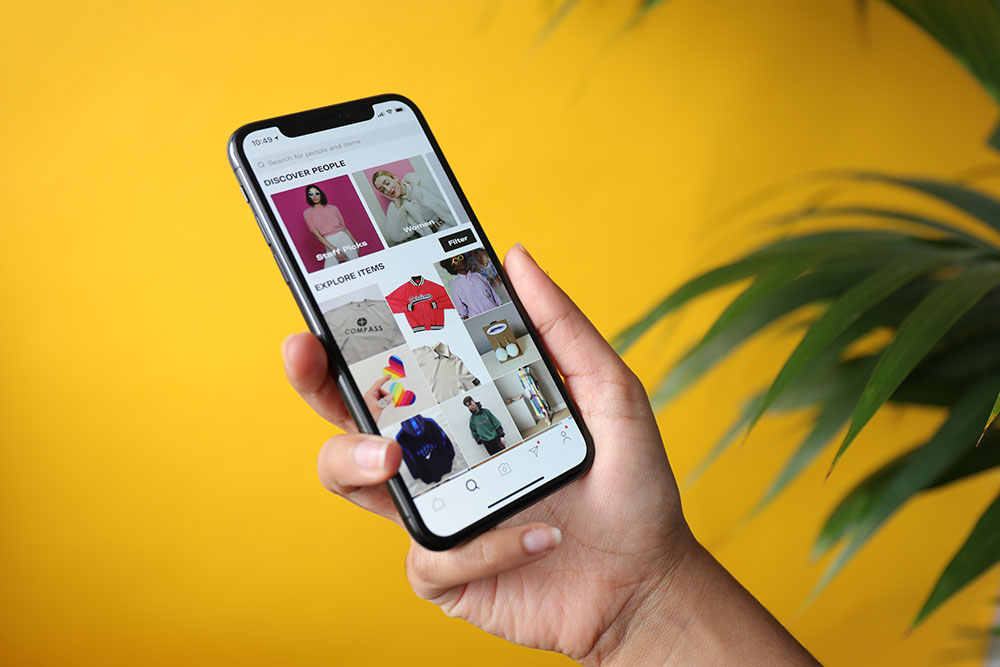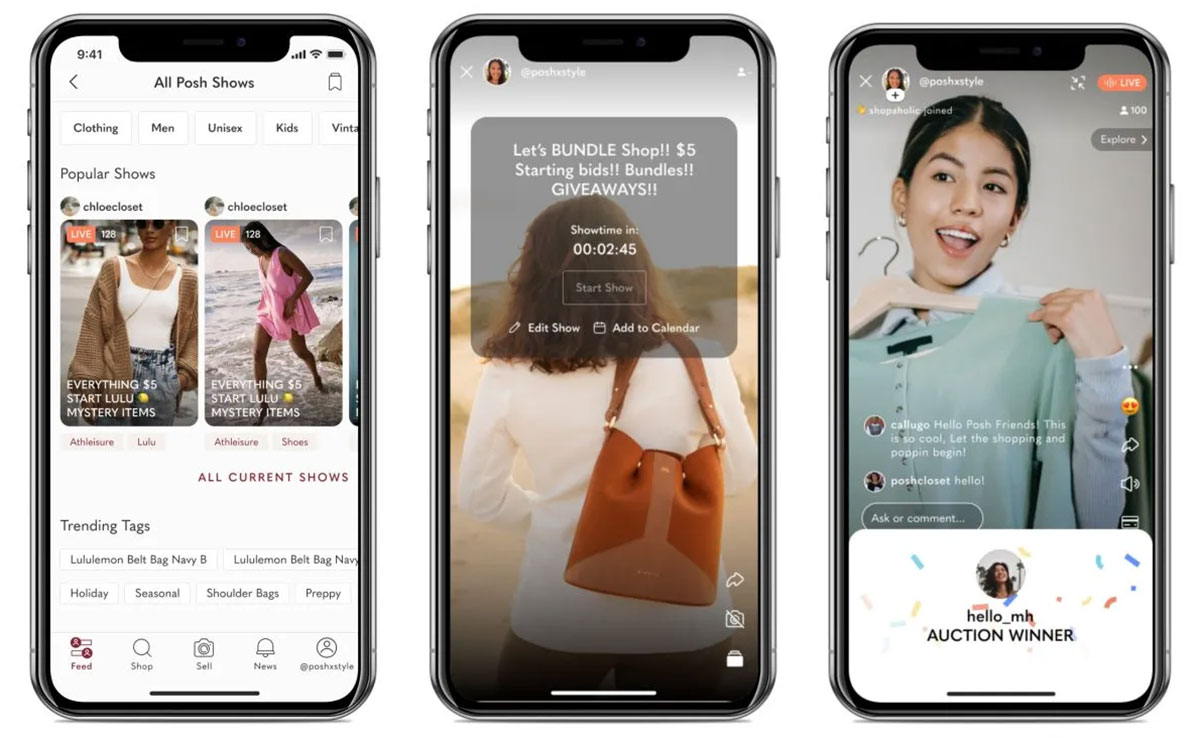
Poshmark’s 20% commission quietly eats into every sale you make.
That’s the number most sellers overlook until they’re already deep into the platform. There are plenty of apps like Poshmark that offer lower fees, different audiences, and better fits for specific inventory types.
The U.S. secondhand apparel market hit $51.9 billion in 2024. Platforms like Depop, Mercari, Vinted, and The RealReal are pulling serious buyer traffic, each with its own approach to peer-to-peer fashion resale.
This guide covers the best Poshmark alternatives available right now. You’ll see how fees compare, which platforms work best for vintage clothing, designer pieces, or mainstream brands, and whether cross-listing across multiple resale apps is actually worth the effort.
Apps Like Poshmark
Depop
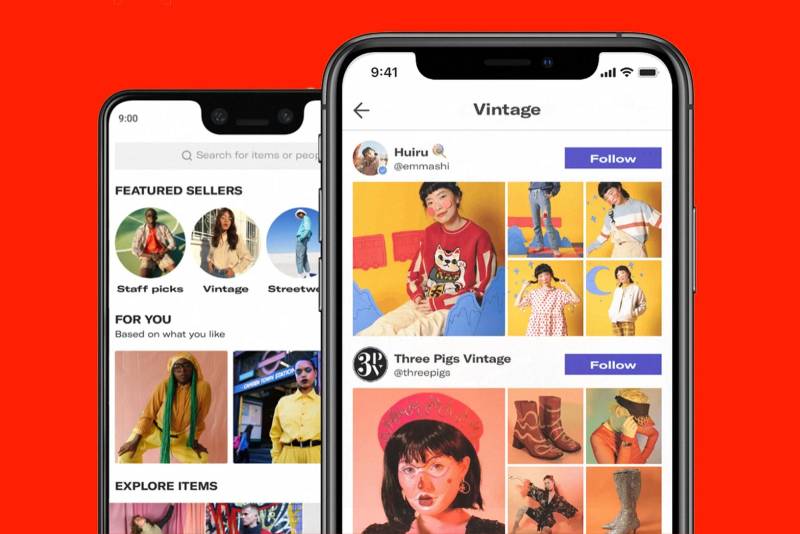
Depop is a social fashion resale app that lets users buy and sell secondhand clothing through a visual, feed-based interface aimed at Gen Z and millennial shoppers. It dropped its 10% seller commission for US and UK users in 2024, making it one of the lowest-cost peer-to-peer marketplaces available. Depop runs on iOS and Android.
What Does Depop Do?
Depop lets sellers list preloved clothing, vintage streetwear, and accessories through a social media-style storefront, with buyers browsing via a scrollable feed on mobile.
How Is Depop Similar to Poshmark?
Both are mobile-first fashion resale platforms with social features including follows, likes, and direct messaging. Both support peer-to-peer transactions with prepaid shipping labels and buyer protection.
How Is Depop Different from Poshmark?
- Depop charges 0% seller fees (3.3% + $0.45 payment processing only); Poshmark takes 20%
- Depop targets vintage and streetwear; Poshmark skews toward mainstream brands like Nike and Lululemon
- Depop’s buyer base is younger (Gen Z-heavy); Poshmark has a broader demographic
Who Is Depop Best For?
Depop suits vintage collectors and streetwear sellers who want low fees and a visually driven storefront without the overhead of Poshmark’s commission structure.
Key Features of Depop
- Seller fees: 0% commission (US and UK); 3.3% + $0.45 payment processing per sale
- Social feed: Instagram-style browse experience with follows and likes
- Search filters: Size, brand, color, category, and price range
- Shipping: Seller-arranged; no prepaid label system as of February 2025
Pricing
- Free plan: Yes, unlimited listings
- Paid plans: None; fee is per-transaction only
- Free trial: N/A
Mercari
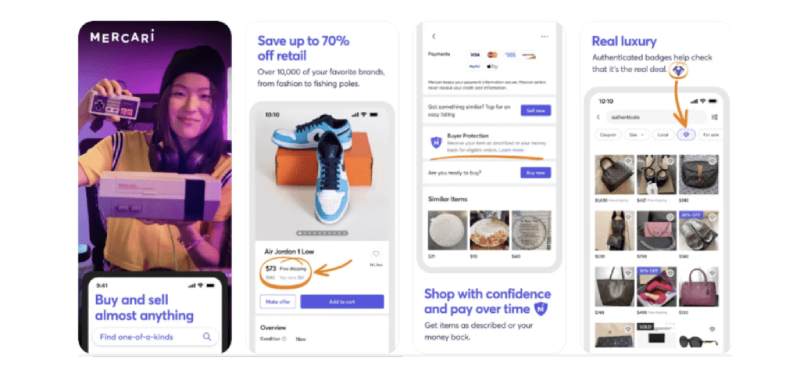
Mercari is a general-purpose resale app that handles clothing, electronics, toys, and household goods through a straightforward listing process. It charges a flat 10% seller fee plus 2.9% + $0.30 payment processing per sale. Available on iOS and Android.
What Does Mercari Do?
Mercari lets users list and sell almost any category of secondhand item using photo uploads and prepaid shipping labels, with funds released after buyer confirmation.
How Is Mercari Similar to Poshmark?
| Feature | To be bought | Poshmark |
| Seller Fee | 10% + Payment Processing (2.9% + $0.50) | 20% ($2.95 flat for sales under $15) |
| Buyer Fees | 3.6% Protection Fee (Service fees removed) | None (Only pays shipping + tax) |
| Shipping Model | Weight-based tiers (USPS, UPS, FedEx) | Flat-rate (USPS Priority Mail) |
| Shipping Cost | Starts at ~$4.91 (First-Class Envelope) | Fixed at $6.49 (Up to 5 lbs) |
| Local Service | Shop Local (Delivery via Uber/DoorDash) | No (Mail only) |
| Authentication | Mercari Authenticate (High-end only, $5 fee) | Posh Authenticate (Free for items $500+) |
| Max Package Weight | Up to 150 lbs (Freight available) | Up to 5 lbs (Paid upgrades up to 10 lbs) |
How Is Mercari Different from Poshmark?
- Mercari sells across multiple categories; Poshmark focuses on fashion and accessories
- 10% flat fee vs. Poshmark’s 20% commission on sales over $15
- No social sharing or community events like Poshmark’s Posh Parties
Who Is Mercari Best For?
Mercari suits sellers with mixed inventory (clothing, electronics, toys) who want lower fees and a simple listing process without the social engagement overhead.
Key Features of Mercari
- Seller fee: 10% + 2.9% + $0.30 per transaction (as of January 2025)
- Promote feature: Auto-drops price 5% and notifies buyers who liked the item
- Categories: Fashion, electronics, toys, home goods, collectibles
- Payouts: Direct deposit or Instant Pay option
Pricing
- Free plan: Yes, free to list
- Paid plans: None
- Free trial: N/A
ThredUP
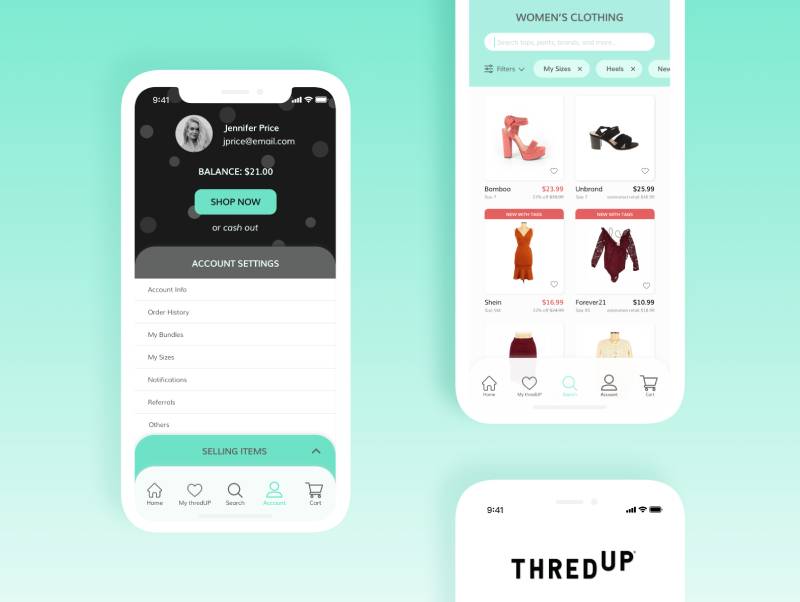
ThredUP is an online consignment service focused on women’s and kids’ clothing, where sellers ship items in and the platform handles everything else. It’s one of the largest secondhand fashion platforms in the US, carrying over 55,000 brands. Available via web and mobile app.
What Does ThredUP Do?
ThredUP sends sellers a Clean Out Kit, accepts the shipped clothing, photographs and lists approved items, then pays out a percentage of each sale after it completes.
How Is ThredUP Similar to Poshmark?
Both focus on secondhand women’s fashion with buyer protection and a wide range of brands from fast fashion to designer labels. Both generate income for people clearing out their wardrobes.
How Is ThredUP Different from Poshmark?
- ThredUP is full-service consignment; sellers have no control over pricing or listing details
- Commission ranges from 20% to 85% of sale price depending on item value (vs. flat 20% on Poshmark)
- No social features, seller profiles, or community interaction
Who Is ThredUP Best For?
ThredUP suits busy sellers who want to clear out clothing without managing listings, photos, or shipping, and are willing to accept lower payouts in exchange for zero effort.
Key Features of ThredUP
- Clean Out Kit: Prepaid bag sent to seller; $14.99 standard kit fee
- Payout rate: 20-85% of sale price depending on item type and value
- Brand range: 55,000+ brands including Gap, Gucci, Zara, and Lululemon
- Buyer shipping: Free on orders over $79
Pricing
- Free plan: Yes (buying is free; selling involves consignment commission)
- Paid plans: $14.99 Clean Out Kit for sellers
- Free trial: N/A
Vinted
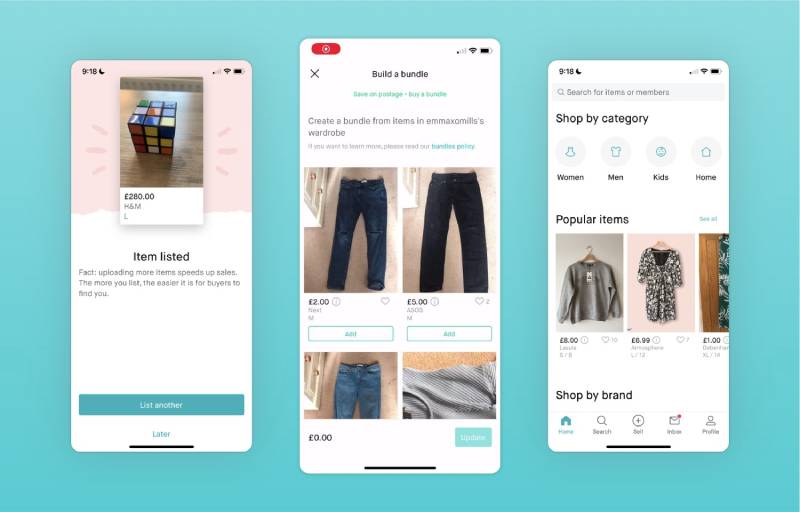
Vinted is a zero seller fee secondhand clothing platform where buyers pay a small protection fee instead of sellers absorbing commission costs. It has grown to over 34 million users across Europe and the US. Available on iOS and Android.
What Does Vinted Do?
Vinted lets sellers list preloved clothing, shoes, and accessories for free, with buyers paying a 3-5% buyer protection fee that covers secure payment handling and purchase guarantees.
How Is Vinted Similar to Poshmark?
Both are peer-to-peer fashion marketplaces targeting casual sellers clearing out wardrobes or running small resale shops. Both cover clothing, shoes, and accessories with in-app messaging and direct shipping between users.
How Is Vinted Different from Poshmark?
- Vinted charges 0% seller fees; Poshmark takes 20%
- No social feed, sharing, or community events
- Stronger presence in Europe; Poshmark dominates the US market
Who Is Vinted Best For?
Vinted suits high-volume casual sellers and anyone prioritizing maximum payout per sale, especially those selling mid-range fashion where Poshmark’s 20% fee cuts too deeply into margins.
Key Features of Vinted
- Seller fees: None; sellers keep 100% of sale price
- Buyer protection fee: Approximately 3-5% per transaction
- Withdraw options: Bank transfer (minimum $0.10, up to 5 business days)
- Swap feature: Available in select markets for item exchanges
Pricing
- Free plan: Yes, unlimited listings at no cost
- Paid plans: None
- Free trial: N/A
eBay
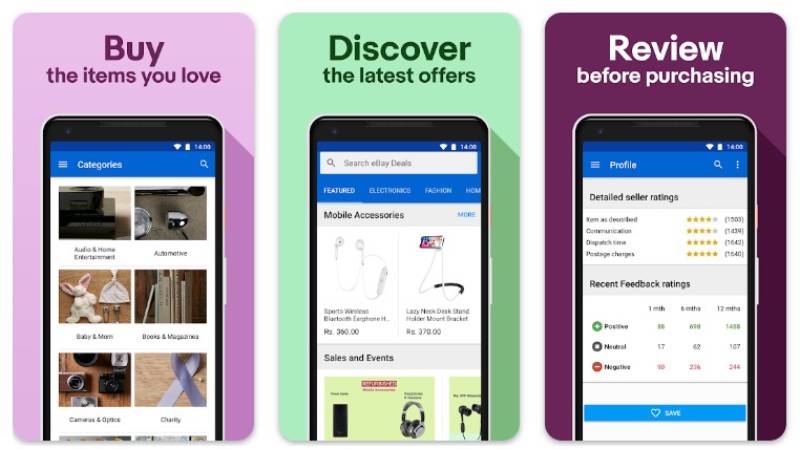
eBay is a global online marketplace supporting both auction-style and fixed-price sales across virtually every product category. It offers sellers access to an audience of over 134 million active buyers worldwide. Available on iOS, Android, and web.
What Does eBay Do?
eBay lets sellers list items at fixed prices or as auctions, with built-in buyer protection, prepaid shipping label options, and detailed product listing tools for describing condition, measurements, and provenance.
How Is eBay Similar to Poshmark?
Both support used clothing and accessories with seller protection, buyer guarantees, and a mobile app for listing and managing inventory on the go. Both allow offer and counteroffer negotiation.
How Is eBay Different from Poshmark?
| Factor | eBay | Poshmark |
| Audience | 134M+ active global buyers | 100M+ registered users (US, Canada, Australia) |
| Selling format | Auction or fixed price (“Buy It Now”) | Fixed price (with “Make an Offer” feature) |
| Category scope | General (Electronics, Collectibles, Home, Fashion) | Fashion-first (Clothing, Home, Pets, Beauty) |
| Seller fee | ~13.25% – 15% (Varies by category) + $0.40 per order | $2.95 flat (Under $15) or 20% flat ($15+) |
| Shipping | Seller-managed (Calculated or flat rate) | Buyer-paid ($8.27 flat rate via USPS Priority) |
| Payouts | Direct to bank (Daily or weekly) | Redeemable via Bank Transfer, PayPal, or Venmo |
Who Is eBay Best For?
eBay suits sellers with diverse inventory (vintage gear, collectibles, electronics, clothing) who need international reach and flexible pricing formats beyond fashion-only platforms.
Key Features of eBay
- Listing: Up to 12 photos, detailed descriptions, condition notes
- Fee structure: ~12.9% final value fee + $0.30 per order; 250 free listings per month
- Formats: Auction (1, 3, 5, 7, or 10-day) or Buy It Now
- Shipping: Multiple carrier options; seller controls pricing and carrier
Pricing
- Free plan: Yes, 250 free listings per month
- Paid plans: Store subscriptions from $4.95/month (Starter) to $349.95/month (Enterprise)
- Free trial: No
The RealReal
The RealReal is a luxury consignment platform specializing in authenticated designer fashion, jewelry, watches, and home decor. It handles everything from authentication to photography and fulfillment on the seller’s behalf. Available on iOS, Android, and web.
What Does The RealReal Do?
The RealReal accepts luxury items from sellers, authenticates them using in-house experts, lists them on the platform, and remits a percentage of the final sale price after the transaction completes.
How Is The RealReal Similar to Poshmark?
Both allow sellers to monetize secondhand fashion and accessories, with buyer protection built into the transaction. Both support a wide range of brand-name and designer clothing, shoes, and bags.
How Is The RealReal Different from Poshmark?
- Full-service consignment model; sellers ship items and have no involvement after that
- Commission ranges 20-80% depending on item category and value, far higher than Poshmark’s flat rate
- Professional authentication for every item; Poshmark has no built-in authentication for standard listings
Who Is The RealReal Best For?
The RealReal suits sellers with high-value designer pieces (Louis Vuitton, Gucci, Hermes) who want verified authentication and hands-off selling, and can absorb a larger commission cut.
Key Features of The RealReal
- Authentication: Expert-verified for all luxury items before listing
- Commission: 20-80% of sale price (varies by category and item value)
- Consignor services: In-home pickup available in select cities
- Categories: Designer clothing, handbags, jewelry, watches, fine art
Pricing
- Free plan: Yes, free to consign
- Paid plans: None; revenue model is commission-based
- Free trial: N/A
Facebook Marketplace
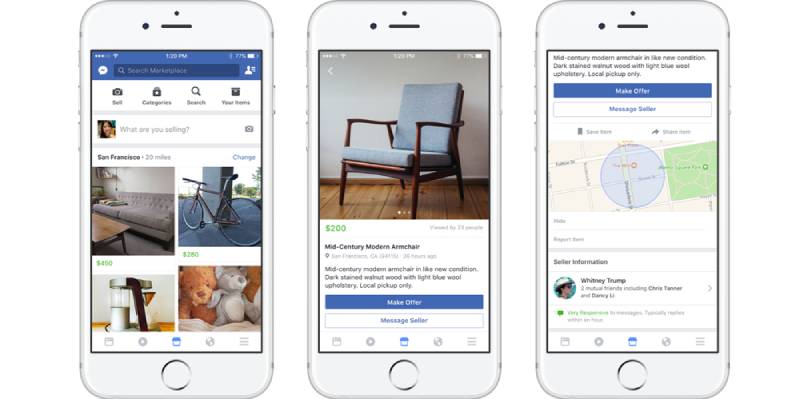
Facebook Marketplace is a peer-to-peer selling feature built directly into the Facebook app, giving sellers instant access to a built-in audience of over 1 billion monthly active users. According to OfferUp’s 2025 Recommerce Report, 93% of Americans bought secondhand in 2025, and Facebook Marketplace is a primary channel for that activity. Available on iOS, Android, and web.
What Does Facebook Marketplace Do?
Facebook Marketplace lets any Facebook user list items for local pickup or nationwide shipping, communicate through Messenger, and complete transactions with or without shipping depending on the category.
How Is Facebook Marketplace Similar to Poshmark?
Both support secondhand clothing and accessories and allow sellers to set their own prices, communicate directly with buyers, and handle peer-to-peer transactions from a mobile app.
How Is Facebook Marketplace Different from Poshmark?
- Local pickup is completely free (no seller fees); shipped orders incur a 5% fee ($0.40 minimum)
- No fashion-specific community features, sharing tools, or curated closets
- Covers all categories (furniture, vehicles, electronics); not fashion-focused
Who Is Facebook Marketplace Best For?
Facebook Marketplace suits sellers who want zero fees on local transactions, move large or bulky items, or want maximum audience reach without building a separate resale account.
Key Features of Facebook Marketplace
- Local fee: 0% for in-person pickup
- Shipping fee: 5% of sale price ($0.40 minimum)
- Audience: 1 billion+ monthly users; built into existing Facebook profile
- Communication: Facebook Messenger for all buyer-seller contact
Pricing
- Free plan: Yes, free to list and sell locally
- Paid plans: None
- Free trial: N/A
Grailed
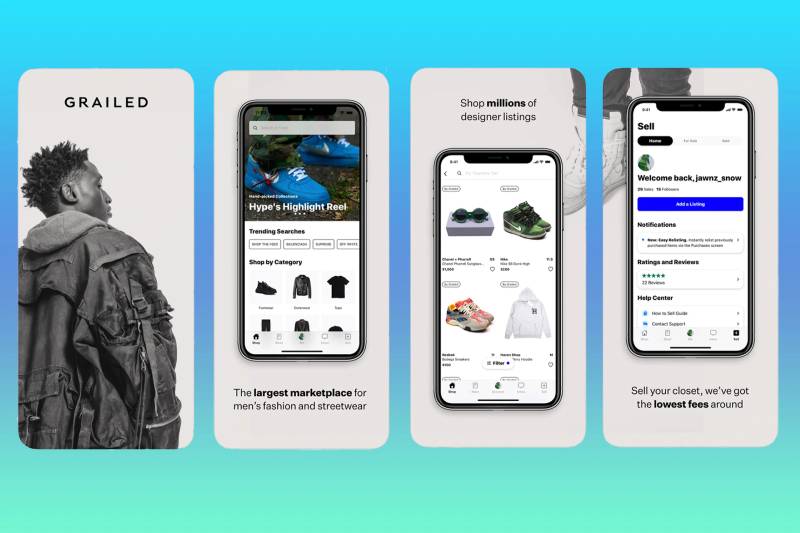
Grailed is a curated online marketplace for men’s designer, streetwear, and vintage fashion, with a buyer community that knows exactly what it’s looking for. It expanded to include womenswear in 2022. Available on iOS, Android, and web.
What Does Grailed Do?
Grailed lets sellers list high-end menswear, vintage pieces, and streetwear with photo uploads, condition notes, and direct negotiation through in-app offers and messaging.
How Is Grailed Similar to Poshmark?
Both are peer-to-peer fashion resale platforms with social elements, offer/counteroffer functionality, and seller profiles. Both support brand-name and designer clothing across multiple categories.
How Is Grailed Different from Poshmark?
- Grailed’s audience is highly niche (streetwear, luxury menswear, designer drops)
- 9% commission + payment processing; lower than Poshmark’s 20% for high-value items
- Buyers are aggressive negotiators; pricing strategy differs significantly from Poshmark
Who Is Grailed Best For?
Grailed suits sellers with Supreme, Raf Simons, Off-White, vintage Levi’s, or similar high-knowledge streetwear and designer pieces, where Poshmark’s mainstream buyer base isn’t the right audience.
Key Features of Grailed
- Commission: 9% + payment processing per sale
- Tiers: Grailed (general), Hype (verified streetwear), Grailed Basics
- Authentication: Available for high-value items via Grailed Protection
- Listing requirements: Minimum 3 photos; curated review before going live
Pricing
- Free plan: Yes, free to list
- Paid plans: None
- Free trial: N/A
Etsy
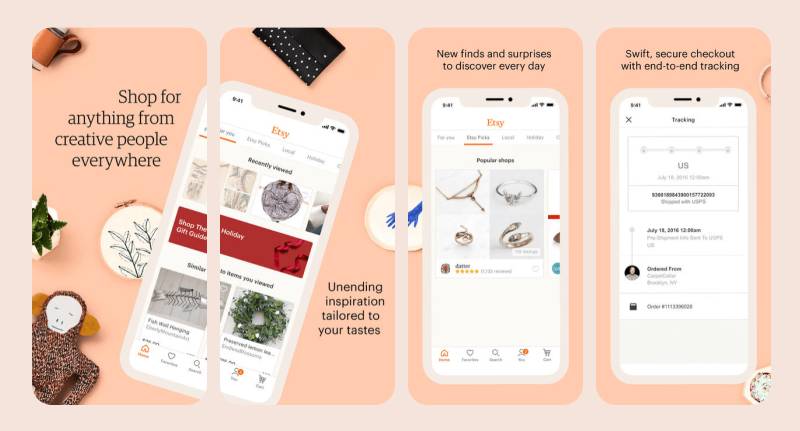
Etsy is a marketplace for handmade, vintage (20+ years old), and craft supply items, with a strong resale community around one-of-a-kind clothing, accessories, and home goods. It has millions of active buyers who specifically seek curated, non-mass-produced items. Available on iOS, Android, and web.
What Does Etsy Do?
Etsy lets sellers build branded storefronts to sell handmade products, vintage clothing, and craft supplies, with access to built-in SEO tools, analytics, and promotional features.
How Is Etsy Similar to Poshmark?
Both support secondhand and vintage fashion sales through individual seller storefronts. Both have buyer review systems and mobile apps for managing inventory and orders on the go.
How Is Etsy Different from Poshmark?
| Feature | Etsy | Poshmark |
| Listing Fee | $0.20 per item (lasts 4 months) | Free to list |
| Commission | 6.5% transaction fee + 3% + $0.25 processing (US) | 20% flat (or $2.95 for items under $15) |
| Focus | Handmade, vintage (20+ years), craft supplies | Fashion, accessories, home decor, lifestyle |
| Social Features | Primarily SEO-driven; limited social interaction | High; sharing, follows, Posh Parties, Live Shows |
| Seller Effort | “Set and forget” (SEO/Keyword heavy) | Active (Regular sharing/engagement required) |
| Shipping | Seller-managed (Flexible rates/labels) | Buyer-paid flat rate (Prepaid labels for sellers) |
Who Is Etsy Best For?
Etsy suits sellers with true vintage pieces (20+ years old), handmade clothing, or craft items who want to build a branded shop with storytelling, rather than a simple closet-clearing platform.
Key Features of Etsy
- Listing fee: $0.20 per item, renewed every 4 months
- Transaction fee: 6.5% per sale + payment processing
- Offsite Ads: 12% fee on sales from ads (shops over $10,000/year); 15% for smaller shops
- Analytics: Built-in traffic and conversion tracking per listing
Pricing
- Free plan: Yes (with per-listing and transaction fees)
- Paid plans: Etsy Plus at $10/month for additional tools
- Free trial: No
OfferUp
OfferUp is a mobile-first local marketplace focused on connecting buyers and sellers in the same area, with over 1 in 6 US adults using the platform in 2024. It merged with Letgo in 2020 and now operates over 2,000 Community MeetUp Spots for safe in-person exchanges. Available on iOS and Android.
What Does OfferUp Do?
OfferUp lets users list items for local pickup or nationwide shipping, with TruYou identity verification, in-app messaging, and buyer/seller ratings to support safe transactions.
How Is OfferUp Similar to Poshmark?
Both are peer-to-peer resale platforms with mobile apps, direct buyer-seller messaging, and seller rating systems. Both allow clothing and accessories listings alongside other product categories.
How Is OfferUp Different from Poshmark?
- Local pickup is free with no transaction fees; shipped orders carry a 12.9% fee ($1.99 minimum)
- Primary use case is local, in-person sales; Poshmark is shipping-first
- No fashion-specific features (no sharing tools, Posh Parties, or closet curation)
Who Is OfferUp Best For?
OfferUp suits sellers who prefer face-to-face transactions, have bulky items that are impractical to ship, or want to move inventory quickly at zero cost in their local area.
Key Features of OfferUp
- Local fee: 0% for in-person transactions
- Shipping fee: 12.9% + $1.99 minimum per shipped transaction
- Safety: TruYou verification badges; 2,000+ monitored MeetUp Spots
- Categories: Fashion, electronics, furniture, vehicles, home goods
Pricing
- Free plan: Yes, free to list and sell locally
- Paid plans: Optional “Promote” feature for paid visibility boosts
- Free trial: N/A
What Makes an App a Real Alternative to Poshmark?
Not every secondhand selling app qualifies as a true Poshmark alternative. The ones worth considering share the same core function: letting individuals list, sell, and ship preloved clothing directly to buyers without needing a storefront or retail infrastructure.
Four dimensions separate a real alternative from a loosely related resale app:
- Seller fee structure relative to Poshmark’s 20% commission baseline
- Target audience (vintage collectors, luxury buyers, casual declutterers, or general resellers)
- Shipping model (prepaid labels, buyer-paid, or local pickup only)
- Platform reach and buyer intent quality
The U.S. secondhand apparel market grew 14% in 2024, outpacing traditional retail clothing by 5x, according to ThredUp’s 2025 Resale Report.
That growth has produced a genuinely fragmented landscape. Depop, Mercari, Vinted, eBay, Grailed, The RealReal, ThredUP, Facebook Marketplace, Etsy, and OfferUp each cover a different slice of the peer-to-peer fashion resale space.
The right alternative depends on what you sell, not just what you’re paying in fees.
| Platform Type | Best For | Key Trade-off |
| Social Fashion (Depop) | Vintage, streetwear, Gen Z buyers | Zero selling fees (US/UK); 3.3% + $0.45 processing fee |
| Peer-to-Peer (Mercari) | Mixed inventory, clothing + electronics | 10% selling fee + payment processing; broad but non-social |
| Zero Seller Fee (Vinted) | Fast fashion clearouts, volume sellers | Buyers pay protection fee; authenticated niche is smaller |
| Luxury Consignment (TRReal) | Designer goods, authenticated brands | Hands-off selling; high commission (20–80% based on value) |
| Local Marketplace (OfferUp) | Bulky items, zero-fee local sales | No fashion community; limited to local pickup reach |
A record 58% of U.S. consumers purchased secondhand apparel in 2024, up 6 points from 2023 (ThredUp/GlobalData).
That audience is spread across all of these platforms. Picking one based on fee savings alone leaves buyers on the table.
How Do Seller Fees Compare Across Poshmark Alternatives?
Fees are where the differences get real. Poshmark’s 20% flat commission on sales over $15 is one of the highest in the peer-to-peer fashion resale space, and most alternatives undercut it significantly.
| Platform | Seller Fee | Notes |
| Poshmark | 20% | $2.95 flat for sales under $15; 20% for $15+ |
| Depop | 3.3% + $0.45 | 0% selling fee in US/UK; only processing fees apply |
| Mercari | 10% + 2.9% + $0.50 | 10% fee returned Jan 2025; buyers pay service fees |
| Vinted | 0% | Sellers pay $0; buyers pay “Buyer Protection” fee |
| eBay | ~13.25% + $0.30 | Varies by category; first 250 listings/month free |
| Grailed | 9% + 3.49% + $0.49 | 9% commission; processing varies by region/Stripe |
| ThredUP | 20%–85% | Consignment; payout % scales with item price |
| The RealReal | 20%–80% | High-end consignment with authentication included |
| Facebook Marketplace | 0% local / 5% shipped | $0.40 minimum on shipped orders; 0% for local pickup |
| OfferUp | 0% local / 12.9% shipped | $1.99 minimum on shipped orders; 0% for local pickup |
Consignment platforms like ThredUP and The RealReal work differently from peer-to-peer models. The seller ships items in, the platform handles everything, and takes a larger cut. The trade-off is zero effort on the seller’s end.
Key difference: Vinted’s zero-fee structure shifts the cost to buyers, who pay a buyer protection fee on every transaction. Sellers keep 100% of the listed price.
On a $50 sale, the payout difference between Poshmark ($40) and Depop ($48.05) is $8.05 per transaction. That adds up quickly on volume.
Depop generated $788 million in gross merchandise sales in 2024 after eliminating its 10% seller commission, suggesting the fee removal drove meaningful volume growth (ALM Corp analysis).
Which Apps Work Best for Specific Types of Clothing?
Platform-inventory fit matters more than fee savings alone. Lululemon leggings and a Supreme hoodie don’t belong in the same marketplace strategy.
What Sells Best on Depop vs. Poshmark?
Depop’s strength: vintage clothing, Y2K fashion, streetwear, and one-of-a-kind pieces.
Roughly 90% of Depop’s active users are under 26, making it the go-to online consignment shop for Gen Z fashion resale (Harris Poll/QuestBrand data). The platform saw a +12.0% brand equity lift among Gen Z adults from Q4 2024 to Q1 2025.
- Vintage graphic tees, Y2K denim, oversized silhouettes move fastest
- DKNY searches on Depop were up 49% in H2 2024
- Depop’s AI-personalized feed now curates listings by size and style preference
Poshmark, by contrast, drives volume in mainstream brands like Nike, Lululemon, Coach, and Free People. Its social sharing and Posh Parties create discovery that benefits recognized label names more than niche vintage pieces.
If your closet has both a vintage Carhartt jacket and a pair of Lululemon Align leggings, list them in different places.
When Does Luxury Consignment Beat Peer-to-Peer Selling?
Two scenarios: when the item needs authentication, and when you don’t have time to manage the listing yourself.
The RealReal handles photography, listing, authentication, and buyer communication. Sellers ship items and wait for a payout. Commission ranges from 20-80% depending on item category and sale value.
Grailed fits sellers who want to stay hands-on with pricing and negotiation for streetwear and designer menswear. Its 9% commission is lower, but buyers are aggressive negotiators who expect room in the price.
40% of Gen Z buy preloved clothes because they can’t find the style in current retail collections, according to WGSN Barometer data. Luxury consignment platforms capture the buyers willing to pay a premium for verified, hard-to-find pieces.
| Inventory Type | Best Platform | Why (2026 Update) |
| Vintage / Streetwear | Depop | 0% Selling Fee (US/UK) for new listings. High “aesthetic” discovery and Gen Z density. |
| Luxury / Designer | The RealReal | Full-service consignment; they handle photos and authentication. Payouts range from 20% to 80% based on item value. |
| Luxury / Designer | Collective locker room | Best for global reach. 12%–25% commission (e.g., 18% for a $1k bag). Mandatory in-house authentication. |
| Mainstream Brands | Poshmark | 20% flat fee ($15+). Large community; “Posh Shows” (Live) drive high volume for brands like Anthropologie or Nike. |
| Mainstream Brands | To be bought | 10% fee + 2.9% + $0.30 processing. Better for electronics and home goods due to flexible shipping (up to 50 lbs). |
| Fast Fashion / Misc | Vinted | 0% seller fees. High turnover for low-cost items (Zara, H&M) where high commissions would eat all profit. |
| Local / Bulky Items | FB Marketplace | 0% local fee. Best for furniture, strollers, or heavy bundles that are expensive to ship. |
| Kids / Baby Clothing | Kidiz | 12% + $0.50 fee. Community-focused; features “Style Scouts” who can list for you if you’re busy. |
How Do Shipping and Payout Models Differ Between These Platforms?
Fees are only part of the operational picture. Shipping logistics and payout timing directly affect how much effort each sale actually takes.
Prepaid label platforms: Poshmark includes a prepaid USPS label in its fee structure. Mercari provides discounted USPS rates with automatic tracking. Both remove the need for sellers to source their own shipping.
Seller-arranged shipping: Depop stopped providing prepaid labels in February 2025. Grailed sellers set their own shipping price or offer free shipping, with tracking upload required within 3 days of sale.
Consignment logistics are entirely hands-off.
- ThredUP sends a Clean Out Kit ($14.99); sellers ship items in a prepaid bag and receive payouts only after items sell
- The RealReal offers in-home pickup in select cities for high-value consignments
- Both handle photography, listing, and buyer communication with no seller involvement
Payout timing varies more than most sellers expect:
- Poshmark: funds released 3 days after delivery confirmation
- Mercari: payment after buyer rates or 3-day automatic release
- Vinted: bank transfer within 5 business days (minimum $0.10 withdrawal)
- OfferUp / Facebook Marketplace: cash on local pickup; near-instant payout
The July 2025 “One Big Beautiful Bill Act” reverted the federal 1099-K reporting threshold to $20,000 and 200+ transactions, eliminating the controversial $600 rule that would have required most casual resellers to file tax forms. This applies to all platforms.
Is Cross-Listing Across Multiple Resale Apps Worth It?
Short answer: yes, if you manage it correctly. The sell-through rate difference is hard to ignore.
Vendoo data shows sellers who list on 3 or more marketplaces have a sell-through rate 180% higher than those who list on fewer platforms.
The math makes sense. Different platforms attract different buyers. A Grailed buyer hunting for a Raf Simons coat won’t find it on Poshmark. A Facebook Marketplace buyer looking for a quick local deal won’t scroll Depop. Putting the same item in front of all three audiences just increases odds.
The standard cross-listing workflow:
- Create a master listing on eBay (it requires the most detailed attributes)
- Use a cross-listing tool to push it to Poshmark, Mercari, Depop, Grailed, and Vinted
- Set up auto-delisting so the item comes down from all platforms the moment it sells on one
Tools built for this include Vendoo, List Perfectly, Crosslist, and Nifty. Nifty users report going from ~$600 to $1,800 monthly profit after adding cross-listing automation. One reseller publicly documented doubling income in 2024 compared to 2023 after integrating Nifty into their workflow.
The main risk is double-selling. Without auto-delisting, a sold item that still shows as available on three other platforms creates refunds, negative reviews, and account flags. Every serious cross-listing tool solves this with real-time inventory sync.
The secondhand market’s scale makes this worth setting up. The U.S. recommerce market is projected to reach $306.5 billion by 2030, with OfferUp’s 2025 Recommerce Report showing 93% of Americans bought something secondhand in the past year.
Platform pairing logic that works:
- Depop + Grailed for vintage and designer pieces (overlapping style-conscious buyers)
- Mercari + eBay for mixed inventory (broader categories, competitive fees)
- Facebook Marketplace + OfferUp for local-first items with shipping as a secondary option
- Poshmark + Vinted for mainstream fashion brands (different fee structures, similar audience intent)
Online resale in the U.S. grew 23% in 2024, its strongest rate since 2021 (ThredUp/GlobalData). That growth makes the inventory effort worthwhile, but only if listings are placed on platforms where the right buyers are already looking.
FAQ on Apps Like Poshmark
What is the best alternative to Poshmark for selling clothes?
Depop and Mercari are the strongest alternatives. Depop charges near-zero seller fees and attracts Gen Z buyers looking for vintage and streetwear. Mercari works better for mixed inventory with a flat 10% commission and a broader category range.
Which resale app has the lowest seller fees?
Vinted charges zero seller fees. Depop comes close, charging only 3.3% plus $0.45 for payment processing. Both undercut Poshmark’s 20% commission significantly, making them the top choices for sellers focused on keeping more profit per sale.
Is Depop better than Poshmark?
Depop is better for vintage clothing and streetwear. Poshmark performs better for mainstream brands like Lululemon and Nike. The right choice depends on your inventory. Depop’s buyer base skews younger, with roughly 90% of active users under 26.
Can you sell on multiple resale apps at the same time?
Yes. Cross-listing on Poshmark, Mercari, Depop, and eBay is standard practice. Use tools like Vendoo or List Perfectly to manage listings across platforms. Always enable auto-delisting to prevent selling the same item twice.
What app is best for selling luxury or designer clothes?
The RealReal handles authenticated luxury consignment, including designer handbags, watches, and high-end fashion. Grailed is strong for designer menswear and streetwear. Both attract buyers willing to pay premium prices for verified, brand-name pieces.
Is Mercari a good alternative to Poshmark?
Mercari is a solid secondhand clothing platform with simpler fees and a broader category range. It lacks Poshmark’s social features but makes up for it with lower commissions and a faster listing process. Good for casual and volume sellers alike.
What is the best free app to sell used clothes?
Facebook Marketplace has no fees for local pickup sales. Vinted is free for sellers on shipped transactions too. Both are strong peer-to-peer marketplace options for clearing out a wardrobe without paying platform commissions on every sale.
How does ThredUP compare to Poshmark?
ThredUP is a full-service consignment platform. You ship clothes in, they handle listing and sales. Payouts are lower, ranging from 20% to 85% of the sale price. Poshmark gives sellers more control over pricing, but requires active listing management.
Which app is best for selling vintage clothing online?
Depop is the top platform for vintage resale, driven by a Gen Z audience actively searching for preloved and retro pieces. Etsy also performs well for true vintage items (20+ years old), especially with buyers who value curated, one-of-a-kind finds.
Are there apps like Poshmark that work locally?
OfferUp and Facebook Marketplace both support local clothing resale with zero fees on in-person pickup transactions. OfferUp adds TruYou identity verification and 2,000+ monitored meetup spots, making it one of the safer options for local selling.
Conclusion
This conclusion is for an article presenting the strongest secondhand clothing apps available as alternatives to Poshmark in 2025.
No single platform wins across every category. Vinted suits high-volume sellers who want zero commission. Grailed serves streetwear and designer menswear. ThredUP handles consignment without any seller effort.
The smarter move is matching inventory type to buyer intent. Vintage pieces belong on Depop. Luxury handbags belong on The RealReal. Cross-listing tools like Vendoo and List Perfectly make running multiple platforms manageable without doubling your workload.
The online resale market is growing fast and the buyer pool is spread across every platform on this list. Pick the ones that fit what you sell, keep fees low, and let the inventory work harder.

- How Software Teams Write SOPs for Releases and Deployments - October 22, 2026
- Notepad++ Android Options: Apps That Come Close - October 21, 2026
- Data Management Services: A Practical Guide for Growing Companies - October 21, 2026