The global mobile application development market generates hundreds of billions annually, yet most aspiring developers never launch their first product. Finding profitable app ideas that solve real problems separates successful startups from abandoned side projects.
This guide examines 20 validated app concepts across productivity, health, finance, and lifestyle categories. Each idea includes target users, technical requirements, monetization strategies, and market differentiation insights based on current industry data.
You’ll discover opportunities requiring minimal technical complexity alongside sophisticated platforms demanding advanced software development capabilities. Whether building for iOS, Android, or cross-platform deployment, these concepts address genuine user needs with proven demand.
App Ideas
| App Type | Primary Entity | Core Attributes | User Objective |
|---|---|---|---|
| Habit Tracker | Behavioral Pattern | Frequency, duration, streak count, completion rate | Build consistent daily routines through pattern reinforcement |
| Recipe Organizer | Culinary Information | Ingredients, preparation time, dietary restrictions, cuisine type | Centralize meal preparation instructions for efficient cooking |
| Expense Splitter | Financial Transaction | Amount, participants, payment status, calculation method | Divide shared costs equitably among multiple individuals |
| Mood Journal | Emotional State | Emotion type, intensity level, trigger factors, timestamp | Monitor psychological well-being through emotional documentation |
| Plant Care Reminder | Botanical Maintenance | Watering schedule, sunlight requirements, species type, growth stage | Maintain plant health through scheduled horticultural tasks |
| Book Club Manager | Literary Discussion | Reading schedule, member participation, discussion topics, book metadata | Coordinate group reading activities and facilitate literary exchange |
| Workout Timer | Exercise Duration | Interval length, rest period, repetition count, exercise type | Structure physical training sessions with timed intervals |
| Study Flashcards | Educational Content | Question-answer pairs, subject category, difficulty level, review frequency | Enhance memory retention through spaced repetition learning |
| Travel Itinerary Planner | Journey Schedule | Destination, date-time, activity type, reservation details | Organize trip components in chronological travel sequence |
| Daily Water Intake Tracker | Hydration Measurement | Volume consumed, target goal, consumption time, container size | Monitor fluid consumption to maintain optimal hydration levels |
| Meditation Timer | Mindfulness Practice | Session duration, technique style, ambient sound, breathing pattern | Support contemplative practices with structured time allocation |
| Password Generator | Security Credential | Character length, complexity requirements, character types, randomness | Create cryptographically strong authentication strings |
| Budget Calculator | Financial Allocation | Income amount, expense categories, savings target, calculation period | Determine monetary distribution across spending categories |
| Pet Care Scheduler | Animal Maintenance | Feeding time, veterinary appointments, grooming needs, species characteristics | Manage companion animal welfare through scheduled care activities |
| Movie Watchlist | Film Collection | Title, genre, viewing status, release year, rating | Curate cinematic content for future viewing sessions |
| Language Learning Vocabulary | Linguistic Knowledge | Word translation, pronunciation, usage context, proficiency level | Expand foreign language lexicon through systematic study |
| Grocery List Manager | Shopping Inventory | Item name, quantity, store location, purchase status | Organize food procurement items for retail purchasing |
| Sleep Tracker | Rest Cycle | Duration, sleep quality, bedtime, wake time, interruptions | Analyze nocturnal rest patterns for circadian optimization |
| Goal Setting App | Achievement Target | Objective description, deadline, progress metrics, milestone breakdown | Define and track personal objectives toward completion |
| Random Decision Maker | Choice Selection | Option list, randomization algorithm, selection constraints, result history | Generate unbiased selections from multiple alternatives |
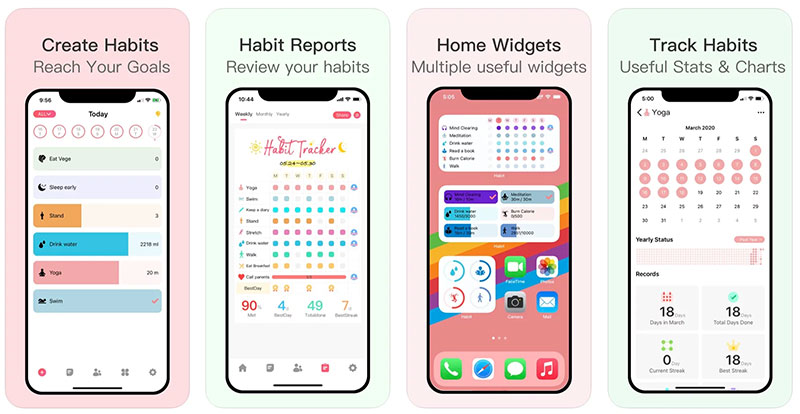
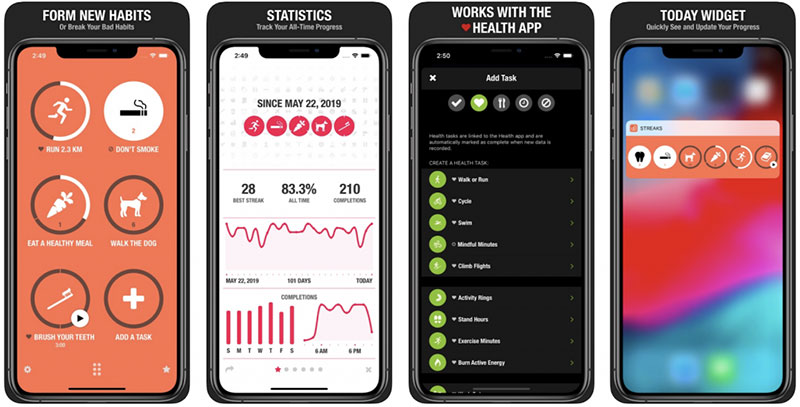
Habit Tracker
Core Concept
Tracks daily routines and behaviors through simple check-in systems. Users mark habits as complete or incomplete while the platform displays streak data and progress metrics.
Target Users
Self-improvement enthusiasts seeking behavioral change represent the primary demographic. Health-conscious individuals, productivity seekers, and people managing mental wellness conditions benefit from consistent tracking.
Key Features
Visual streak calendars show consecutive completion days. Customizable habit templates cover fitness, mindfulness, productivity, and learning goals. Reminder notifications prompt users at optimal times. Statistical analysis reveals patterns through charts and completion rates.
Problem Solved
Manual tracking through paper journals proves tedious and inconsistent. People struggle to maintain accountability without visual progress indicators or automated reminders.
Technical Requirements
Runs on iOS and Android platforms. Requires cloud-based infrastructure for data synchronization across devices. Apple Health and Google Fit API integration enhances functionality.
Monetization Potential
Freemium models generate $15,000 monthly for solo developers. Premium subscriptions unlock unlimited habits, detailed analytics, and ad-free experiences. Annual subscriptions range from $30-$50 per user.
Market Differentiation
The global habit tracking market reached $11.42 billion in 2024 with 14.41% annual growth projected through 2033. Most apps lack robust AI-powered personalization or comprehensive behavioral science integration.
Development Complexity
Moderate difficulty level requiring 2-6 months for MVP deployment. Front-end frameworks like React Native or Flutter accelerate cross-platform development.
Recipe Organizer

Core Concept
Centralizes cooking instructions from multiple sources into one searchable database. Users import recipes from websites, add personal creations, and organize collections by category or dietary preference.
Target Users
Home cooks who accumulate recipes from blogs, social media, and family sources. Health-conscious meal preppers, cooking enthusiasts, and busy parents managing weekly meal rotations.
Key Features
Web browser extensions scrape recipe data automatically. Offline access ensures recipes remain available without internet connectivity. Grocery list generation pulls ingredients from selected recipes. Meal planning calendars schedule dishes across weeks or months.
Problem Solved
Recipe collections scatter across bookmarks, screenshots, and paper clippings. Finding specific dishes becomes frustrating. Scaling ingredients for different serving sizes requires manual calculations.
Technical Requirements
Requires back-end services for recipe parsing and storage. Cloud synchronization enables access across phones, tablets, and web apps. Computer vision APIs extract recipe data from photos.
Monetization Potential
Recipe apps generate $5.5-$13.8 billion annually. Subscription models charge $3-$5 monthly for premium features. Affiliate partnerships with grocery delivery services and kitchen equipment brands provide commission revenue. In-app advertising targets food-related products.
Market Differentiation
Most recipe platforms lack comprehensive import capabilities or robust meal planning tools. AI-powered recipe recommendations based on available ingredients remain underutilized. Integration with smart kitchen appliances offers untapped potential.
Development Complexity
Intermediate complexity spanning 3-5 months. Recipe parsing algorithms require sophisticated data extraction. API connections to grocery delivery services add development time.
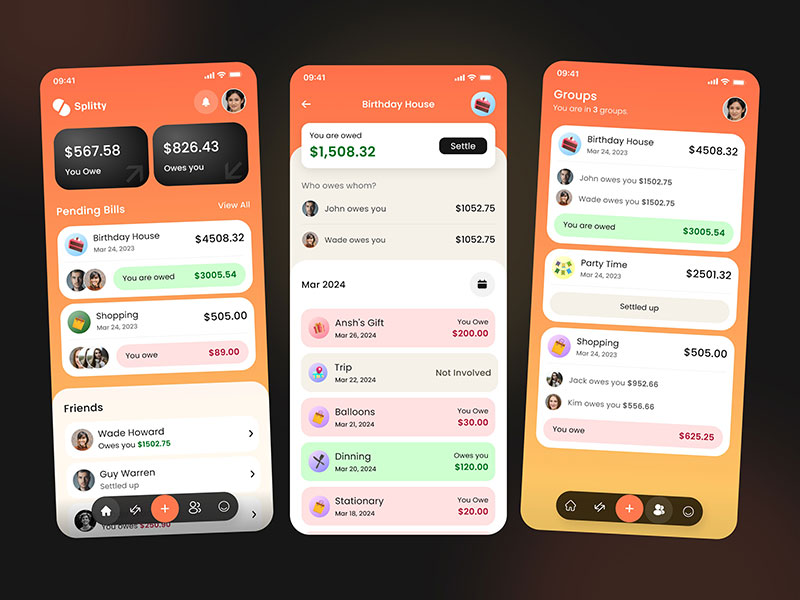
Expense Splitter
Core Concept
Calculates shared costs among groups and tracks who owes money to whom. Users add expenses, assign participants, and the system determines optimal payment paths to settle balances.
Target Users
Roommates splitting rent and utilities. Friend groups managing travel expenses, restaurant bills, and shared activities. Couples tracking joint purchases.
Key Features
Group creation supports multiple ongoing expense categories. Equal or custom split percentages accommodate various sharing scenarios. Payment integration through Venmo, PayPal, and bank transfers enables in-app settlements. Expense categorization tracks spending patterns. Currency conversion handles international travel.
Problem Solved
Manual expense tracking causes errors and forgotten debts. Group finances create awkward conversations. Calculating complex splits for multiple people proves time-consuming.
Technical Requirements
Native app development for iOS and Android. Payment gateway integration requires secure transaction processing. Real-time synchronization ensures all group members see updated balances instantly.
Monetization Potential
Splitwise generates $2-5 million annually with 2.8 million monthly users. Freemium models restrict transaction limits while premium subscriptions ($40 annually) remove restrictions. Transaction fees on integrated payments provide additional revenue.
Market Differentiation
Venmo Groups entered the market but requires all participants use Venmo. Dedicated splitters offer better group tracking and debt simplification algorithms. Receipt scanning and automatic expense categorization differentiate premium offerings.
Development Complexity
Moderate to high complexity requiring 4-6 months. Payment processing integration demands rigorous security testing. Software testing lifecycle must verify calculation accuracy across complex splitting scenarios.
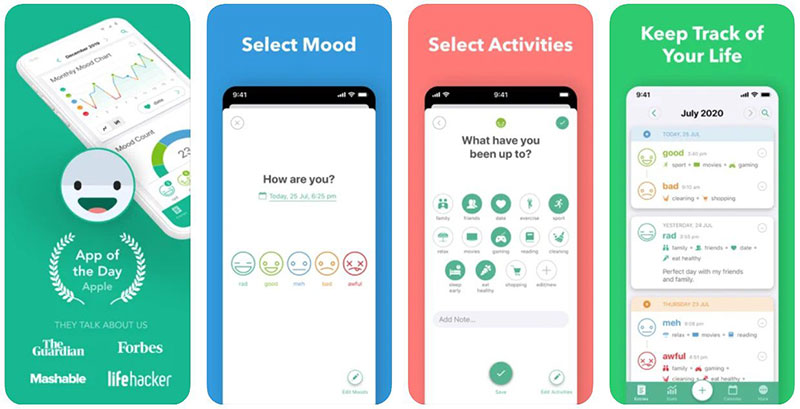
Mood Journal
Core Concept
Records emotional states throughout days or weeks with minimal text input. Users select mood descriptors, add contextual notes, and review patterns through visual reports.
Target Users
People managing mental health conditions like depression, anxiety, or bipolar disorder. Therapy patients tracking emotional triggers. Self-awareness seekers exploring emotional patterns.
Key Features
Quick mood logging requires just taps to capture emotional states. Custom emotion tags describe specific feelings. Activity correlation identifies connections between behaviors and moods. Therapy-friendly reports export data for healthcare providers. Cognitive behavioral therapy prompts guide healthier thinking patterns.
Problem Solved
Remembering emotional states during therapy sessions proves difficult. Identifying mood triggers requires pattern recognition over time. Traditional journaling demands significant time and effort.
Technical Requirements
Simple mobile application development for smartphones. Data encryption protects sensitive mental health information. Biometric authentication adds privacy layers.
Monetization Potential
Mental health app market generates substantial revenue through subscriptions. Premium features ($5-10 monthly) unlock advanced analytics and unlimited entries. Corporate wellness programs license apps for employee mental health initiatives.
Market Differentiation
Many trackers lack clinical grounding in psychological research. Integration with therapy platforms and healthcare providers remains rare. AI-powered insights identifying mood patterns offer competitive advantages.
Development Complexity
Low to moderate complexity achievable in 2-4 months. UI/UX design focuses on emotional sensitivity and accessibility. Data visualization requires thoughtful implementation.
Plant Care Reminder
Core Concept
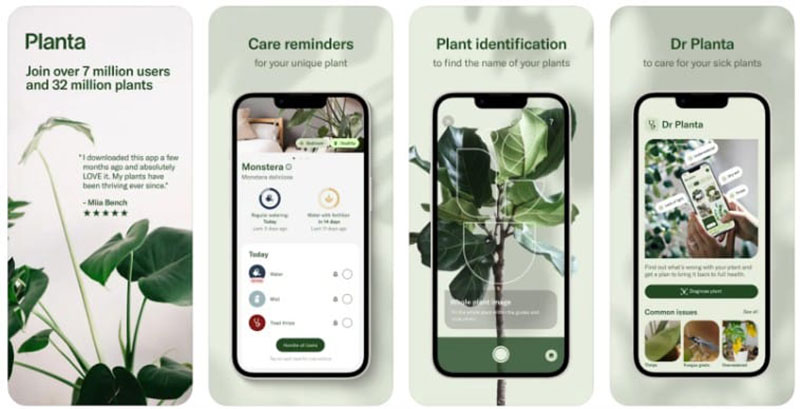
Schedules watering, fertilizing, and maintenance tasks for indoor and outdoor plants. Users create plant profiles with specific care requirements and receive timely reminders.
Target Users
Urban gardeners managing houseplant collections. Busy professionals who forget plant care schedules. New plant owners learning specific species requirements.
Key Features
Plant identification through photo recognition suggests care schedules. Customizable reminder frequencies account for seasonal variations. Growth tracking documents plant development through photos. Care history logs watering dates and fertilizer applications. Plant disease diagnosis helps identify problems.
Problem Solved
Plant care schedules vary widely by species. Overwatering or underwatering kills plants. Remembering which plants need attention becomes overwhelming with large collections.
Technical Requirements
Cross-platform frameworks enable iOS and Android deployment. Computer vision APIs power plant identification. Push notification services deliver timely reminders.
Monetization Potential
Gardening app market shows steady growth. Subscription models charge $3-8 monthly for unlimited plants and premium features. Affiliate partnerships with plant retailers and gardening supply companies generate commission income. Sponsored content from nurseries and gardening brands.
Market Differentiation
Most plant apps lack comprehensive species databases or accurate care recommendations. Smart sensor integration monitors soil moisture and light levels automatically. Community features enable plant enthusiasts to share experiences.
Development Complexity
Moderate difficulty spanning 3-5 months. Building extensive plant care databases requires botanical research. Machine learning models for plant identification need training data.
Book Club Manager
Core Concept
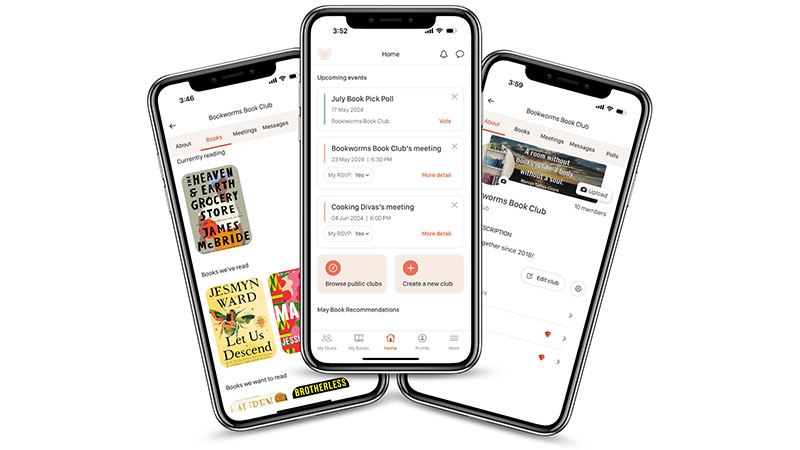
Organizes reading groups through discussion scheduling, book selection voting, and member communication. Centralizes club activities in one platform.
Target Users
Book club organizers coordinating member schedules. Reading groups seeking structured discussion frameworks. Library groups managing multiple simultaneous book selections.
Key Features
Meeting scheduling with availability polling. Book selection voting determines next reads. Discussion question libraries guide conversations. Reading progress tracking shows member completion rates. Virtual meeting integration connects remote members.
Problem Solved
Coordinating schedules across multiple members proves frustrating. Book selection disputes waste meeting time. Discussion preparation requires framework guidance. Scattered communication across email, text, and messaging apps.
Technical Requirements
Web application with mobile responsive design. Calendar integration syncs with Google Calendar and Apple Calendar. Video conferencing APIs enable virtual discussions.
Monetization Potential
Freemium model limits free clubs to 5-10 members. Premium subscriptions ($5-10 monthly) unlock unlimited members and advanced features. Book retailer affiliate programs generate commission. Sponsored recommendations from publishers.
Market Differentiation
Generic scheduling apps lack book-specific features. Reading platforms like Goodreads don’t focus on group management. Integration with library systems and ebook platforms offers convenience.
Development Complexity
Low to moderate complexity requiring 2-4 months. Calendar and video integration add technical challenges. Software development best practices ensure reliable scheduling.
Workout Timer
Core Concept
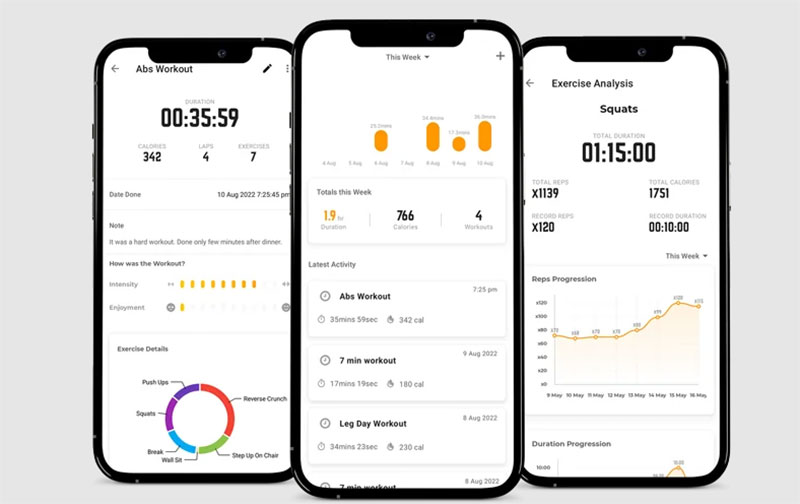
Creates interval training sessions with customizable work and rest periods. Visual and audio cues guide users through timed exercise routines.
Target Users
Fitness enthusiasts following interval training protocols. Personal trainers designing client workouts. Home exercisers requiring structure without gym equipment.
Key Features
Preset interval templates for HIIT, Tabata, and circuit training. Custom timer creation allows personalized routines. Exercise libraries with video demonstrations. Rest period countdowns with audible alerts. Workout history tracks completed sessions.
Problem Solved
Generic timers lack fitness-specific functionality. Following complex interval patterns requires constant clock watching. Remembering exercise sequences interrupts workout flow.
Technical Requirements
Simple native mobile development for iOS and Android. Background timers maintain functionality when phone locks. Apple Watch and Android Wear integration extends usability.
Monetization Potential
Freemium approach limits free timers to basic intervals. Premium versions ($3-5 monthly) unlock unlimited custom timers and exercise libraries. One-time purchases ($10-20) provide lifetime access. Fitness brand sponsorships and equipment affiliate links.
Market Differentiation
Many timer apps lack exercise-specific features or require paid subscriptions for basic functionality. Integration with fitness tracking platforms and wearables enhances value. Community-shared workout templates foster engagement.
Development Complexity
Low complexity achievable in 1-3 months. Timer functionality represents straightforward implementation. Wearable integration increases development time slightly.
Study Flashcards
Core Concept
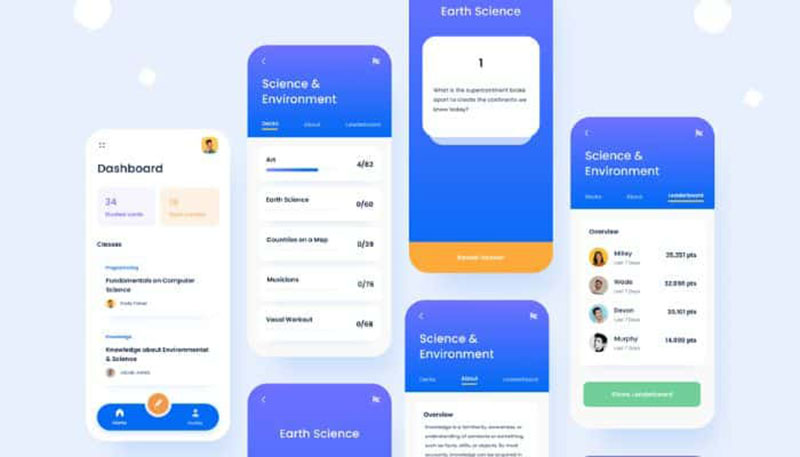
Digital flashcard system using spaced repetition algorithms to optimize learning retention. Users create card decks or import pre-made sets for various subjects.
Target Users
Students preparing for exams across academic levels. Language learners building vocabulary. Professional certification candidates studying technical material.
Key Features
Spaced repetition algorithms schedule card reviews at optimal intervals. Multimedia support includes images, audio, and video. Deck sharing enables collaborative learning. Progress tracking measures retention rates. Offline access ensures studying anywhere.
Problem Solved
Paper flashcards prove cumbersome to carry and organize. Optimal review timing requires manual scheduling. Finding quality study materials wastes preparation time.
Technical Requirements
Mobile app development for primary platforms. Cloud synchronization maintains progress across devices. Algorithms implement scientifically-proven spaced repetition formulas.
Monetization Potential
Education app market generates billions annually. Subscription models ($5-10 monthly) unlock unlimited decks and advanced features. Marketplace commissions on user-created premium decks. Institutional licensing for schools and universities.
Market Differentiation
Anki dominates the market but suffers from outdated interfaces. Modern designs with gamification elements attract younger users. AI-generated flashcards from textbook photos offer innovation. Integration with educational platforms like Canvas and Blackboard.
Development Complexity
Moderate difficulty spanning 3-5 months. Spaced repetition algorithms require mathematical precision. Multimedia handling adds technical complexity.
Travel Itinerary Planner
Core Concept
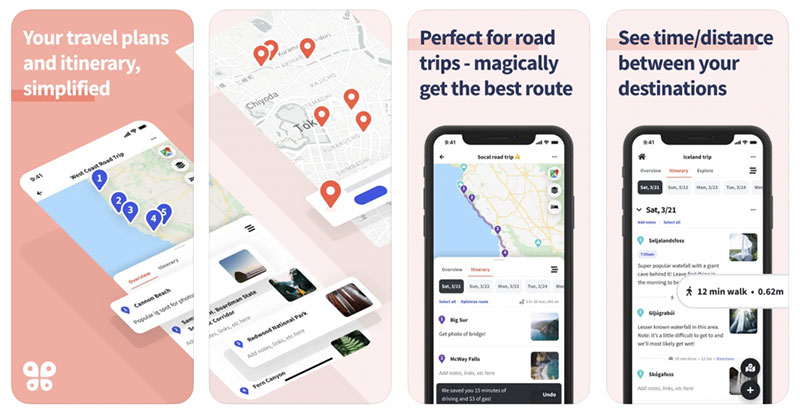
Organizes trip details including flights, accommodations, activities, and reservations in chronological timelines. Consolidates scattered travel information into unified itineraries.
Target Users
Frequent travelers managing complex multi-destination trips. Vacation planners coordinating group travel. Business travelers tracking meeting schedules and transportation.
Key Features
Automatic email parsing extracts reservation details from confirmation messages. Map visualization shows daily locations and routes. Collaborative planning enables group input. Offline access provides itineraries without internet. Document storage keeps tickets and passes accessible.
Problem Solved
Travel details scatter across email, websites, and paper confirmations. Creating chronological itineraries requires manual data entry. Sharing plans with travel companions involves multiple communications. Last-minute changes require updating numerous documents.
Technical Requirements
Email API integration for automatic booking extraction. Mapping services display locations and routes. Cloud storage synchronizes across devices. Currency conversion and language translation APIs enhance international travel.
Monetization Potential
Travel app market shows strong growth. Freemium limits free accounts to 2-3 trips annually. Premium subscriptions ($30-50 yearly) unlock unlimited trips and advanced features. Affiliate commissions from booking platforms and travel services. Sponsored destination recommendations.
Market Differentiation
Email-based services like TripIt require forwarding confirmations. Direct booking platform integration automates data capture. Real-time flight tracking and delay notifications add value. Local recommendation engines personalized to traveler preferences.
Development Complexity
High complexity requiring 5-8 months. Email parsing and booking platform integrations demand significant development. Map and location services add technical requirements.
Daily Water Intake Tracker
Core Concept
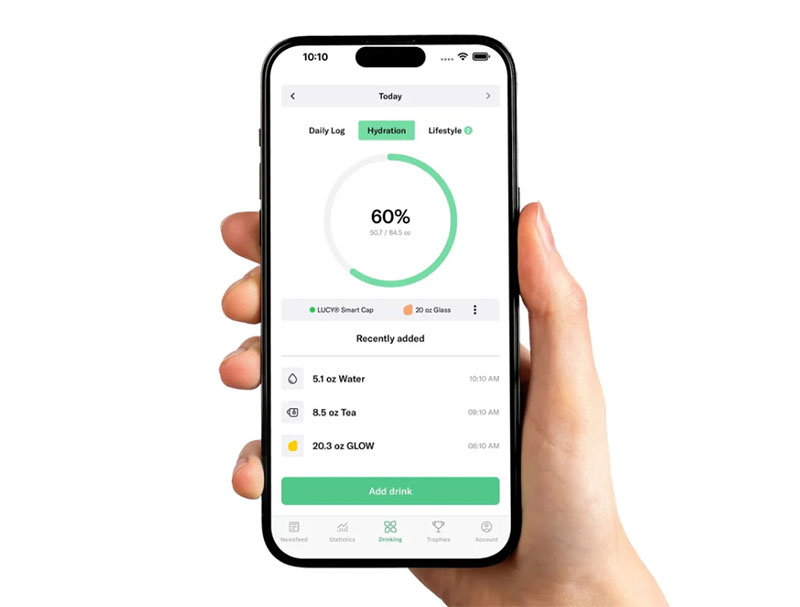
Monitors daily hydration through simple logging interfaces. Users record water consumption and receive reminders to maintain adequate intake.
Target Users
Health-conscious individuals pursuing wellness goals. Athletes monitoring hydration for performance. People with medical conditions requiring specific fluid intake.
Key Features
Quick-tap logging records standard serving sizes. Custom container sizes accommodate personal bottles. Hydration goal calculat ions based on weight and activity level. Visual progress indicators show daily completion. Smart reminders adjust to drinking patterns.
Problem Solved
People forget to drink adequate water throughout busy days. Tracking hydration manually proves tedious. Determining optimal water intake requires research. Recognizing dehydration symptoms happens too late.
Technical Requirements
Simple mobile application with minimal backend requirements. Apple Health and Google Fit integration syncs hydration data. Widget support enables home screen logging.
Monetization Potential
Health tracking apps generate steady revenue. Freemium models restrict free versions to basic tracking. Premium features ($2-5 monthly) add detailed analytics, weather-based recommendations, and customization options. Beverage brand partnerships and water bottle affiliate programs.
Market Differentiation
Most fitness apps include hydration tracking as secondary features. Dedicated hydration focus provides superior user experience. Smart bottle integration automatically logs consumption. Hydration science education differentiates premium offerings.
Development Complexity
Low complexity achievable in 1-2 months. Simple data tracking with straightforward calculations. Health platform integration requires additional development time.
Meditation Timer
Core Concept
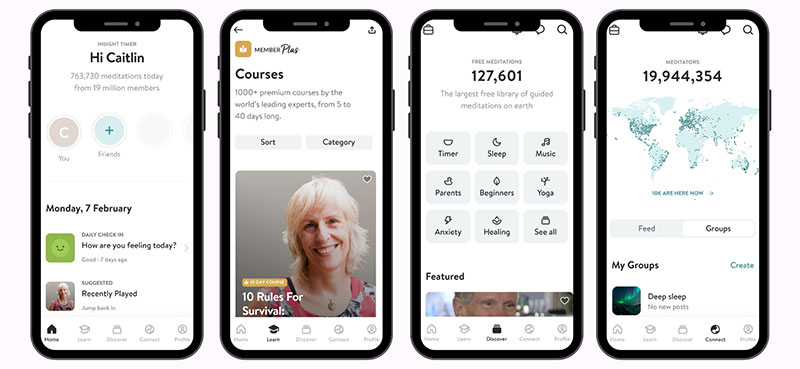
Provides guided or unguided meditation sessions with customizable durations. Ambient sounds and interval bells mark meditation stages.
Target Users
Meditation practitioners from beginners to advanced. Stress management seekers exploring mindfulness. Yoga practitioners incorporating meditation into routines.
Key Features
Adjustable session lengths from minutes to hours. Interval bells mark meditation phases. Ambient soundscapes include nature sounds and binaural beats. Session history tracks meditation consistency. Guided meditations with voice instruction.
Problem Solved
Generic timers lack meditation-specific functionality. Finding quality ambient sounds requires searching multiple sources. Tracking meditation practice manually proves inconsistent. Establishing consistent routines without guidance proves difficult.
Technical Requirements
Native mobile apps for smartphones. High-quality audio libraries for ambient sounds. Background audio playback maintains sessions during phone lock. Apple Watch integration enables wrist-based controls.
Monetization Potential
Meditation app market generates substantial revenue. Calm and Headspace demonstrate billion-dollar valuations. Freemium models offer basic timers free while premium content ($10-15 monthly) unlocks guided meditations, soundscapes, and courses. Lifetime purchases ($50-100) attract committed practitioners.
Market Differentiation
Major players like Calm focus on guided content. Simple timer apps lack meditation-specific features. Customizable meditation frameworks for various traditions (Vipassana, Zen, Transcendental) serve niche audiences. Integration with meditation retreat centers and teachers.
Development Complexity
Low to moderate complexity requiring 2-3 months. Audio handling and background playback require careful implementation. Premium content creation involves production costs.
Password Generator
Core Concept
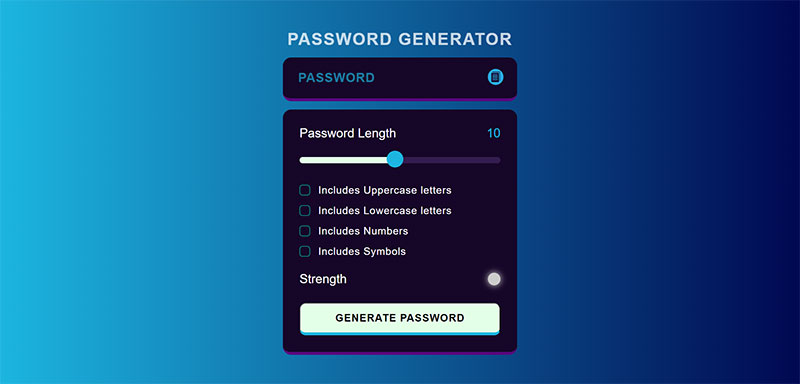
Creates strong, random passwords meeting security requirements. Offers various customization options for length, character types, and memorable formats.
Target Users
Security-conscious users creating accounts. IT professionals managing multiple credentials. Anyone frustrated with weak password suggestions.
Key Features
Adjustable password length and complexity. Character type selection includes symbols, numbers, and letters. Memorable password generation uses pronounceable patterns. Strength meter evaluates password security. Batch generation creates multiple passwords simultaneously.
Problem Solved
Weak passwords enable account breaches. Creating secure yet memorable passwords proves challenging. Default browser suggestions lack customization. Reusing passwords across sites creates vulnerabilities.
Technical Requirements
Lightweight web application or mobile app. Cryptographically secure random number generators ensure true randomness. No backend storage protects user privacy.
Monetization Potential
Utility apps generate revenue through ads or premium features. Free versions include advertisements. Premium subscriptions ($1-3 monthly) remove ads and add advanced features. Password manager integration offers upsell opportunities.
Market Differentiation
Password managers include generators but focus on storage. Dedicated generators offer superior customization. No account requirement appeals to privacy-focused users. Educational content about password security builds trust.
Development Complexity
Very low complexity achievable in 1-2 weeks. Core functionality involves straightforward algorithms. Premium features like password strength analysis add minimal complexity.
Budget Calculator
Core Concept
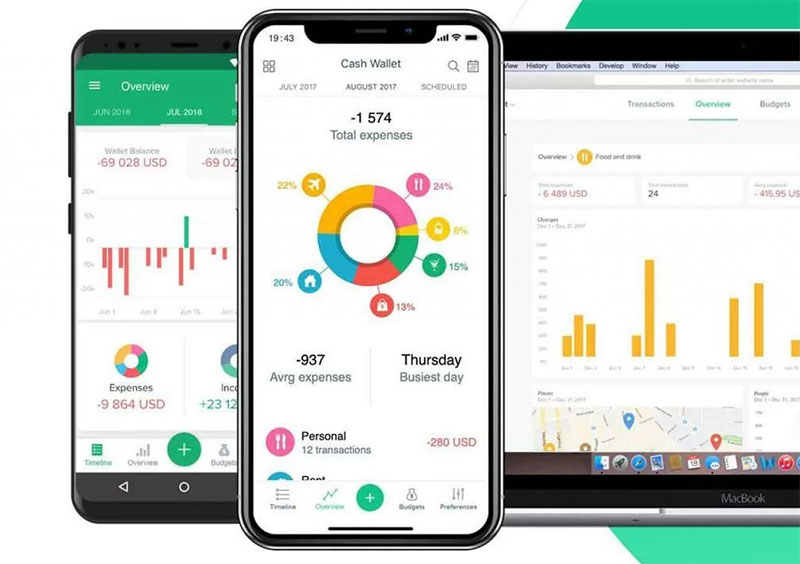
Calculates income allocation across expense categories using popular budgeting methods. Users input financial data and receive spending recommendations.
Target Users
Personal finance beginners establishing budgets. Families managing household expenses. Individuals preparing for major purchases or debt reduction.
Key Features
Multiple budgeting frameworks including 50/30/20 and zero-based budgeting. Income and expense categorization. Savings goal tracking. Debt payoff calculators. Visual spending breakdowns through charts.
Problem Solved
Creating budgets from scratch overwhelms financial novices. Determining appropriate spending percentages requires research. Manual calculations prove error-prone. Maintaining budget discipline without accountability.
Technical Requirements
Mobile and web applications with responsive design. Basic calculation engines handle financial formulas. Cloud storage maintains user budget data.
Monetization Potential
Financial app market generates billions. Freemium models offer basic calculations free. Premium subscriptions ($5-10 monthly) unlock advanced features, unlimited budgets, and financial insights. Affiliate partnerships with banking and investment platforms. Financial advisor referral commissions.
Market Differentiation
Full-featured finance apps overwhelm users seeking simple budgets. Dedicated calculators provide focused functionality. Integration with bank accounts automates expense tracking. Educational content explains budgeting principles.
Development Complexity
Low to moderate complexity requiring 2-3 months. Financial calculations require accuracy verification. Bank integration adds significant complexity and regulatory requirements.
Pet Care Scheduler
Core Concept
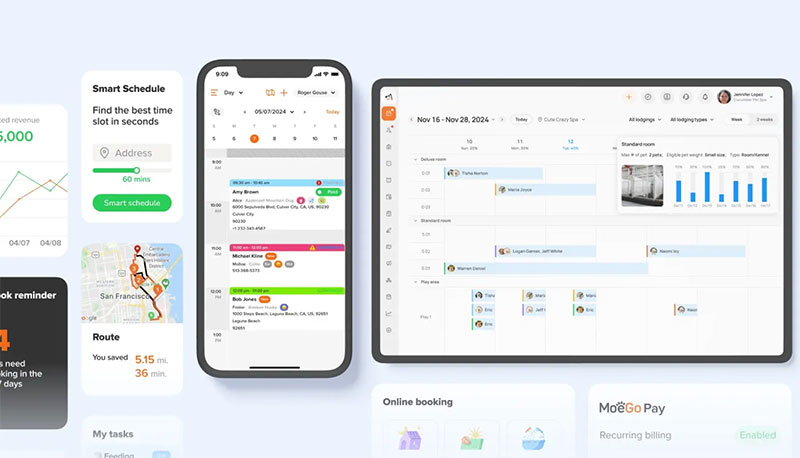
Manages pet care tasks including feeding, medications, vet appointments, and grooming. Sends reminders ensuring consistent pet care routines.
Target Users
Pet owners managing multiple animals. Families sharing pet care responsibilities. Pet sitters tracking client animal schedules.
Key Features
Customizable care schedules for feeding, medication, and activities. Vet appointment reminders with calendar integration. Medication tracking with dosage logs. Growth and weight monitoring. Vaccination record storage. Multi-pet support.
Problem Solved
Remembering medication schedules proves difficult. Vet records scatter across papers and emails. Sharing pet care among family members creates confusion. Tracking pet health history requires organization.
Technical Requirements
Mobile application development with reminder capabilities. Photo storage for pet records. Calendar integration for appointments. Cloud synchronization enables multi-user access.
Monetization Potential
Pet industry generates billions annually. Freemium limits free accounts to 1-2 pets. Premium subscriptions ($3-7 monthly) unlock unlimited pets and advanced features. Pet supply affiliate programs. Veterinary service partnerships. Pet insurance referrals.
Market Differentiation
General reminder apps lack pet-specific context. Vet clinic apps focus solely on appointments. Comprehensive pet care platforms remain rare. Integration with pet supply auto-delivery services. Breed-specific care recommendations.
Development Complexity
Moderate difficulty spanning 3-4 months. Multi-user access requires careful permission management. Photo and document storage adds infrastructure requirements.
Movie Watchlist
Core Concept
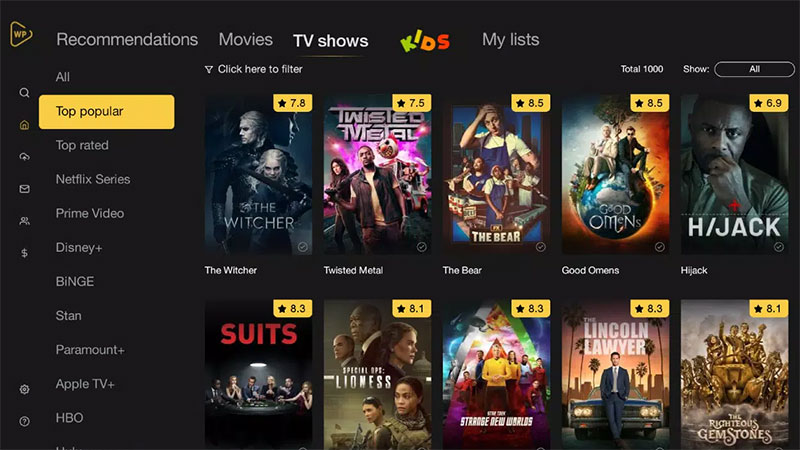
Tracks movies users want to watch and those already viewed. Integrates with streaming services showing availability and viewing options.
Target Users
Movie enthusiasts managing large watchlists. Friends coordinating group viewing. Families organizing entertainment options.
Key Features
Streaming availability across platforms like Netflix, Hulu, and Amazon Prime. Watch history with rating and review. Recommendation engine suggests similar titles. Friend sharing enables social discovery. Release date tracking for upcoming films.
Problem Solved
Remembering desired movies proves difficult. Finding which streaming service hosts specific titles requires checking multiple apps. Friend recommendations scatter across conversations. Tracking watched films manually.
Technical Requirements
Web and mobile applications with movie database integration. Streaming service APIs check availability. Social features require user accounts and friend connections.
Monetization Potential
Entertainment apps generate revenue through subscriptions and affiliates. Freemium limits free watchlists to 50-100 titles. Premium subscriptions ($3-5 monthly) unlock unlimited lists and advanced features. Streaming service affiliate commissions. Sponsored movie recommendations.
Market Differentiation
IMDb focuses on ratings over watchlist management. Streaming apps lack cross-platform search. Dedicated watchlist apps with superior organization and social features. Integration with smart TV platforms. Group voting features for friend movie nights.
Development Complexity
Moderate complexity requiring 3-5 months. Movie database integration and maintenance. Multiple streaming API connections. Real-time availability checking demands robust infrastructure.
Language Learning Vocabulary
Core Concept
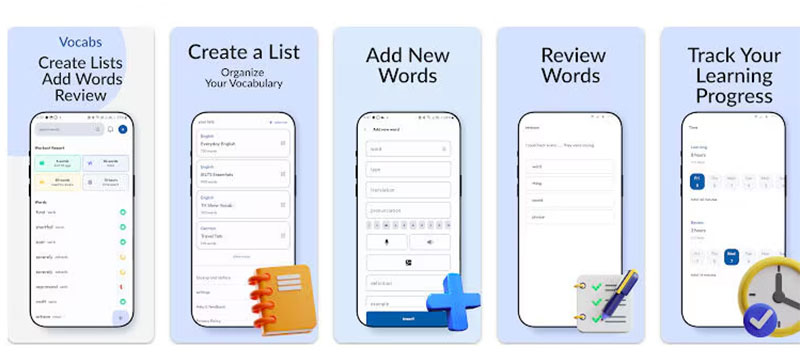
Builds foreign language vocabulary through spaced repetition and context-based learning. Users study words within example sentences and cultural context.
Target Users
Language learners supplementing formal education. Travelers preparing for international trips. Professionals requiring language skills for work.
Key Features
Spaced repetition optimizes review timing. Audio pronunciations from native speakers. Example sentences demonstrate proper usage. Thematic vocabulary lists group related words. Progress tracking measures vocabulary growth. Offline learning enables study anywhere.
Problem Solved
Memorizing vocabulary without context proves ineffective. Optimal review timing requires manual scheduling. Finding quality learning materials wastes time. Traditional methods lack engagement.
Technical Requirements
Mobile applications with audio capabilities. Cloud synchronization maintains progress. Content management systems organize vocabulary across languages.
Monetization Potential
Language learning market generates billions. Duolingo demonstrates successful free model with premium options. Subscription tiers ($7-15 monthly) unlock additional languages, offline access, and advanced features. Institutional licensing for schools. Content creation marketplace for native speakers.
Market Differentiation
Major platforms like Duolingo offer comprehensive courses. Vocabulary-focused apps serve intermediate learners requiring targeted study. Niche language options beyond common choices. Context-rich learning through cultural notes and authentic materials.
Development Complexity
Moderate to high complexity spanning 4-6 months. Content creation across multiple languages. Audio recording and quality control. Spaced repetition algorithms.
Grocery List Manager
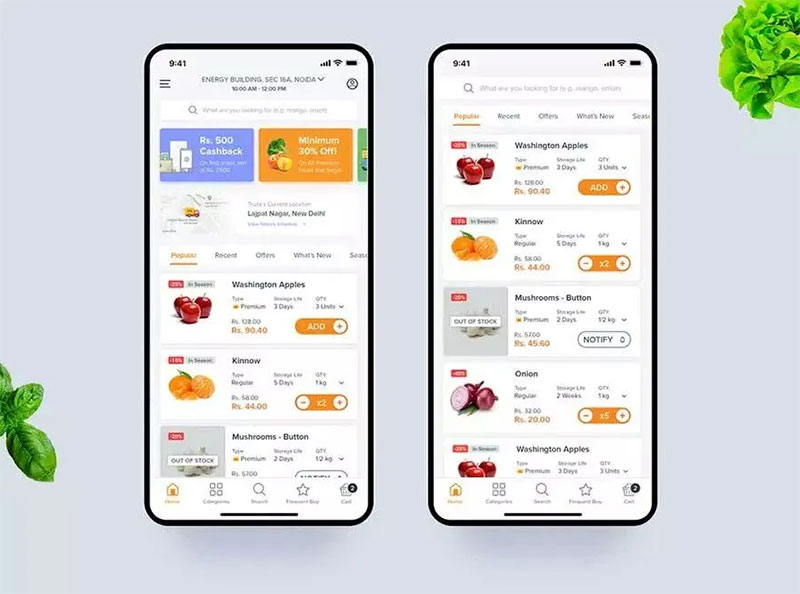
Core Concept
Creates and organizes shopping lists with item categorization and store aisle mapping. Enables list sharing among household members.
Target Users
Household managers coordinating family shopping. Busy professionals minimizing store time. Couples sharing shopping responsibilities.
Key Features
Smart categorization groups items by store section. Recipe integration adds required ingredients. Shared lists sync across family members. Price tracking compares costs across stores. Barcode scanning adds items quickly.
Problem Solved
Paper lists get lost or forgotten. Multiple family members buying duplicate items. Organizing lists by store layout requires manual sorting. Remembering regular purchases.
Technical Requirements
Mobile applications with real-time synchronization. Product databases for item suggestions. Camera integration for barcode scanning. Cloud backend manages shared lists.
Monetization Potential
Utility apps generate revenue through premium features and partnerships. Freemium limits free accounts to basic functionality. Premium subscriptions ($2-4 monthly) unlock unlimited lists, price tracking, and recipe integration. Grocery delivery affiliate commissions. Coupon and deal partnerships.
Market Differentiation
Basic note apps lack shopping-specific features. Store-specific apps limit flexibility. Independent grocery apps with multi-store support. Integration with recipe organizers. Smart home integration with voice assistants.
Development Complexity
Low to moderate complexity requiring 2-3 months. Real-time synchronization across users. Product database creation or integration.
Sleep Tracker
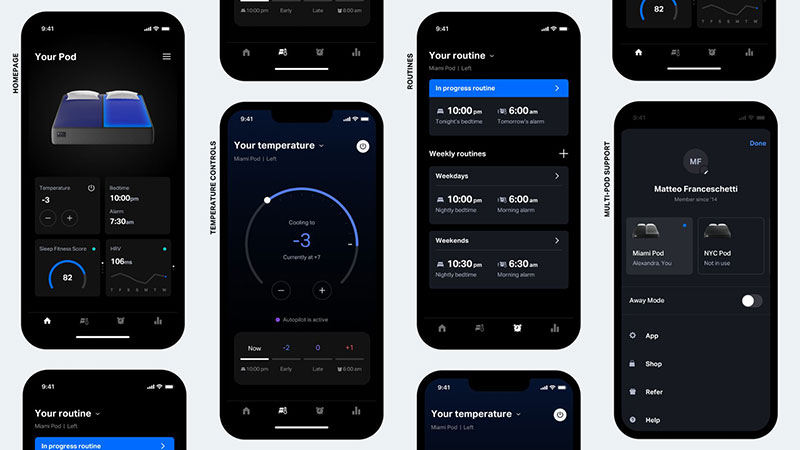
Core Concept
Monitors sleep patterns through phone sensors or wearable devices. Analyzes sleep quality and provides recommendations for improvement.
Target Users
People experiencing sleep difficulties. Athletes optimizing recovery. Health-conscious individuals tracking wellness metrics.
Key Features
Automatic sleep detection through movement sensors. Sleep stage analysis identifies REM, light, and deep sleep. Smart alarm wakes during optimal sleep phases. Sleep quality scoring. Trend analysis over weeks and months. Environmental factor tracking like noise and temperature.
Problem Solved
Understanding sleep quality without expensive equipment. Determining factors affecting sleep. Waking during deep sleep causes grogginess. Tracking sleep patterns manually.
Technical Requirements
Native mobile development with sensor access. Wearable device integration for accurate tracking. Audio recording permissions for snoring detection. Health platform integration syncs data.
Monetization Potential
Sleep and wellness apps generate substantial revenue. Freemium models offer basic tracking free. Premium subscriptions ($5-10 monthly) unlock detailed analysis, smart alarms, and historical trends. Sleep coaching programs. Sleep product affiliate partnerships.
Market Differentiation
Fitness trackers include sleep features but lack depth. Dedicated sleep apps provide superior analysis. Integration with smart home devices adjusts bedroom conditions automatically. Sleep coaching programs based on collected data.
Development Complexity
Moderate to high complexity spanning 4-6 months. Accurate sleep detection algorithms require refinement. Audio processing for snoring detection. Privacy considerations for sensitive health data.
Goal Setting App
Core Concept
Breaks long-term objectives into actionable steps with deadline tracking. Provides accountability through progress monitoring and milestone celebrations.
Target Users
Achievement-oriented individuals pursuing personal or professional goals. Students managing academic objectives. Entrepreneurs building businesses.
Key Features
Goal decomposition breaks objectives into subtasks. Progress visualization shows completion percentages. Reminder system maintains momentum. Milestone celebrations reinforce achievement. Goal templates provide structured frameworks. Reflection prompts encourage evaluation.
Problem Solved
Large goals overwhelm without structured breakdown. Maintaining focus over months or years proves difficult. Tracking progress across multiple objectives. Lack of accountability enables procrastination.
Technical Requirements
Mobile and web applications with task management capabilities. Reminder notifications. Cloud synchronization maintains goals across devices.
Monetization Potential
Productivity app market generates billions. Freemium limits free accounts to 3-5 active goals. Premium subscriptions ($5-8 monthly) unlock unlimited goals, advanced features, and coaching content. Goal coaching marketplace connects users with advisors.
Market Differentiation
Task managers focus on daily activities over long-term objectives. Goal-specific apps provide strategic frameworks. Integration with habit trackers and calendar apps. Community accountability features. Evidence-based goal setting methodologies.
Development Complexity
Low to moderate complexity requiring 2-4 months. Task hierarchy and relationship management. Notification scheduling across time zones.
Random Decision Maker
Core Concept
Eliminates decision paralysis through randomization tools. Presents options as spinning wheels, dice rolls, or list randomizers.
Target Users
Indecisive individuals struggling with choices. Groups needing fair selection methods. Content creators requiring random selection.
Key Features
Customizable option wheels with visual customization. Multi-option lists with weighted probabilities. History tracking shows previous results. Dice and coin flip simulators. Team random selection for group activities.
Problem Solved
Simple decisions consume excessive mental energy. Group disagreements over choices. Needing fair, unbiased selection methods. Remembering previous random selections.
Technical Requirements
Simple mobile or web application with minimal backend requirements. Animation libraries create engaging visual effects. True random number generation ensures fairness.
Monetization Potential
Utility apps monetize through ads or minimal premiums. Free versions include advertisements between uses. Premium versions ($1-2 one-time or monthly) remove ads and add unlimited saved wheels. Novelty and entertainment value limits premium pricing.
Market Differentiation
Generic random generators lack customization and saved options. Dedicated decision apps with visual appeal and entertainment value. Social sharing features for group decisions. Integration with messaging apps for collaborative use.
Development Complexity
Very low complexity achievable in 1-2 weeks. Core functionality involves basic randomization. Visual polish and animations require additional design work.
FAQ on App Ideas
How do I validate an app idea before development?
Conduct market research through surveys and competitor analysis to assess demand. Build a landing page describing your concept and measure interest through email signups. Create low-fidelity prototypes using wireframing tools and gather feedback from target users before investing in full software development.
What makes a profitable app idea?
Profitable concepts solve specific pain points for defined user segments. They address recurring needs requiring frequent engagement rather than one-time use. Successful apps balance user acquisition costs against lifetime value through subscription models, in-app purchases, or advertising revenue while maintaining competitive differentiation.
How much does it cost to develop an app?
Mobile app development costs range from $20,000 to $200,000 depending on complexity and features. Simple utility apps require 1-3 months and $20,000-$50,000. Complex platforms with backend infrastructure, API integrations, and advanced features demand 6-12 months and $100,000-$200,000.
Should I build for iOS or Android first?
Target market demographics determine platform priority. iOS users typically spend more on apps and in-app purchases, making it preferable for monetization testing. Android development reaches larger global audiences but faces device fragmentation challenges. Consider cross-platform frameworks for simultaneous deployment.
How long does app development take?
Development timelines span 2-12 months based on scope and complexity. Simple apps with basic features require 2-4 months. Medium complexity projects with custom UI/UX design and backend integration take 4-6 months. Complex platforms with advanced functionality demand 6-12 months for MVP deployment.
What tech stack should I use for app development?
Native development using Swift for iOS and Kotlin for Android provides optimal performance. Cross-platform tools like React Native and Flutter reduce costs and time. Choose based on performance requirements, team expertise, budget constraints, and desired app lifecycle management complexity.
How do I monetize a free app?
Implement freemium models offering basic features free while charging for premium capabilities. Display in-app advertising through networks like Google AdMob. Offer subscription tiers with recurring revenue. Partner with relevant brands for affiliate commissions. Collect anonymized user data for market research insights while respecting privacy regulations.
What are common reasons apps fail?
Poor market validation before development wastes resources on unwanted products. Inadequate user acquisition strategies limit downloads despite quality apps. Complex interfaces frustrate users causing immediate abandonment. Insufficient post-deployment maintenance leads to bugs and security vulnerabilities. Weak monetization strategies prevent sustainable revenue generation.
Do I need technical skills to launch an app?
Non-technical founders succeed by partnering with experienced software development teams. Rapid app development platforms and no-code tools enable basic apps without coding. However, understanding software development principles helps communicate requirements effectively and make informed technical decisions throughout the development process.
How do I protect my app idea?
Ideas themselves lack legal protection, but implementations do. Sign non-disclosure agreements with development partners and contractors. File provisional patents for truly novel technical innovations. Register trademarks for app names and branding. Focus energy on rapid execution rather than secrecy since successful startups win through superior implementation.
Conclusion
Transforming app ideas into profitable digital products requires more than inspiration. Successful execution demands strategic planning, market validation, and disciplined implementation throughout the software development lifecycle.
The concepts presented address verified market opportunities across productivity, wellness, finance, and lifestyle categories. Each represents genuine user needs with proven monetization potential.
Technical complexity varies significantly. Simple utility apps reach market within weeks while sophisticated platforms require months of custom app development investment.
Choose native apps for performance-critical features or hybrid apps for faster deployment. Your tech stack selection impacts development speed, maintenance costs, and scalability.
Learning from failed startups reveals that inadequate validation causes most project abandonment. Test assumptions early through prototyping and user feedback before committing substantial resources.
Start building. The distance between concept and launch narrows with decisive action and iterative development practices.

- Application Performance Monitoring Beyond the Code: Why Infrastructure Matters - October 26, 2026
- How to Share GitHub Repository Access With Collaborators - October 25, 2026
- Streamlining Client Projects: Modern Cloud ERP Solutions - October 25, 2026