
Top Fintech Companies in San Francisco To Know

Summarize this article with:
Silicon Valley’s financial revolution starts here. Fintech companies in San Francisco are reshaping how billions of people interact with money, from Stripe’s $91.5 billion payment empire to Chime’s fee-free digital banking for millions.
The Bay Area houses more fintech unicorns than any other region globally. These companies process trillions in transactions annually while pioneering everything from cryptocurrency exchanges to AI-powered lending.
You need to understand which payment processing platforms, neobanks, and blockchain startups are driving this transformation. The financial services landscape changes rapidly, and staying informed about San Francisco’s fintech ecosystem directly impacts investment decisions, career opportunities, and business partnerships.
This guide profiles the top fintech innovators transforming digital payments, alternative lending, and wealth management. You’ll discover each company’s funding history, market position, and competitive advantages that make Silicon Valley the global epicenter for financial technology innovation.
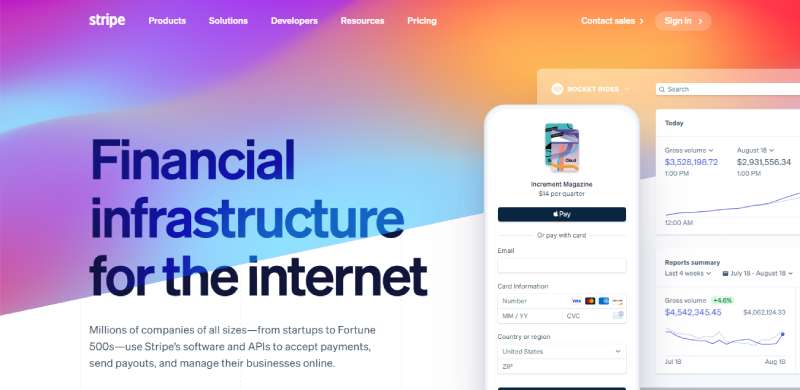
Stripe
Stripe is a payment processing company founded in 2010 that provides comprehensive payment infrastructure for online businesses ranging from startups to Fortune 100 enterprises.
Founding & Leadership
- Founded: 2010
- Founders: Patrick and John Collison (Irish brothers from Dromineer)
- Current CEO: Patrick Collison
- Headquarters: South San Francisco
Core Financial Services
- Primary service: Payment processing and financial infrastructure
- Service type: Payment processing and banking-as-a-service
- Target market: B2B (businesses of all sizes)
- Technology focus: API infrastructure and machine learning
Funding & Valuation
- Total funding raised: $9.4 billion
- Latest funding round: Secondary market, February 2025
- Current valuation: $91.5 billion
- Key investors: Sequoia Capital, Andreessen Horowitz, Founders Fund
Market Position & Scale
- Customer base: Used by half of Fortune 100 companies
- Transaction volume: $1.4 trillion processed in 2024 (38% growth)
- Geographic reach: Global operations in 50+ countries
- Regulatory status: Licensed payment processor in multiple jurisdictions
Competitive Differentiation
- Unique value proposition: Developer-first platform with superior API integration
- Technology advantages: Advanced fraud detection using machine learning
- Pricing model: Transaction-based fees (2.9% + 30¢)
- Integration capabilities: 500+ partnerships and webhooks
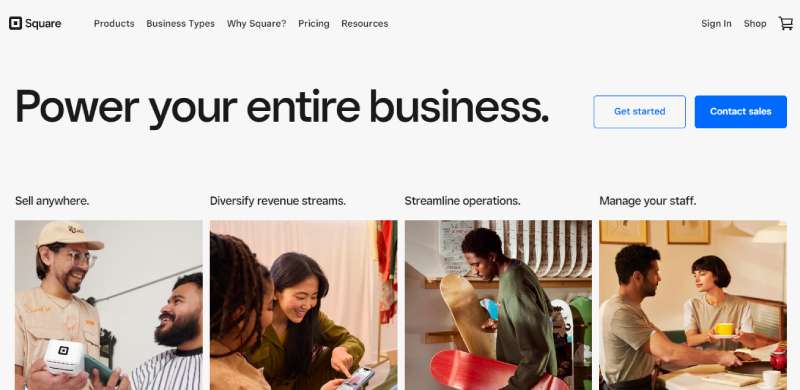
Square (Block)
Block is a payment processing and financial services company founded in 2009 that provides integrated commerce solutions for businesses and consumers through Square and Cash App.
Founding & Leadership
- Founded: 2009
- Founders: Jack Dorsey and Jim McKelvey
- Current CEO: Jack Dorsey
- Headquarters: San Francisco
Core Financial Services
- Primary service: Point-of-sale systems and digital payments
- Service type: Payment processing, digital banking, cryptocurrency
- Target market: B2B (merchants) and B2C (consumers)
- Technology focus: Mobile application development and blockchain
Funding & Valuation
- Total funding raised: $520 million (pre-IPO)
- Latest funding round: Public company (NYSE: SQ)
- Current valuation: $24.1 billion market cap
- Key investors: Sequoia Capital, Khosla Ventures (historical)
Market Position & Scale
- Customer base: 57 million users and 4 million sellers
- Transaction volume: $241 billion processed annually
- Geographic reach: US, Canada, Australia, UK, Japan
- Regulatory status: Licensed financial services provider
Competitive Differentiation
- Unique value proposition: Integrated ecosystem for commerce and banking
- Technology advantages: Hardware-software integration with IoS development
- Pricing model: 2.6% + 10¢ for in-person transactions
- Integration capabilities: Hundreds of third-party app integrations
Plaid
Plaid is a financial data connectivity platform founded in 2012 that enables applications to securely connect with users’ bank accounts through API integration.
Founding & Leadership
- Founded: 2012
- Founders: Zach Perret (CEO) and William Hockey
- Current CEO: Zach Perret
- Headquarters: San Francisco
Core Financial Services
- Primary service: Financial data aggregation and connectivity
- Service type: Banking infrastructure and data services
- Target market: B2B (fintech developers and enterprises)
- Technology focus: API development and data security
Funding & Valuation
- Total funding raised: $1.31 billion
- Latest funding round: $575 million, April 2025
- Current valuation: $6.1 billion
- Key investors: Franklin Templeton, Fidelity, BlackRock, NEA, Ribbit Capital
Market Position & Scale
- Customer base: Over 8,000 customers including major banks
- Transaction volume: 650+ million linked accounts (estimated)
- Geographic reach: US, Canada, UK, Europe
- Regulatory status: Regulated financial data aggregator
Competitive Differentiation
- Unique value proposition: One-third of US adults have used Plaid-powered apps
- Technology advantages: Screen scraping and bank-grade security
- Pricing model: Usage-based API pricing
- Integration capabilities: 12,000+ financial institutions supported
Chime
Chime is a digital banking platform founded in 2013 that provides fee-free checking and savings accounts with modern mobile-first banking features.
Founding & Leadership
- Founded: 2013
- Founders: Chris Britt (CEO) and Ryan King
- Current CEO: Chris Britt
- Headquarters: San Francisco
Core Financial Services
- Primary service: Digital banking and checking accounts
- Service type: Neobank and consumer financial services
- Target market: B2C (underbanked consumers)
- Technology focus: Mobile application development and automated savings
Funding & Valuation
- Total funding raised: $2.3 billion
- Latest funding round: Series F, September 2020
- Current valuation: $25 billion
- Key investors: DST Global, General Atlantic, Iconiq Capital
Market Position & Scale
- Customer base: 14+ million account holders
- Transaction volume: Over $200 billion in transactions
- Geographic reach: US-only operations
- Regulatory status: Partner bank model (Stride Bank, Bancorp)
Competitive Differentiation
- Unique value proposition: No fees, early direct deposit access
- Technology advantages: Automated savings tools and spending insights
- Pricing model: Free banking with interchange revenue
- Integration capabilities: Zelle payments and third-party app integrations
Affirm
Affirm is a buy-now-pay-later platform founded in 2012 that provides transparent installment financing for online and in-store purchases.
Founding & Leadership
- Founded: 2012
- Founders: Max Levchin (CEO), Nathan Gettings, Jeffrey Kaditz
- Current CEO: Max Levchin
- Headquarters: San Francisco
Core Financial Services
- Primary service: Point-of-sale financing and installment loans
- Service type: Alternative lending and consumer credit
- Target market: B2C (consumers) and B2B (merchants)
- Technology focus: Machine learning for underwriting
Funding & Valuation
- Total funding raised: $1.7 billion (pre-IPO)
- Latest funding round: Public company (NASDAQ: AFRM)
- Current valuation: $13.8 billion market cap
- Key investors: Founders Fund, Andreessen Horowitz, Lightspeed
Market Position & Scale
- Customer base: 47+ million consumers
- Transaction volume: $24.5 billion gross merchandise volume
- Geographic reach: US, Canada, UK
- Regulatory status: Licensed lender in multiple states
Competitive Differentiation
- Unique value proposition: No hidden fees, transparent pricing
- Technology advantages: Real-time credit decisions with proprietary algorithms
- Pricing model: 10-30% APR on installment loans
- Integration capabilities: 29,000+ merchant partners
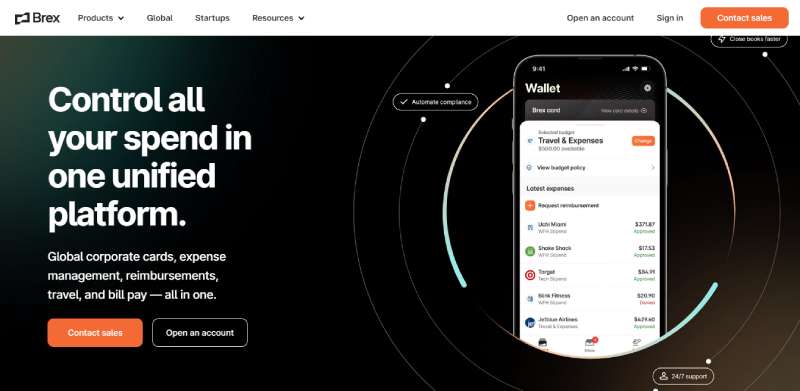
Brex
Brex is a corporate card and expense management company founded in 2017 that provides financial solutions specifically designed for startups and growing businesses.
Founding & Leadership
- Founded: 2017
- Founders: Henrique Dubugras (CEO) and Pedro Franceschi
- Current CEO: Henrique Dubugras
- Headquarters: San Francisco
Core Financial Services
- Primary service: Corporate credit cards and expense management
- Service type: B2B financial services and banking
- Target market: Startups, SMBs, and enterprise clients
- Technology focus: Software development and financial automation
Funding & Valuation
- Total funding raised: $1.2 billion
- Latest funding round: Series D-2, January 2022
- Current valuation: $12.3 billion
- Key investors: Greenoaks Capital, TCV, Tiger Global
Market Position & Scale
- Customer base: Thousands of high-growth companies
- Transaction volume: Billions in annual spend managed
- Geographic reach: US-focused with international expansion
- Regulatory status: Licensed financial services provider
Competitive Differentiation
- Unique value proposition: Built for modern businesses with instant virtual cards
- Technology advantages: API-first architecture and real-time expense tracking
- Pricing model: No fees for qualified businesses
- Integration capabilities: Software integrations with accounting and ERP systems
Ripple
Ripple is a blockchain and cryptocurrency company founded in 2012 that provides cross-border payment solutions for financial institutions using digital assets.
Founding & Leadership
- Founded: 2012
- Founders: Chris Larsen, Jed McCaleb, Arthur Britto
- Current CEO: Brad Garlinghouse
- Headquarters: San Francisco
Core Financial Services
- Primary service: Cross-border payments and remittances
- Service type: Blockchain technology and cryptocurrency services
- Target market: B2B (banks and financial institutions)
- Technology focus: Distributed ledger technology and cryptocurrency development
Funding & Valuation
- Total funding raised: $293.8 million
- Latest funding round: Series C, December 2019
- Current valuation: $15 billion (estimated)
- Key investors: Tetragon Financial Group, SBI Holdings, Route 66 Ventures
Market Position & Scale
- Customer base: 300+ financial institutions globally
- Transaction volume: Billions in cross-border payments
- Geographic reach: Global operations in 55+ countries
- Regulatory status: Operating under ongoing SEC litigation
Competitive Differentiation
- Unique value proposition: Faster and cheaper than traditional SWIFT transfers
- Technology advantages: Native cryptocurrency (XRP) for liquidity
- Pricing model: Usage-based fees for RippleNet services
- Integration capabilities: API connections with banking systems
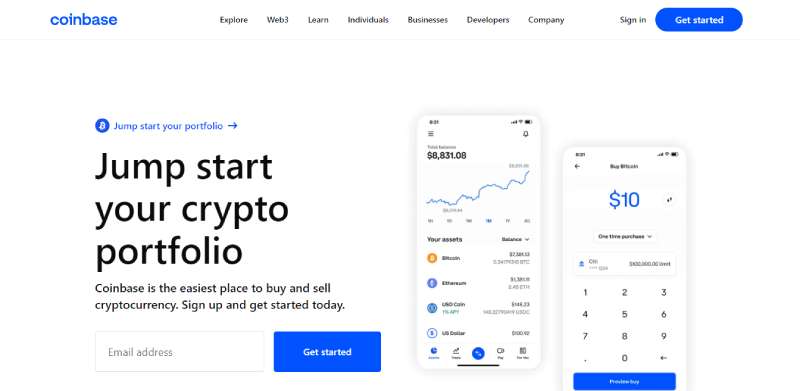
Coinbase
Coinbase is a cryptocurrency exchange platform founded in 2012 that provides digital asset trading, custody, and financial services for consumers and institutions.
Founding & Leadership
- Founded: 2012
- Founders: Brian Armstrong (CEO) and Fred Ehrsam
- Current CEO: Brian Armstrong
- Headquarters: San Francisco
Core Financial Services
- Primary service: Cryptocurrency exchange and custody
- Service type: Digital asset trading and institutional services
- Target market: B2C (retail investors) and B2B (institutions)
- Technology focus: Blockchain technology and digital wallets
Funding & Valuation
- Total funding raised: $547.3 million (pre-IPO)
- Latest funding round: Public company (NASDAQ: COIN)
- Current valuation: $62 billion market cap
- Key investors: Andreessen Horowitz, Union Square Ventures (historical)
Market Position & Scale
- Customer base: 110+ million verified users globally
- Transaction volume: $329 billion in Q4 2024
- Geographic reach: 100+ countries supported
- Regulatory status: Licensed Money Service Business, regulated exchange
Competitive Differentiation
- Unique value proposition: Trusted and regulated crypto platform
- Technology advantages: Institutional-grade security and custody
- Pricing model: 0.5-4.5% trading fees based on volume
- Integration capabilities: RESTful API for developers
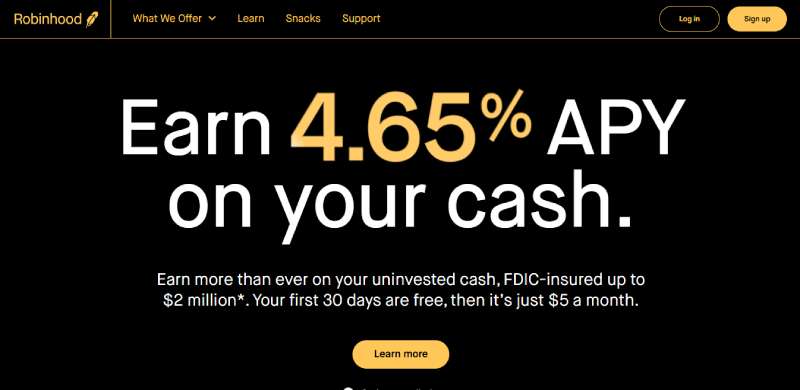
Robinhood
Robinhood is a commission-free trading platform founded in 2013 that democratizes access to stock, options, and cryptocurrency investing through mobile applications.
Founding & Leadership
- Founded: 2013
- Founders: Vladimir Tenev (CEO) and Baiju Bhatt
- Current CEO: Vladimir Tenev
- Headquarters: Menlo Park (Bay Area)
Core Financial Services
- Primary service: Commission-free stock and crypto trading
- Service type: Investment platform and brokerage services
- Target market: B2C (retail investors and millennials)
- Technology focus: Mobile-first development and algorithmic trading
Funding & Valuation
- Total funding raised: $5.6 billion (pre-IPO)
- Latest funding round: Public company (NASDAQ: HOOD)
- Current valuation: $10.4 billion market cap
- Key investors: DST Global, Sequoia Capital, NEA (historical)
Market Position & Scale
- Customer base: 24+ million funded accounts
- Transaction volume: $77 billion in Q4 2024
- Geographic reach: US-only operations
- Regulatory status: FINRA-registered broker-dealer
Competitive Differentiation
- Unique value proposition: Zero commission trading with fractional shares
- Technology advantages: Gamified user experience and social features
- Pricing model: Payment for order flow and premium subscriptions
- Integration capabilities: Limited third-party integrations by design
Credit Karma
Credit Karma is a personal finance platform founded in 2007 that provides free credit monitoring, financial recommendations, and marketplace services.
Founding & Leadership
- Founded: 2007
- Founders: Kenneth Lin (CEO), Nichole Mustard, Ryan Graciano
- Current CEO: Kenneth Lin
- Headquarters: Oakland (Bay Area)
Core Financial Services
- Primary service: Credit monitoring and financial recommendations
- Service type: Personal finance and credit marketplace
- Target market: B2C (consumers seeking credit products)
- Technology focus: Data analytics and machine learning
Funding & Valuation
- Total funding raised: $869 million (acquired by Intuit)
- Latest funding round: Acquired by Intuit for $7.1 billion (2020)
- Current valuation: Part of Intuit (NASDAQ: INTU)
- Key investors: Google Ventures, Susquehanna Growth Equity (historical)
Market Position & Scale
- Customer base: 120+ million registered users
- Transaction volume: Credit marketplace facilitating billions in loans
- Geographic reach: US and Canada
- Regulatory status: Consumer reporting agency (FCRA compliant)
Competitive Differentiation
- Unique value proposition: Free credit scores with personalized recommendations
- Technology advantages: Machine learning for product matching
- Pricing model: Lead generation and advertising revenue
- Integration capabilities: Bank account linking through financial APIs
SoFi
SoFi is a digital personal finance company founded in 2011 that provides student loan refinancing, mortgages, personal loans, and investment services.
Founding & Leadership
- Founded: 2011
- Founders: Mike Cagney, Dan Macklin, James Finnigan, Ian Brady
- Current CEO: Anthony Noto
- Headquarters: San Francisco
Core Financial Services
- Primary service: Personal loans, mortgages, and investment platform
- Service type: Digital banking and wealth management
- Target market: B2C (affluent millennials and professionals)
- Technology focus: Mobile banking and automated investing
Funding & Valuation
- Total funding raised: $4.3 billion (pre-IPO)
- Latest funding round: Public company (NASDAQ: SOFI)
- Current valuation: $8.2 billion market cap
- Key investors: Silver Lake, SoftBank, Third Point (historical)
Market Position & Scale
- Customer base: 8.8 million members
- Transaction volume: $85+ billion in funded loans
- Geographic reach: US-only operations
- Regulatory status: Licensed bank (SoFi Bank, N.A.) and broker-dealer
Competitive Differentiation
- Unique value proposition: Member benefits including career services and events
- Technology advantages: End-to-end digital lending platform
- Pricing model: Interest on loans and investment management fees
- Integration capabilities: Third-party financial product integrations
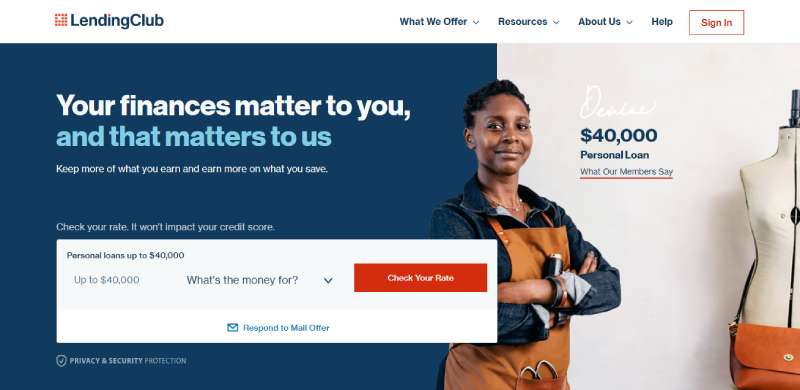
Lending Club
Lending Club is a peer-to-peer lending platform founded in 2006 that connects borrowers with investors for personal loans and business financing.
Founding & Leadership
- Founded: 2006
- Founders: Renaud Laplanche, Soulaiman Htite, Nicolas Burtey
- Current CEO: Scott Sanborn
- Headquarters: San Francisco
Core Financial Services
- Primary service: Peer-to-peer lending and personal loans
- Service type: Alternative lending and marketplace banking
- Target market: B2C (borrowers) and B2B (institutional investors)
- Technology focus: Credit scoring algorithms and risk assessment
Funding & Valuation
- Total funding raised: $448.5 million (pre-IPO)
- Latest funding round: Public company (NYSE: LC)
- Current valuation: $1.2 billion market cap
- Key investors: Norwest Venture Partners, Canaan Partners (historical)
Market Position & Scale
- Customer base: 4+ million members served
- Transaction volume: $70+ billion in loans facilitated
- Geographic reach: US-only operations
- Regulatory status: Licensed online lender and bank
Competitive Differentiation
- Unique value proposition: Marketplace model connecting borrowers and investors
- Technology advantages: Proprietary credit risk models
- Pricing model: Origination fees and servicing income
- Integration capabilities: API access for institutional partners
Avant
Avant is an online lending platform founded in 2012 that provides personal loans to middle-income consumers using alternative credit data and technology.
Founding & Leadership
- Founded: 2012
- Founders: Al Goldstein (CEO), John Sun, Paul Zhang
- Current CEO: Al Goldstein
- Headquarters: Chicago (with SF operations)
Core Financial Services
- Primary service: Personal loans and credit cards
- Service type: Alternative lending and consumer credit
- Target market: B2C (near-prime consumers)
- Technology focus: Machine learning for credit decisions
Funding & Valuation
- Total funding raised: $2 billion in equity and debt
- Latest funding round: Series F, June 2021
- Current valuation: $2 billion (estimated)
- Key investors: General Atlantic, Tiger Global, August Capital
Market Position & Scale
- Customer base: 1.5+ million customers served
- Transaction volume: $8+ billion in loans originated
- Geographic reach: US-focused operations
- Regulatory status: Licensed lender in 46 US states
Competitive Differentiation
- Unique value proposition: Fast approvals for underserved credit segments
- Technology advantages: Alternative data for credit assessment
- Pricing model: 9.95%-35.99% APR on personal loans
- Integration capabilities: Banking partner network integrations
Fundbox
Fundbox is a small business lending platform founded in 2013 that provides working capital solutions through AI-driven credit decisions.
Founding & Leadership
- Founded: 2013
- Founders: Eyal Shinar (CEO), Yuval Ariav, Tomer Michaeli
- Current CEO: Eyal Shinar
- Headquarters: San Francisco
Core Financial Services
- Primary service: Small business lines of credit and invoice factoring
- Service type: B2B lending and working capital solutions
- Target market: Small and medium businesses
- Technology focus: Artificial intelligence and automated underwriting
Funding & Valuation
- Total funding raised: $442 million
- Latest funding round: Series D, January 2021
- Current valuation: $1.1 billion
- Key investors: General Atlantic, Khosla Ventures, Spark Capital
Market Position & Scale
- Customer base: 600,000+ small businesses served
- Transaction volume: $2+ billion in credit extended
- Geographic reach: US-only operations
- Regulatory status: Licensed lender with bank partnerships
Competitive Differentiation
- Unique value proposition: Automated business credit decisions in minutes
- Technology advantages: Machine learning models for SMB risk assessment
- Pricing model: Factor rates of 2-13% for business advances
- Integration capabilities: Accounting software integrations (QuickBooks, Xero)
Tala
Tala is a mobile lending platform founded in 2011 that provides microloans to underbanked consumers in emerging markets using smartphone data.
Founding & Leadership
- Founded: 2011
- Founders: Shivani Siroya (CEO)
- Current CEO: Shivani Siroya
- Headquarters: Santa Monica (with SF operations)
Core Financial Services
- Primary service: Mobile microloans and financial services
- Service type: Alternative lending for emerging markets
- Target market: B2C (underbanked consumers globally)
- Technology focus: Mobile data analytics and smartphone-based credit scoring
Funding & Valuation
- Total funding raised: $350 million
- Latest funding round: Series E, January 2022
- Current valuation: $800 million (estimated)
- Key investors: Revolution Growth, IVP, PayPal Ventures
Market Position & Scale
- Customer base: 7+ million customers globally
- Transaction volume: $3+ billion in loans disbursed
- Geographic reach: Kenya, Philippines, Mexico, India
- Regulatory status: Licensed in multiple emerging market jurisdictions
Competitive Differentiation
- Unique value proposition: Smartphone-based credit scoring for unbanked populations
- Technology advantages: Mobile app with 10,000+ data points analysis
- Pricing model: Interest rates vary by market (typically 5-15% per month)
- Integration capabilities: Local payment systems and mobile money
NerdWallet
NerdWallet is a personal finance platform founded in 2009 that provides financial product comparisons, advice, and tools to help consumers make informed decisions.
Founding & Leadership
- Founded: 2009
- Founders: Tim Chen (CEO), Jacob Gibson
- Current CEO: Tim Chen
- Headquarters: San Francisco
Core Financial Services
- Primary service: Financial product marketplace and advice platform
- Service type: Lead generation and financial education
- Target market: B2C (consumers seeking financial products)
- Technology focus: Data analytics and content platform
Funding & Valuation
- Total funding raised: $164 million (pre-IPO)
- Latest funding round: Public company (NASDAQ: NRDS)
- Current valuation: $3.2 billion market cap
- Key investors: Institutional Venture Partners, RRE Ventures (historical)
Market Position & Scale
- Customer base: 21+ million monthly users
- Transaction volume: Billions in financial product originations
- Geographic reach: US and UK operations
- Regulatory status: Licensed financial services marketplace
Competitive Differentiation
- Unique value proposition: Comprehensive financial product comparisons and education
- Technology advantages: Proprietary matching algorithms and content platform
- Pricing model: Lead generation fees from financial partners
- Integration capabilities: Partner API connections for real-time offers
Personal Capital
Personal Capital is a wealth management platform founded in 2009 that provides hybrid robo-advisory services and financial planning tools.
Founding & Leadership
- Founded: 2009
- Founders: Bill Harris, Paul Bergholm
- Current CEO: Acquired by Empower (2020)
- Headquarters: Redwood City (Bay Area)
Core Financial Services
- Primary service: Wealth management and financial planning
- Service type: Robo-advisory and human advisor hybrid
- Target market: B2C (high-net-worth individuals)
- Technology focus: Portfolio management software and financial tracking
Funding & Valuation
- Total funding raised: $265 million (acquired)
- Latest funding round: Acquired by Empower for $1 billion (2020)
- Current valuation: Part of Empower Retirement
- Key investors: IGM Financial, USAA (at acquisition)
Market Position & Scale
- Customer base: 3.5+ million users
- Transaction volume: $1.3 trillion in tracked assets
- Geographic reach: US-only operations
- Regulatory status: SEC-registered investment advisor
Competitive Differentiation
- Unique value proposition: Free financial tools with optional human advisors
- Technology advantages: Comprehensive asset aggregation and analytics
- Pricing model: 0.49%-0.89% advisory fees on managed assets
- Integration capabilities: Account linking across 14,000+ financial institutions
Zelle
Zelle is a peer-to-peer payment network founded in 2017 that enables instant money transfers between bank accounts through participating financial institutions.
Founding & Leadership
- Founded: 2017
- Founders: Early Warning Services (bank consortium)
- Current CEO: Al Ko
- Headquarters: Scottsdale, AZ (with SF operations)
Core Financial Services
- Primary service: Real-time P2P payments and money transfers
- Service type: Payment network and digital wallet
- Target market: B2C (bank customers) and B2B (financial institutions)
- Technology focus: Real-time payment rails and fraud prevention
Funding & Valuation
- Total funding raised: Bank consortium owned
- Latest funding round: Consortium-backed utility
- Current valuation: Not publicly disclosed
- Key investors: Bank of America, Wells Fargo, JPMorgan Chase
Market Position & Scale
- Customer base: 120+ million enrolled users
- Transaction volume: $806 billion in 2024 (6.6 billion transactions)
- Geographic reach: US-only operations
- Regulatory status: Operated by bank consortium
Competitive Differentiation
- Unique value proposition: Bank-integrated instant transfers without additional apps
- Technology advantages: Direct bank-to-bank transfer network
- Pricing model: Free for consumers (banks absorb costs)
- Integration capabilities: Embedded in 2,000+ banking apps
Upstart
Upstart is an AI-powered lending platform founded in 2012 that uses machine learning models to assess credit risk and provide personal loans with faster approvals.
Founding & Leadership
- Founded: 2012
- Founders: Dave Girouard (CEO), Anna Counselman, Paul Gu
- Current CEO: Dave Girouard
- Headquarters: San Mateo (Bay Area)
Core Financial Services
- Primary service: AI-powered personal loans and auto refinancing
- Service type: Alternative lending and credit platform
- Target market: B2C (consumers) and B2B (banks and credit unions)
- Technology focus: Machine learning and automated underwriting
Funding & Valuation
- Total funding raised: $424 million (pre-IPO)
- Latest funding round: Public company (NASDAQ: UPST)
- Current valuation: $3.8 billion market cap
- Key investors: Third Point Ventures, Founders Fund (historical)
Market Position & Scale
- Customer base: 2.7+ million borrowers served
- Transaction volume: $28+ billion in loans originated
- Geographic reach: US-only operations
- Regulatory status: Licensed lender with bank partnerships
Competitive Differentiation
- Unique value proposition: AI-driven credit decisions using 1,600+ variables
- Technology advantages: Superior approval rates for thin-file borrowers
- Pricing model: 6.4%-35.99% APR based on creditworthiness
- Integration capabilities: Banking partner platform integrations
Blend
Blend is a digital lending platform founded in 2012 that provides cloud-based software for banks and lenders to streamline mortgage and consumer loan origination.
Founding & Leadership
- Founded: 2012
- Founders: Nima Ghamsari (CEO), Tim Mayopoulos, Erin Collard
- Current CEO: Tim Mayopoulos
- Headquarters: San Francisco
Core Financial Services
- Primary service: Digital lending infrastructure and loan origination software
- Service type: B2B SaaS platform for financial institutions
- Target market: Banks, credit unions, and mortgage lenders
- Technology focus: Cloud-based applications and digital loan processing
Funding & Valuation
- Total funding raised: $665 million
- Latest funding round: Public company (NYSE: BLND) – acquired by Nuvei 2024
- Current valuation: $1.1 billion (acquisition price)
- Key investors: Founders Fund, 8VC, Lightspeed Venture Partners
Market Position & Scale
- Customer base: 340+ financial institutions
- Transaction volume: $5+ billion in funded loans annually
- Geographic reach: US-only operations
- Regulatory status: Licensed mortgage software provider
Competitive Differentiation
- Unique value proposition: End-to-end digital lending platform for banks
- Technology advantages: White-label SaaS platform with automation
- Pricing model: SaaS licensing and transaction fees
- Integration capabilities: Banking system API integrations
OpenDoor
OpenDoor is a real estate technology company founded in 2014 that provides instant home buying and selling services through an online platform using automated valuations.
Founding & Leadership
- Founded: 2014
- Founders: Eric Wu, Keith Rabois, JD Ross, Ian Wong
- Current CEO: Carrie Wheeler (since 2023)
- Headquarters: San Francisco
Core Financial Services
- Primary service: Instant home buying and selling platform
- Service type: Real estate transactions and property management
- Target market: B2C (homeowners and homebuyers)
- Technology focus: Machine learning for property valuation and pricing
Funding & Valuation
- Total funding raised: $2+ billion (pre-IPO)
- Latest funding round: Public company (NASDAQ: OPEN)
- Current valuation: $6.56 billion market cap
- Key investors: NEA, Norwest Venture Partners, GGV Capital (historical)
Market Position & Scale
- Customer base: 85,000+ buyers and sellers served
- Transaction volume: $5.18 billion trailing twelve month revenue
- Geographic reach: 44+ US markets
- Regulatory status: Licensed real estate brokerage
Competitive Differentiation
- Unique value proposition: Instant cash offers without traditional showings
- Technology advantages: Automated valuation models and pricing algorithms
- Pricing model: Service fees comparable to real estate agent commissions
- Integration capabilities: Title, escrow, and financing services
LendingHome (Kiavi)
Kiavi (formerly LendingHome) is a real estate lending platform founded in 2013 that provides bridge loans and rental financing for real estate investors through technology-driven underwriting.
Founding & Leadership
- Founded: 2013
- Founders: Matt Humphrey (CEO), James Herbert
- Current CEO: Matt Humphrey
- Headquarters: San Francisco
Core Financial Services
- Primary service: Fix-and-flip and rental property financing
- Service type: Bridge loans and investment property lending
- Target market: B2B (real estate investors)
- Technology focus: Automated underwriting and property valuation
Funding & Valuation
- Total funding raised: $215 million in venture capital
- Latest funding round: Series E, 2021
- Current valuation: $1+ billion (estimated)
- Key investors: Foundation Capital, Ribbit Capital, QED Investors
Market Position & Scale
- Customer base: 26,000+ real estate investors
- Transaction volume: $27+ billion in loans originated
- Geographic reach: 45 states plus Washington DC
- Regulatory status: Licensed lender across multiple states
Competitive Differentiation
- Unique value proposition: Technology-driven hard money lending for investors
- Technology advantages: Proprietary ARV model for property valuation
- Pricing model: Competitive interest rates for fix-and-flip projects
- Integration capabilities: End-to-end lending platform with API access
Point
Point is a home equity investment platform founded in 2015 that allows homeowners to access cash by selling a portion of their future home appreciation without monthly payments.
Founding & Leadership
- Founded: 2015
- Founders: Eddie Lim (CEO), Eoin Matthews
- Current CEO: Eddie Lim
- Headquarters: Palo Alto (Bay Area)
Core Financial Services
- Primary service: Home equity investments and co-ownership
- Service type: Alternative home financing and equity sharing
- Target market: B2C (homeowners seeking liquidity)
- Technology focus: Automated valuation and property analytics
Funding & Valuation
- Total funding raised: $246 million
- Latest funding round: Series C, May 2022
- Current valuation: $800 million (estimated)
- Key investors: Andreessen Horowitz, WestCap, Ribbit Capital
Market Position & Scale
- Customer base: 15,000+ homeowners funded
- Transaction volume: $1.5+ billion in home equity accessed
- Geographic reach: Multiple US states
- Regulatory status: Licensed financial services provider
Competitive Differentiation
- Unique value proposition: No monthly payments or credit requirements
- Technology advantages: Proprietary pricing algorithms for equity sharing
- Pricing model: Share of future home appreciation (typically 10-30%)
- Integration capabilities: Securitization partnerships for institutional investors
Upgrade
Upgrade is a neobank founded in 2017 that provides personal loans, credit cards, and banking services with transparent pricing and responsible lending practices.
Founding & Leadership
- Founded: 2017
- Founders: Renaud Laplanche (CEO), former LendingClub team
- Current CEO: Renaud Laplanche
- Headquarters: San Francisco
Core Financial Services
- Primary service: Personal loans and credit cards
- Service type: Consumer lending and digital banking
- Target market: B2C (mainstream consumers)
- Technology focus: Machine learning for credit decisions and user experience
Funding & Valuation
- Total funding raised: $587 million
- Latest funding round: Series F, November 2021
- Current valuation: $6 billion
- Key investors: Coatue Management, DST Global, Koch Disruptive Technologies
Market Position & Scale
- Customer base: 4+ million customers served
- Transaction volume: $40+ billion in consumer credit facilitated
- Geographic reach: US-only operations
- Regulatory status: Licensed lender and FDIC-insured banking partner
Competitive Differentiation
- Unique value proposition: Fixed-rate credit cards with transparent pricing
- Technology advantages: Hybrid credit card-loan product innovation
- Pricing model: 7.99%-35.97% APR with no hidden fees
- Integration capabilities: Banking, lending, and rewards platform
Even Financial (Engine by MoneyLion)
Even Financial (now Engine by MoneyLion) was a financial marketplace platform founded in 2014 that provided embedded finance solutions and product recommendations before being acquired by MoneyLion in 2022.
Founding & Leadership
- Founded: 2014
- Founders: David Blundin, Amanda Milligan
- Current Status: Acquired by MoneyLion (2022)
- Headquarters: New York (originally), San Francisco operations
Core Financial Services
- Primary service: Financial product marketplace and recommendations
- Service type: Embedded finance and API-driven financial services
- Target market: B2B (financial institutions and fintech companies)
- Technology focus: Machine learning for product matching and optimization
Funding & Valuation
- Total funding raised: $60.9 million (before acquisition)
- Latest funding round: Acquired by MoneyLion for undisclosed amount
- Current valuation: Part of MoneyLion (NASDAQ: ML)
- Key investors: American Express Ventures, QED Investors, Anthemis Group
Market Position & Scale
- Customer base: 100+ financial service providers
- Transaction volume: Billions in financial product originations facilitated
- Geographic reach: US-focused operations
- Regulatory status: Licensed financial technology provider
Competitive Differentiation
- Unique value proposition: White-label financial product marketplace
- Technology advantages: API-first platform for embedded finance
- Pricing model: Revenue sharing and licensing fees
- Integration capabilities: Comprehensive financial services APIs and tools
FAQ on Fintech Companies In San Francisco
What are the largest fintech companies in San Francisco?
Stripe leads with a $91.5 billion valuation, followed by Block ($24.1B market cap), Chime ($25B), and Coinbase ($62B market cap). These Silicon Valley startups dominate global payment processing, digital banking, and cryptocurrency sectors.
How many fintech startups are based in San Francisco?
The Bay Area hosts over 200 active fintech companies ranging from early-stage ventures to unicorn valuations. San Francisco proper contains approximately 100 financial technology firms, with additional companies throughout the broader Silicon Valley ecosystem.
Which San Francisco fintech companies have gone public?
Major public companies include Coinbase (NASDAQ: COIN), Block (NYSE: SQ), Robinhood (NASDAQ: HOOD), and Affirm (NASDAQ: AFRM). These venture capital backed firms transitioned from private startups to publicly traded financial services platforms.
What types of fintech services do San Francisco companies offer?
Services span digital banking, payment processing, cryptocurrency exchanges, alternative lending, wealth management, and insurtech solutions. Companies like Plaid provide financial data connectivity while others focus on neobank services or blockchain technology innovations.
How much venture capital funding have San Francisco fintech companies raised?
San Francisco fintech startups have collectively raised over $50 billion in venture funding. Stripe alone has raised $9.4 billion, while the broader ecosystem attracts consistent investment from top-tier venture capital firms.
Which fintech companies in San Francisco focus on cryptocurrency?
Coinbase dominates cryptocurrency trading with 110+ million users globally. Ripple specializes in cross-border payments using blockchain technology, while other firms integrate cryptocurrency features into broader financial services platforms.
What makes San Francisco attractive for fintech innovation?
The concentration of software development talent, venture capital funding, and regulatory expertise creates ideal conditions. Silicon Valley’s ecosystem facilitates rapid scaling from mobile application development to enterprise financial infrastructure solutions.
How do San Francisco fintech companies compete with traditional banks?
These firms leverage API integration, mobile-first design, and automated processes to offer faster, cheaper, and more transparent services. Many partner with traditional banks while others obtain banking licenses directly.
Which San Francisco fintech companies serve small businesses?
Brex provides corporate cards for startups, while Square serves millions of small merchants with payment processing solutions. Fundbox offers working capital loans, and Mercury provides business banking specifically designed for technology companies.
What career opportunities exist at San Francisco fintech companies?
Roles span software development, product management, compliance, sales, and operations. Companies actively recruit for mobile application development, API integration specialists, and financial services expertise.
Conclusion
Fintech companies in San Francisco continue reshaping global financial services through innovative technology and massive venture capital investment. These Silicon Valley pioneers have fundamentally transformed how consumers and businesses access credit, make payments, and manage wealth.
The Bay Area’s dominance stems from its unique ecosystem combining top engineering talent, regulatory expertise, and access to institutional investors. Companies like Stripe and Coinbase demonstrate how blockchain technology and sophisticated APIs can scale to serve hundreds of millions of users worldwide.
Looking ahead, emerging trends in artificial intelligence, embedded finance, and cryptocurrency adoption will drive the next wave of innovation. Alternative lending platforms and neobanks are expanding into new verticals while traditional financial institutions increasingly partner with these disruptors.
San Francisco’s fintech sector represents more than technological advancement—it’s a blueprint for the future of finance. These companies prove that digital banking, automated investing, and peer-to-peer payments can deliver superior user experiences while maintaining regulatory compliance and sustainable business models.
If you liked this article about fintech companies in San Francisco, you should check out this article about fintech companies in Los Angeles.
There are also similar articles discussing fintech companies in New York, fintech companies in Singapore, fintech companies in the Bay Area, and fintech companies in the UK.
And let’s not forget about articles on fintech companies in Los Angeles, fintech companies in New York, fintech companies in San Francisco, and fintech companies in Singapore.
- Native vs Hybrid vs Cross-Platform Apps Explained - November 7, 2025
- What Drives Engagement in Employee Learning Platforms? - November 7, 2025
- Mobile App Security Checklist for Developers - November 6, 2025